
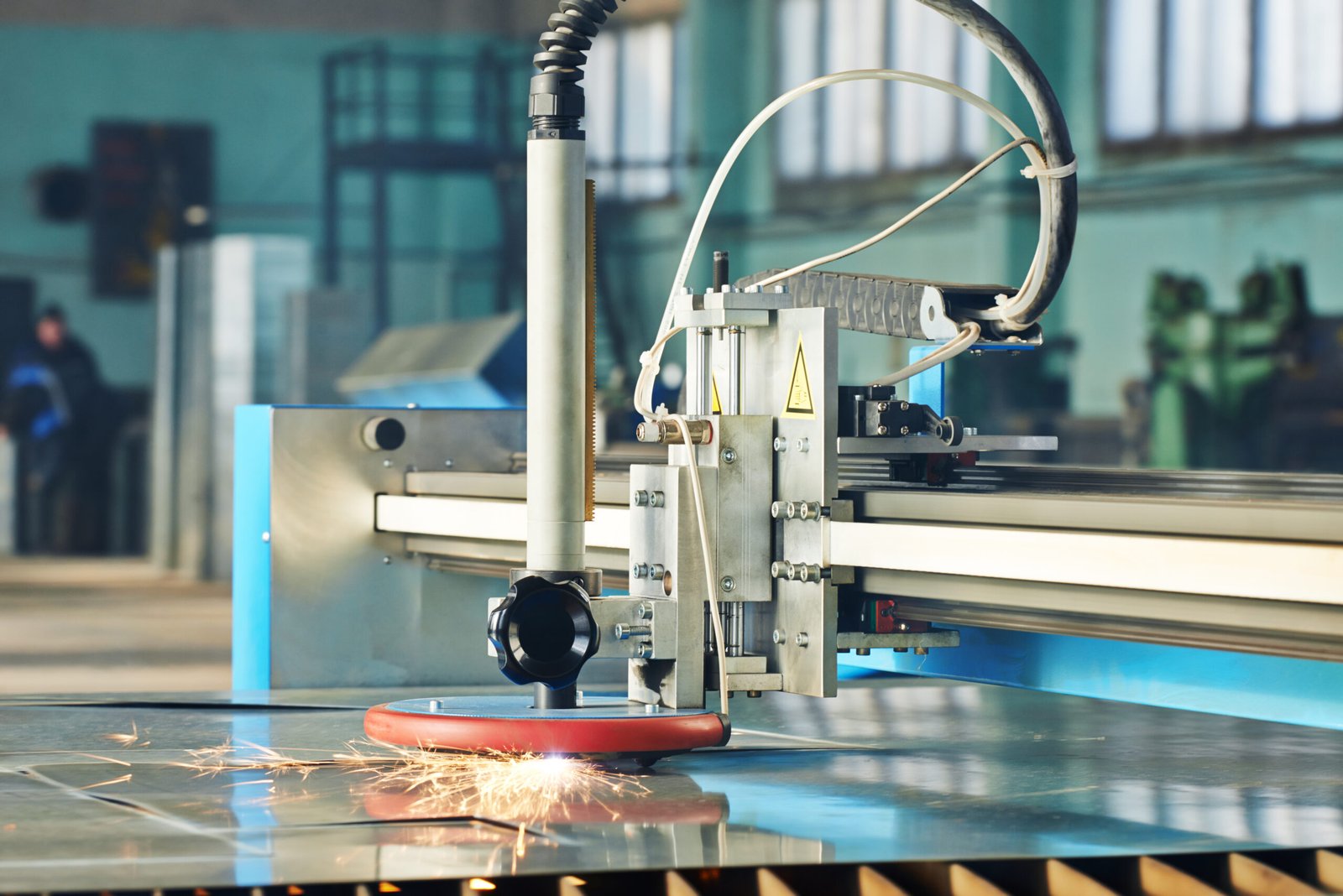
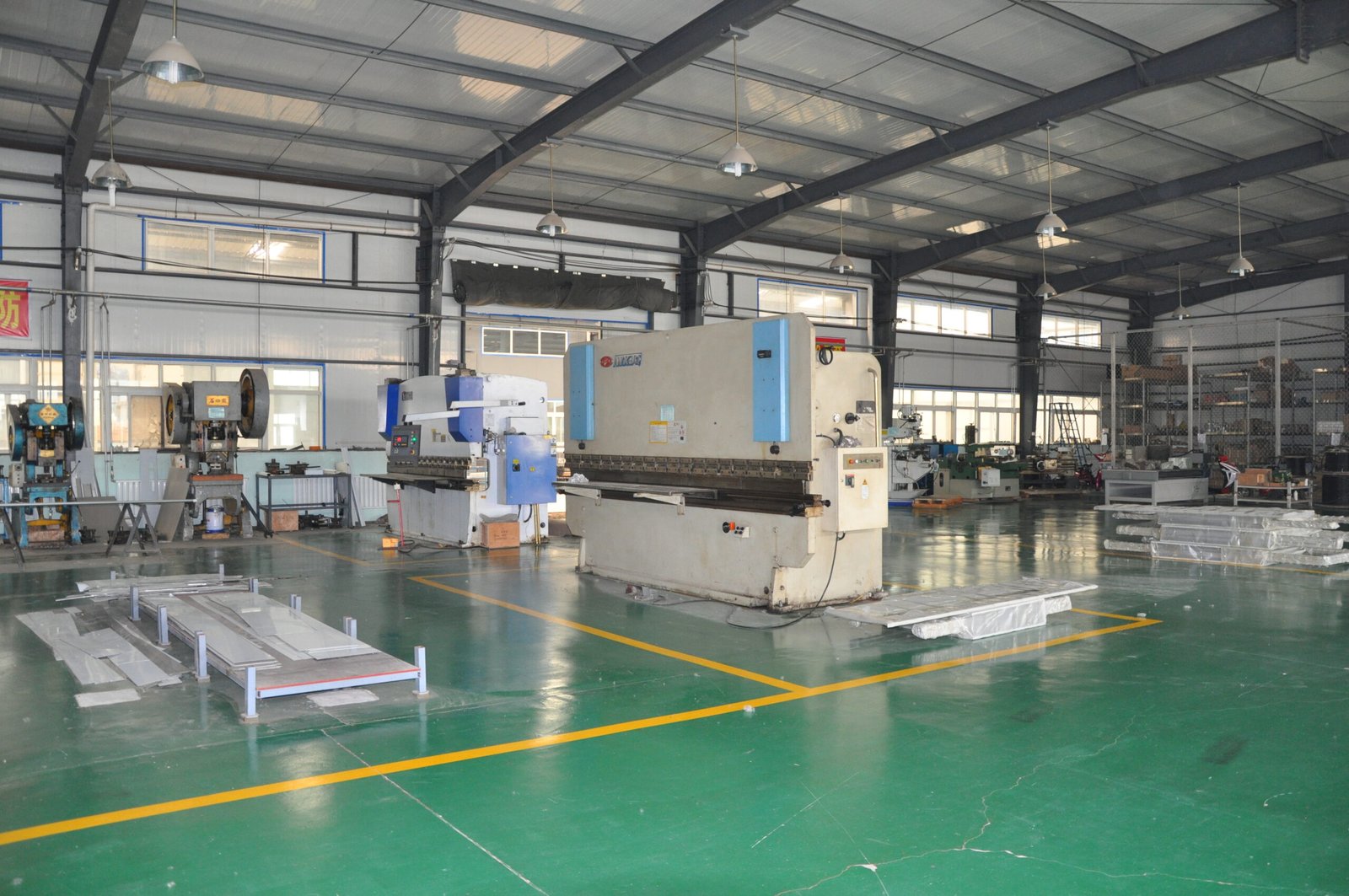
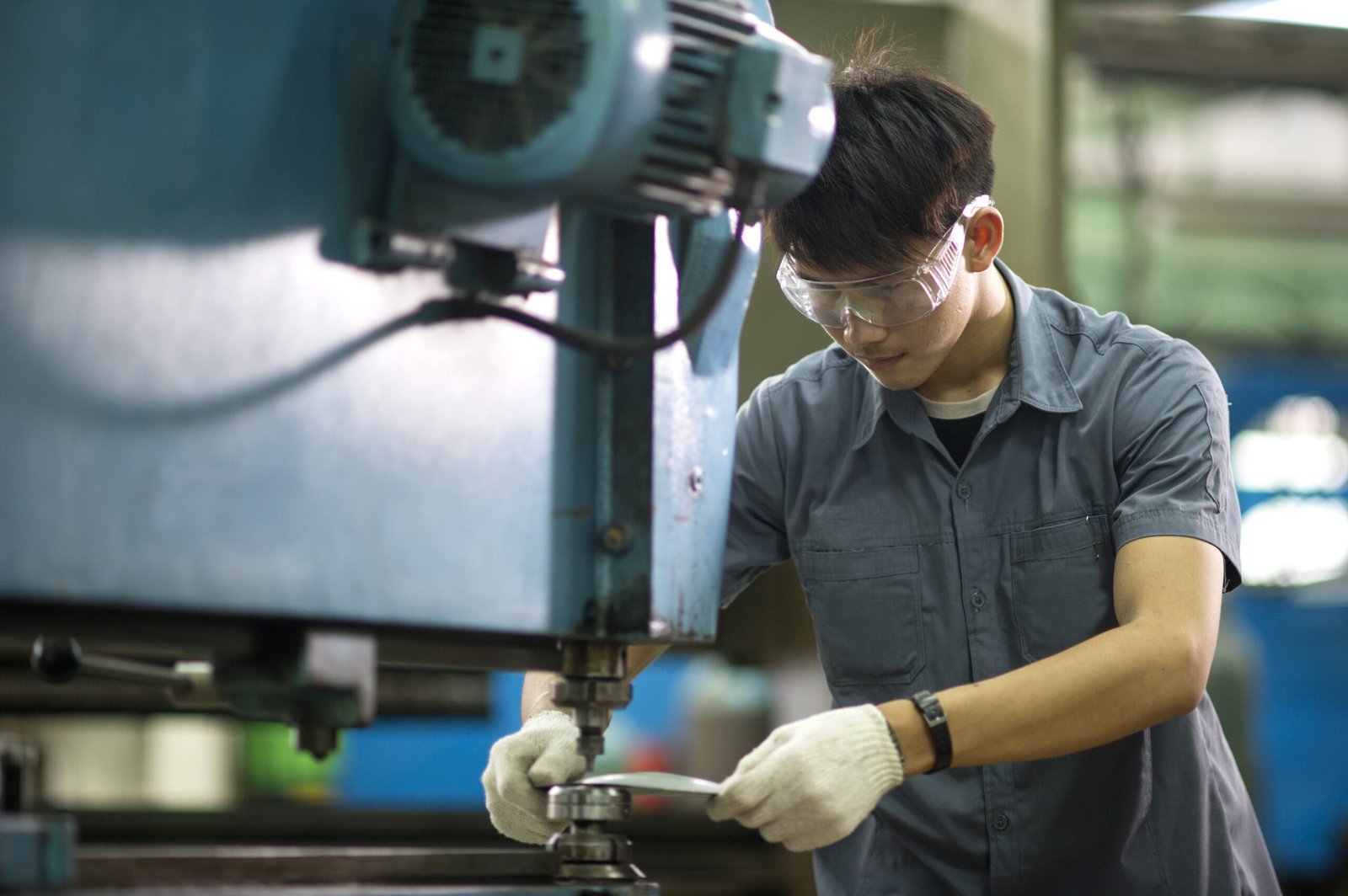
JAFITA workshop · Laser cutting on the production floor
01 · Manufacturing Facilities
Manufacturing Knowledge Behind the Supply Solution
JAFITA’s manufacturing foundation was built around freight elevator production and OEM cooperation. Today that experience supports complete elevators, escalators and components for domestic and international customers.
02 · Built on Freight Elevator Manufacturing
Where Our Manufacturing Experience Started
Freight elevators are not simply passenger elevators with a higher rated load.
Their operating conditions can involve pallets, carts, machinery, concentrated floor loads, oversized goods and frequent loading cycles. This places greater emphasis on the relationship between:
- Rated load and car dimensions
- Car frame and platform structure
- Floor loading
- Door opening and door construction
- Loading direction
- Guide system
- Traction and drive configuration
- Control system
- Safety components
- Daily operating frequency
Working with freight elevators gave our team practical experience in areas that directly affect equipment performance: structural strength, car and car-frame design, door systems, load conditions, component coordination and manufacturing consistency.
Experience in this segment gave JAFITA a practical understanding of how individual specifications affect the complete elevator system. That knowledge remains part of how we evaluate projects today — even when the required equipment is a passenger elevator, hospital elevator, home elevator or another product category.
03 · From One Manufacturing Strength to Multiple Product Resources
Different Products Require Different Manufacturing Expertise
The elevator industry covers a wide range of equipment. A factory specializing in freight elevators may have very different manufacturing strengths from one focused on passenger elevators, home elevators or escalators.
JAFITA’s development has therefore not been based on forcing every requirement into one production platform. As our business developed, this manufacturing foundation expanded into a broader supply network covering different elevator categories and specialized production resources.
Years of OEM cooperation and factory relationships have enabled us to work with broader manufacturing resources and different product technologies. For customers, this means the manufacturing resource can be selected according to the actual product and project requirement.
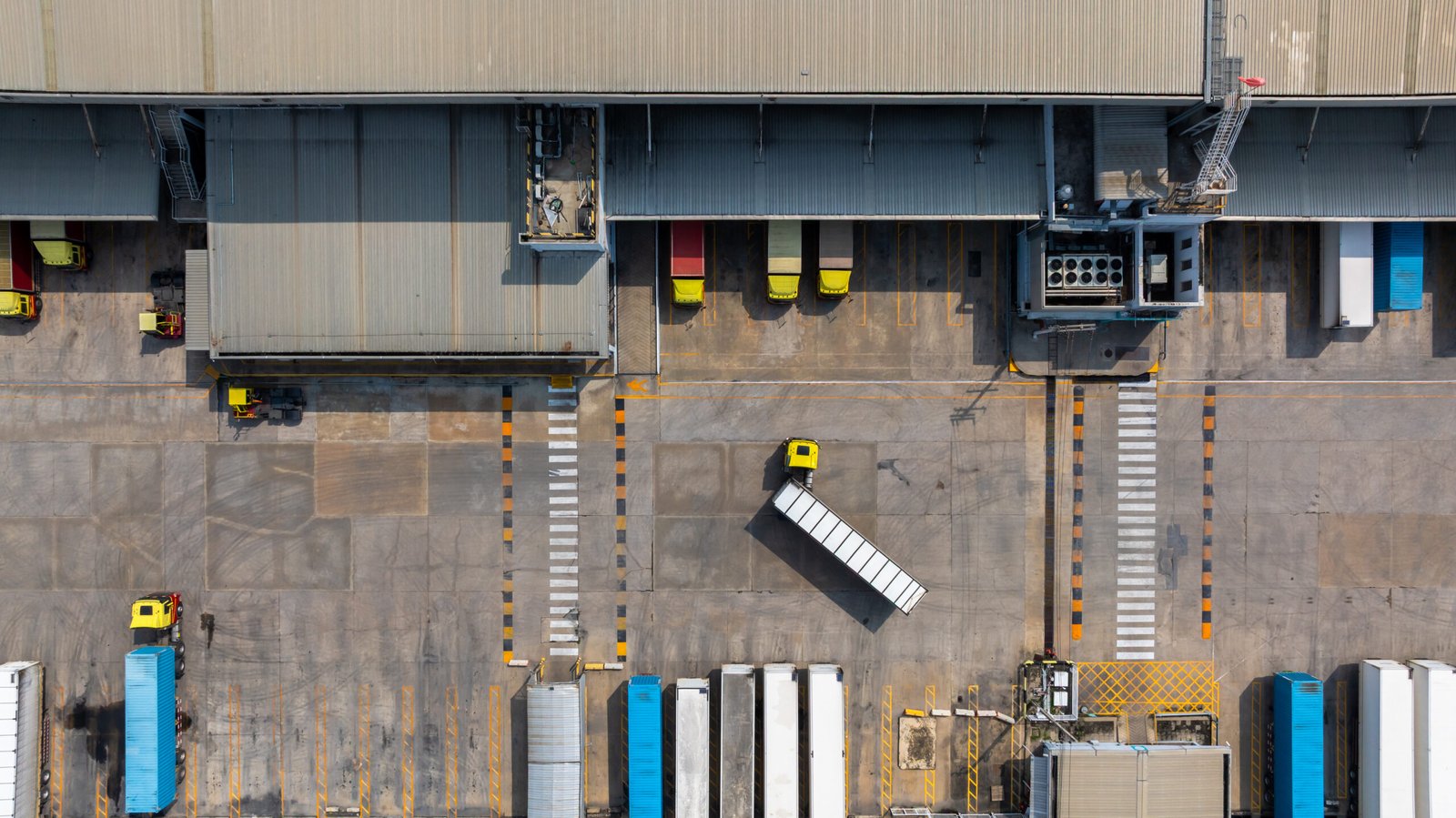
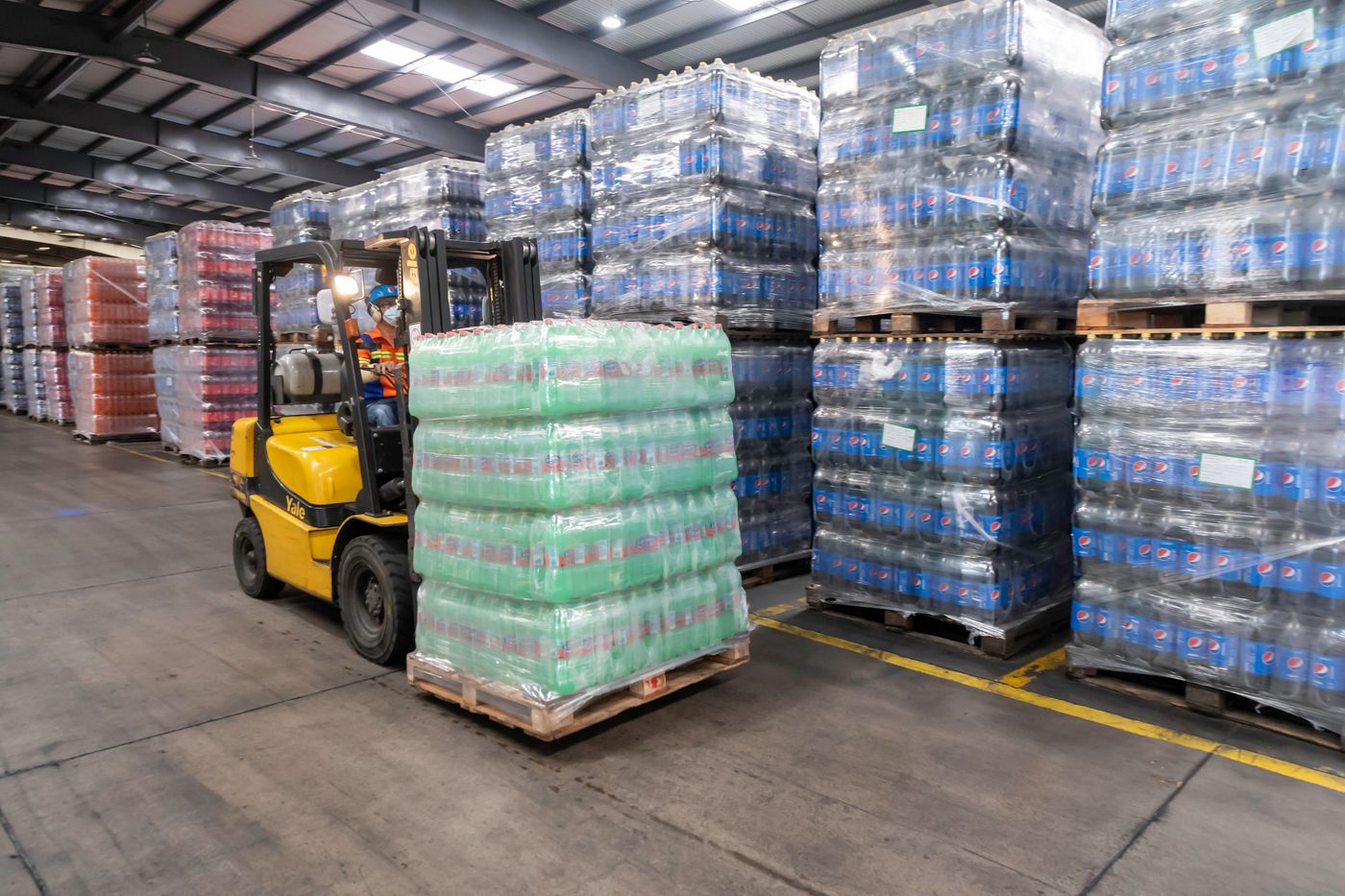
Freight & Heavy-Duty Applications
A strong emphasis on structural performance, loading conditions and durable operation.

Passenger Elevators
Greater focus on traffic performance, ride quality, door operation, control functions and architectural integration.
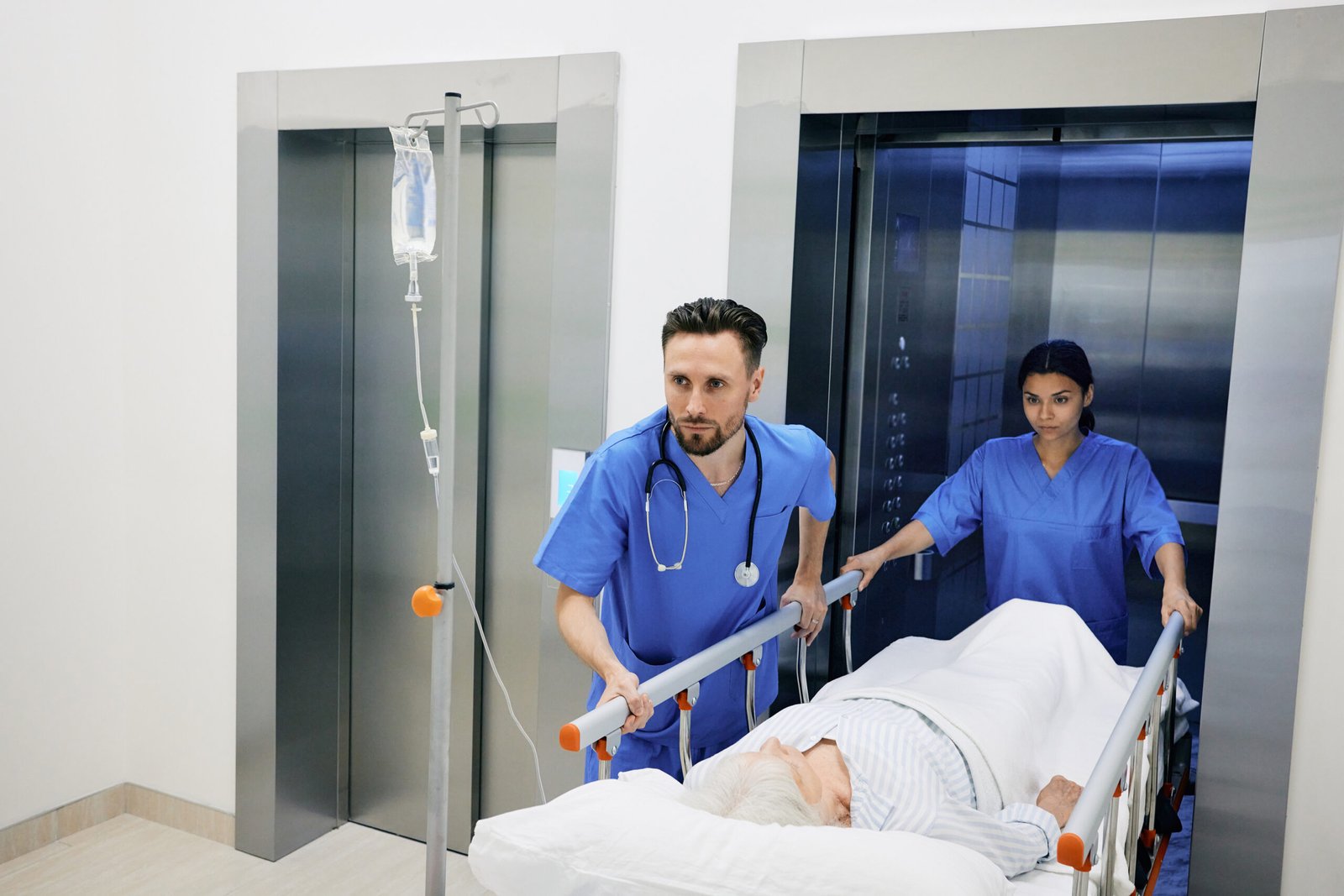
Hospital Elevators
Configuration around bed transportation, entrance dimensions, leveling performance and operational requirements.
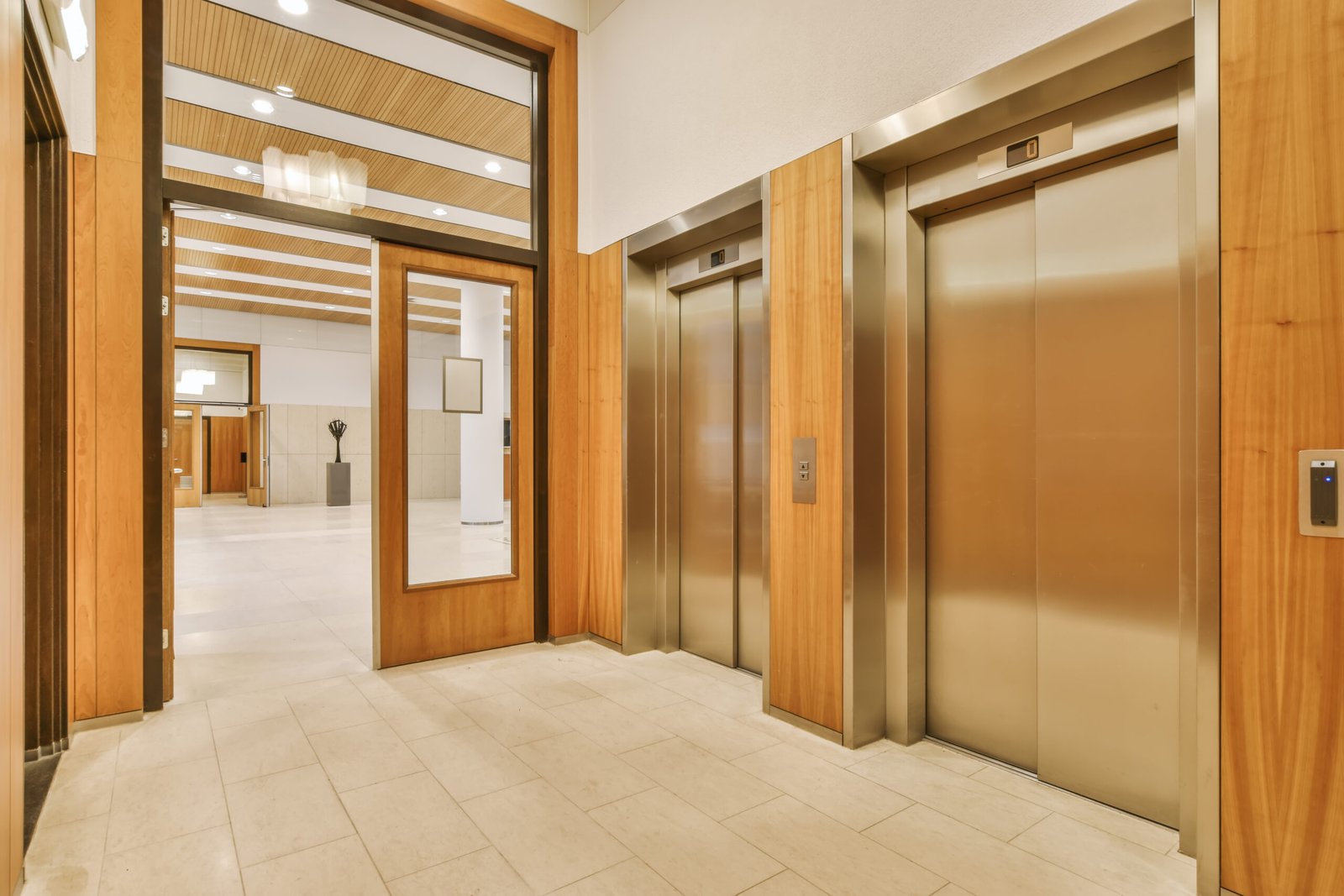
Home Elevators
Greater sensitivity to shaft space, pit and overhead limitations, appearance and residential use.
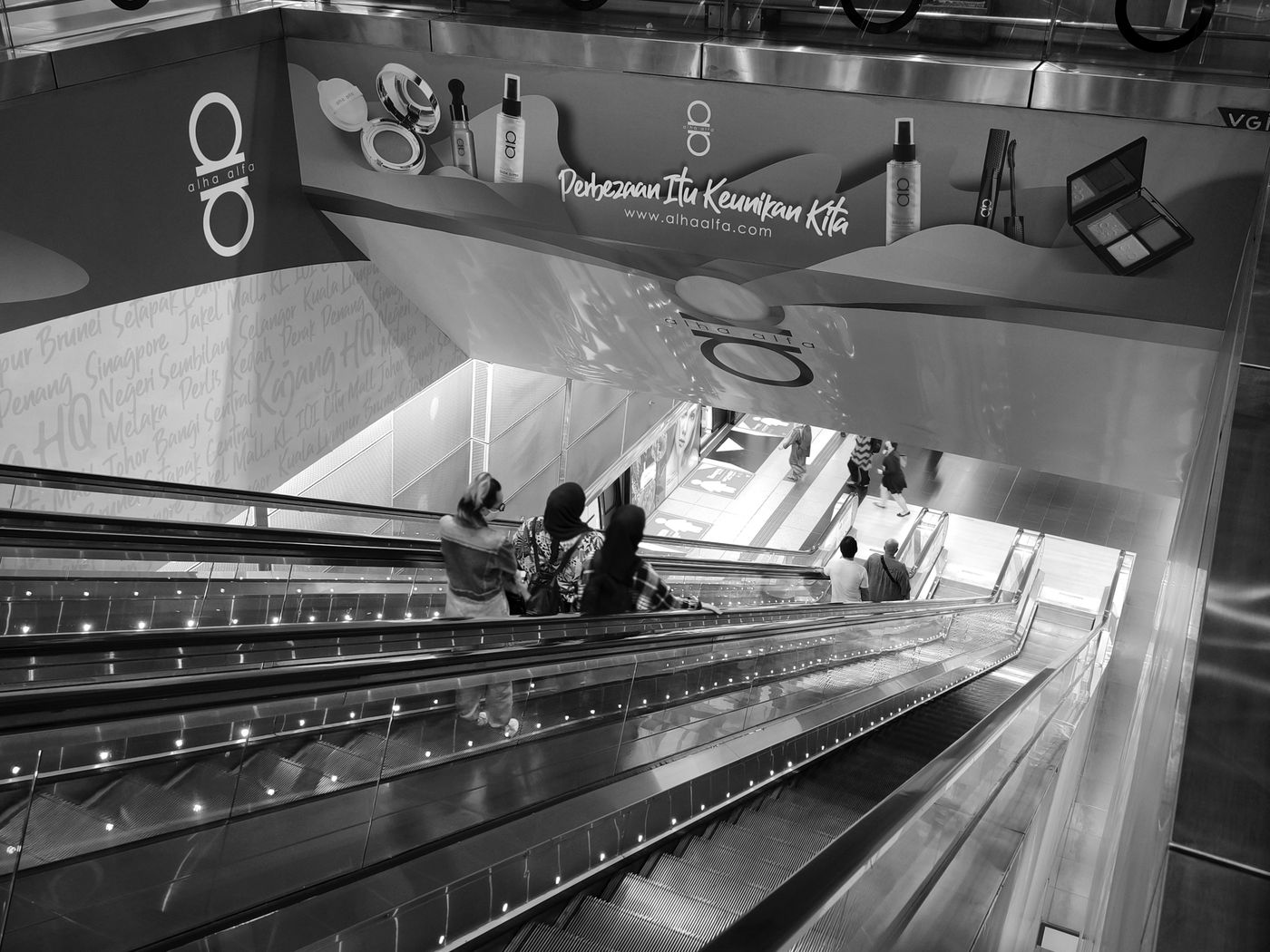
Escalators & Moving Walks
Specialized manufacturing around truss structures, drive systems, step or pallet systems and continuous passenger operation.
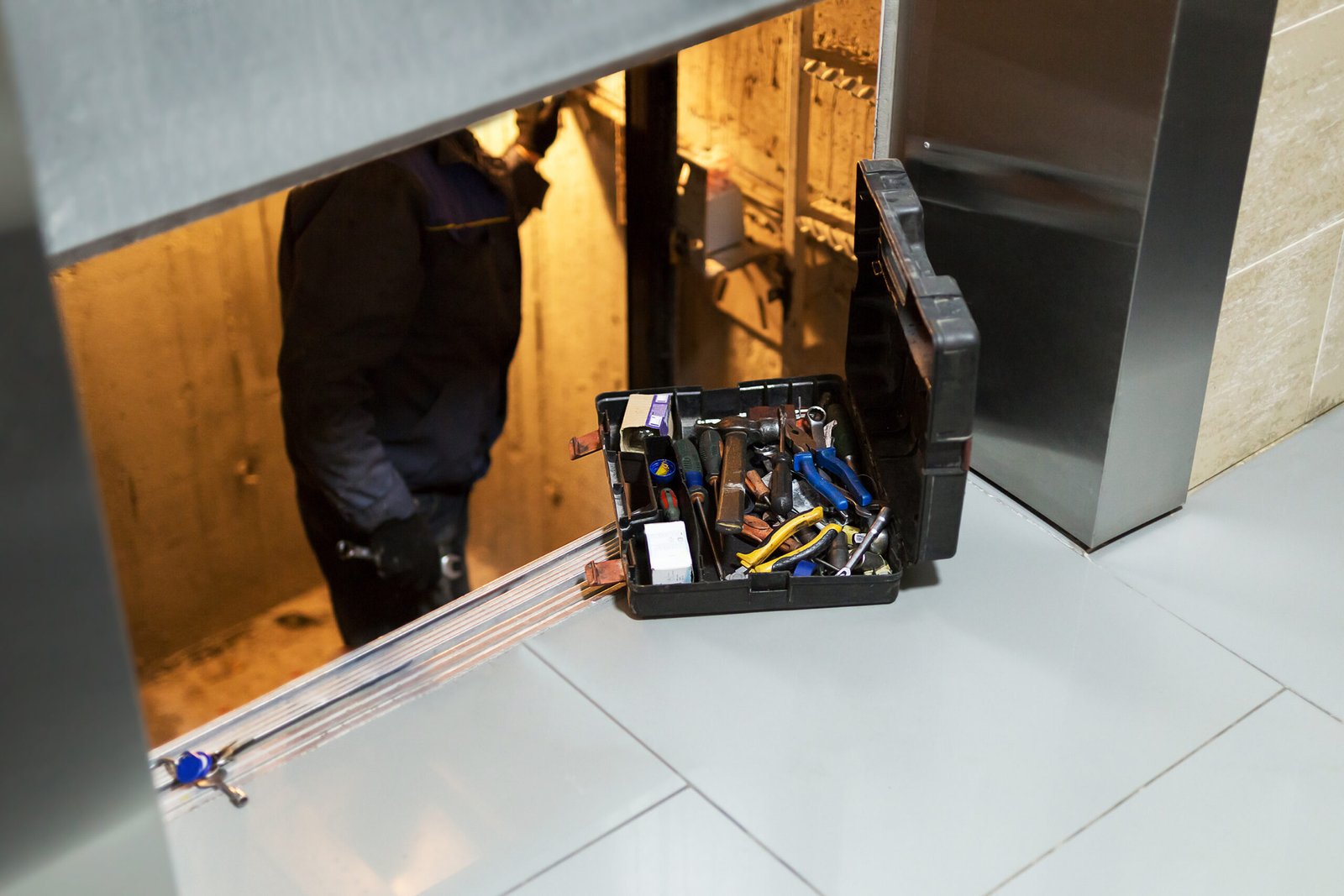
Elevator Components
Selection according to model, technical specification, system interface and compatibility.
04 · How We Coordinate Manufacturing
Technical Confirmation Comes Before Production
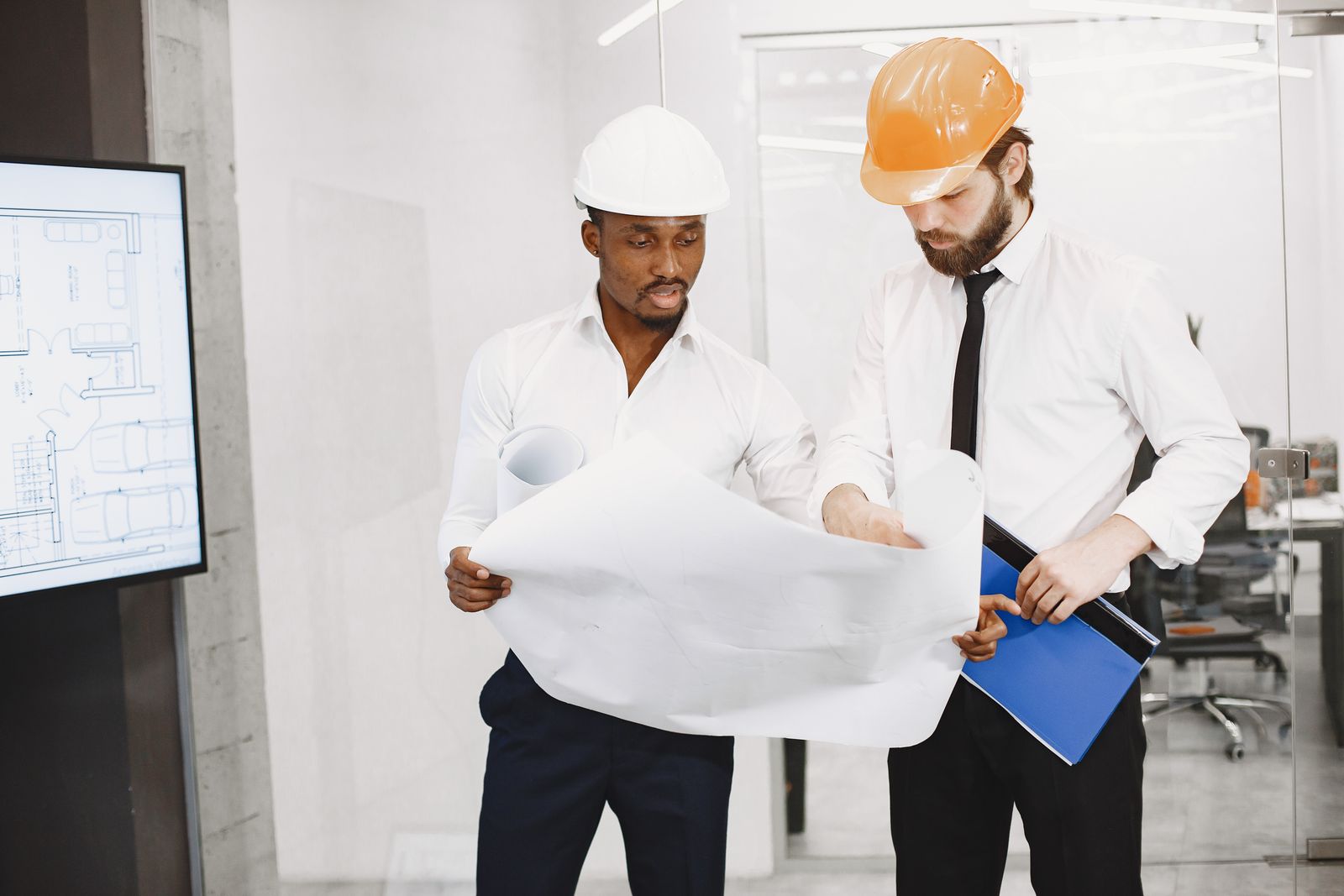
A successful elevator order depends on what happens before manufacturing begins. Project information is translated into a clear technical specification before any configuration is released.
- 01
Project Requirement Review
We review the application, destination market and available building information.
- 02
Key Parameter Confirmation
Rated load, rated speed, travel height, stops, entrances and operating conditions are clarified.
- 03
Hoistway Coordination
Where applicable, shaft width and depth, pit, overhead, door openings and machine-space conditions are reviewed.
- 04
Product Configuration
Drive system, door system, control functions, cabin configuration, finishes and other project-specific options are confirmed.
- 05
Technical Documentation
Relevant drawings and specifications are coordinated according to the approved solution.
- 06
Manufacturing Coordination
The confirmed configuration becomes the basis for production and component preparation.
- 07
Pre-Delivery Confirmation
Equipment scope, documentation, packaging and delivery requirements are checked against the order.
This process helps reduce one of the most common risks in elevator procurement: a product being commercially confirmed before the technical interfaces are fully understood.
05 · OEM Manufacturing Experience
Manufacturing to Another Company’s Specification Requires Discipline
OEM cooperation is different from selling a standard product under your own catalog.
The manufacturer must work to an agreed specification, maintain consistency between batches and coordinate technical information with another elevator company. JAFITA’s long-term OEM experience has required attention to:
- Technical specifications
- Product configuration
- Component selection
- Manufacturing consistency
- Documentation
- Branding requirements
- Production coordination
- Repeat-order control
Our company materials record OEM cooperation with internationally recognized elevator companies and note that this experience contributed to the continuous improvement of internal management and supply-chain coordination.
That experience also supports our current work with distributors, elevator companies and customers requiring customized or private-label supply.
06 · Manufacturing Around the Specification
The Drawing Is Only One Part of the Product Definition
Two elevators serving the same number of floors can require completely different equipment. Before manufacturing, specifications may need to define:
Performance
- Rated load
- Rated speed
- Travel
- Number of stops
- Duty requirements
Building Interface
- Hoistway dimensions
- Pit
- Overhead
- Entrance position
- Door opening
Mechanical Configuration
- Drive arrangement
- Roping configuration
- Door system
- Car structure
- Guide system
Electrical Configuration
- Power supply
- Controller
- Drive
- Communication interfaces
- Operating functions
Appearance
- Cabin material
- Ceiling
- Flooring
- Car door
- Landing door
- COP and LOP
- Display
- Handrails
Destination Requirements
- Applicable standard
- Voltage and frequency
- Documentation
- Packaging
- Shipping requirements
The more clearly these interfaces are confirmed before production, the lower the risk of unnecessary changes at the installation stage.
07 · Complete Systems and Components
Manufacturing Coordination Does Not Stop at the Elevator Car
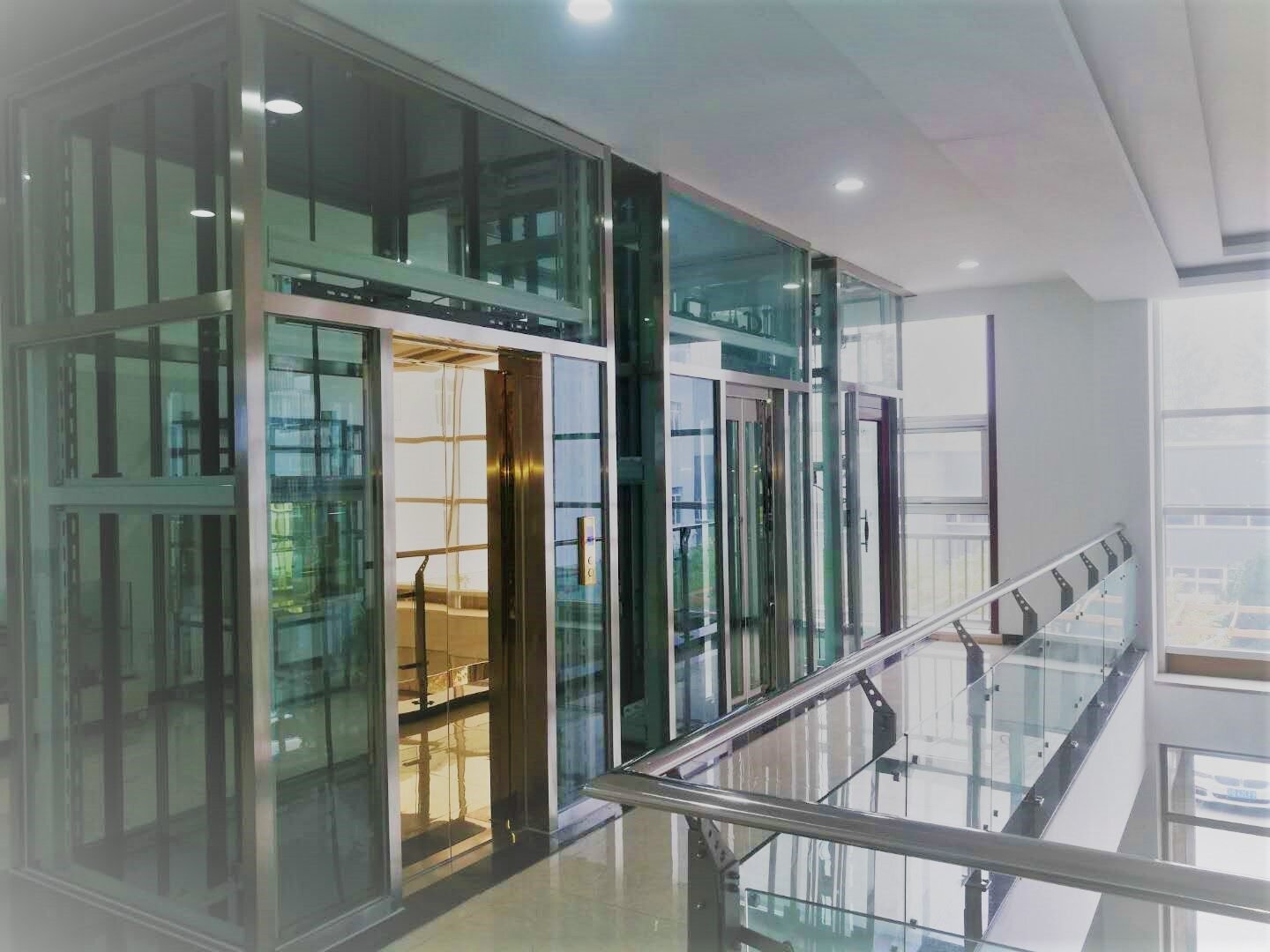
A complete elevator contains many mechanical, electrical and safety-related systems that must work together.
JAFITA supports both complete-system supply and component requirements. Depending on the project, the scope may involve:
- Traction machines
- Control cabinets
- Inverters and drives
- Door operators
- Landing and car doors
- Elevator cabins
- Car frames and counterweights
- Guide rails
- Suspension systems
- COP, LOP and displays
- Safety gears
- Overspeed governors
- Buffers
- Electrical components
- Escalator components
For component enquiries, we match products according to technical information rather than appearance alone.
08 · Quality Starts Before Final Assembly
Preventing Problems Earlier in the Process
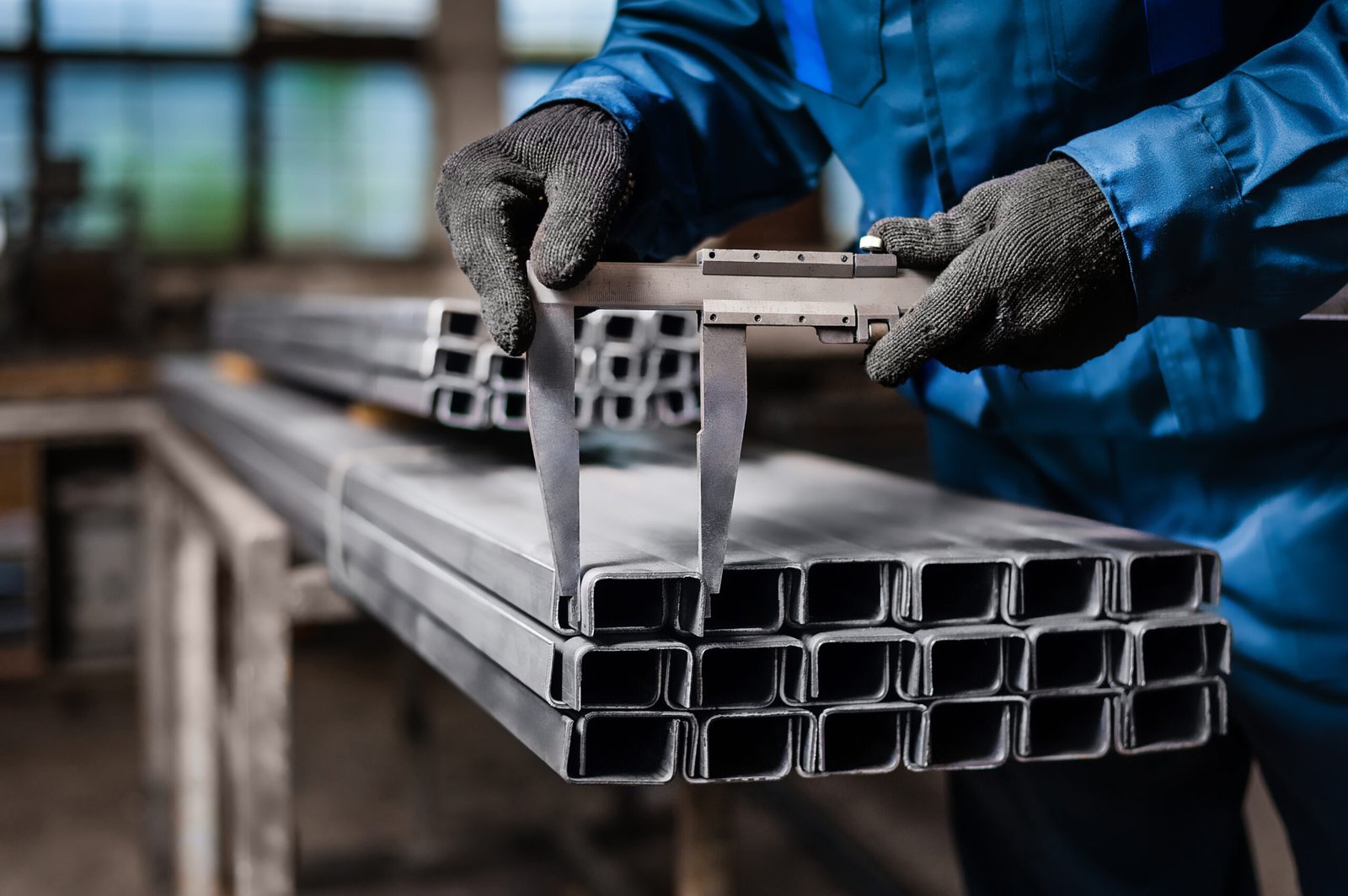
In elevator projects, quality cannot be created only through a final inspection. Many problems originate earlier:
- Incorrect project parameters
- Incomplete shaft information
- Wrong electrical requirements
- Unconfirmed door arrangements
- Component incompatibility
- Changes made after production begins
- Incomplete documentation
Our approach is to move technical confirmation as far forward as possible. A clearer specification creates a clearer basis for manufacturing, inspection and delivery — especially on OEM and international projects where the site may be thousands of kilometers from the factory.

09 · Supporting International Projects
Manufacturing Must Match the Destination Market
Since 2008, JAFITA has been actively involved in elevator export business and has developed a professional international business team.
For overseas projects, manufacturing coordination may need to consider requirements beyond the basic elevator configuration.
These requirements should be identified before production wherever possible rather than treated as shipping-stage details.
- 01Destination-country requirements
- 02Voltage and frequency
- 03Language requirements
- 04Technical documentation
- 05Product identification
- 06Packaging
- 07Container loading
- 08Shipping documents
- 09Installation information
- 10Recommended spare parts
10 · What Buyers Can Confirm Before Order
Make the Manufacturing Scope Clear
For professional procurement, buyers should understand exactly what is included before placing an order.
Depending on the selected equipment and project, the confirmation process can cover:
11 · A Manufacturing Foundation with a Broader Purpose
Three Capabilities, One Supply Perspective
JAFITA’s manufacturing history is important, but manufacturing alone does not define what we do today. Our value comes from combining three capabilities:
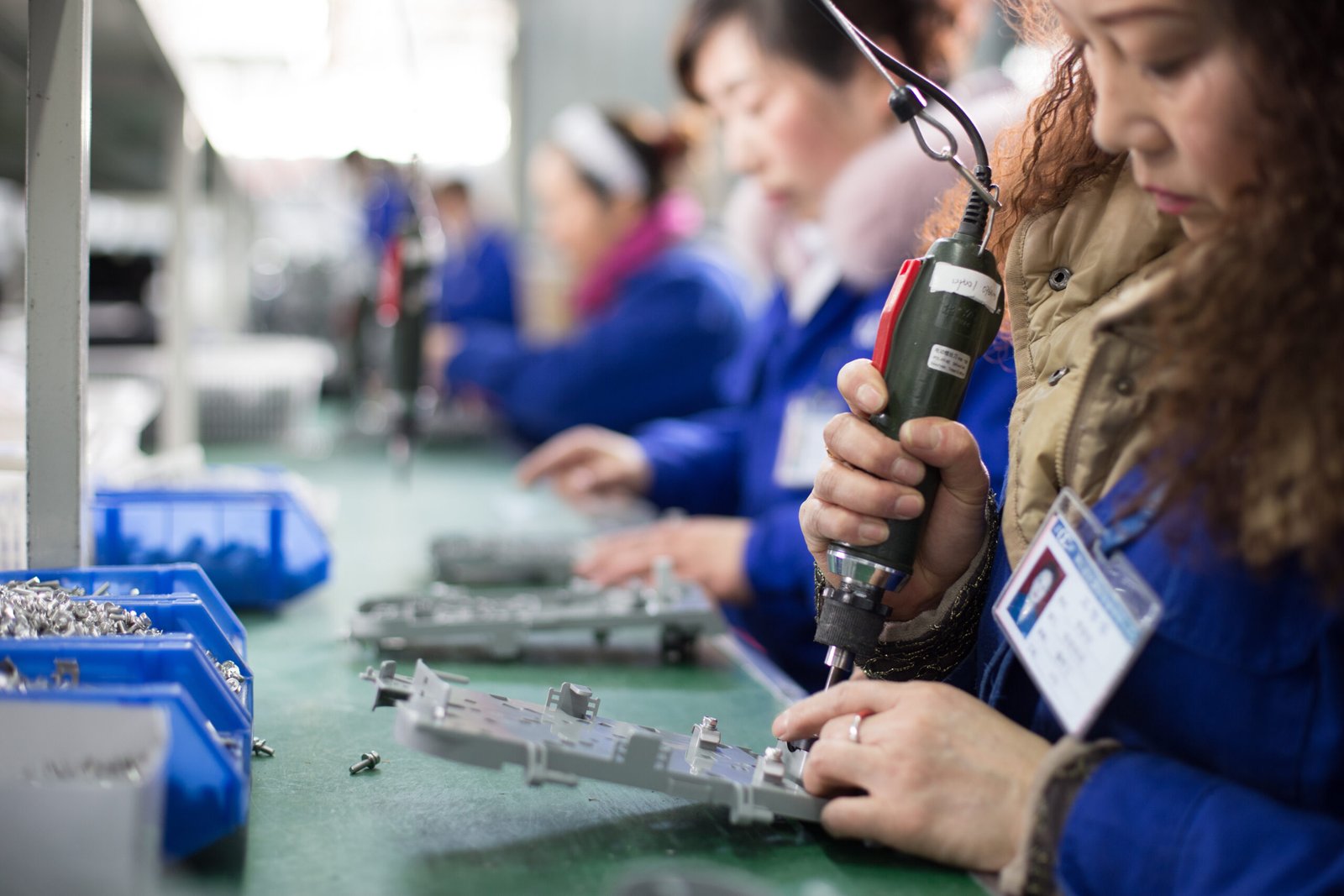
Manufacturing Understanding
Practical experience developed through freight elevator production and OEM cooperation.
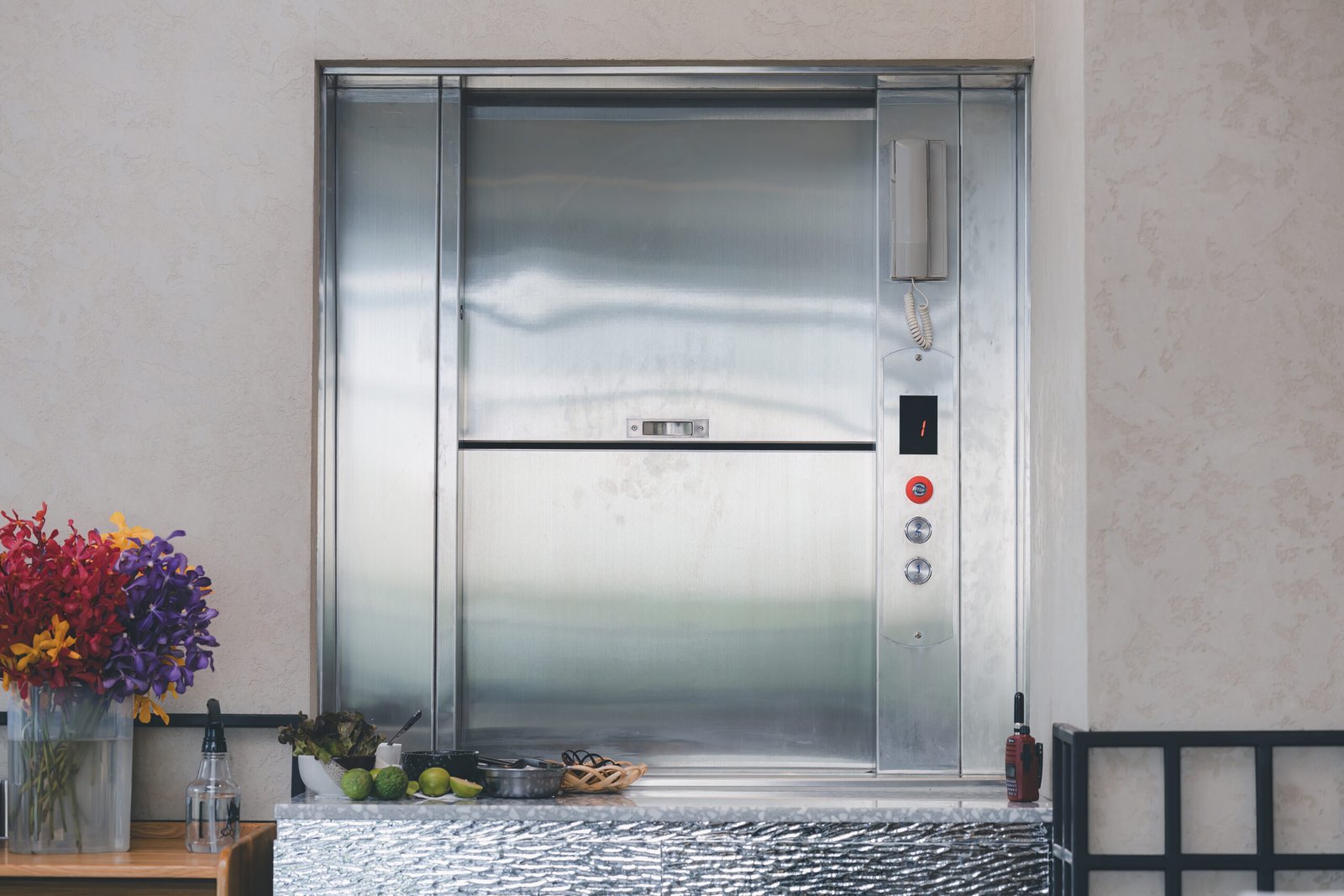
Specialized Supply Resources
Access to different product categories and manufacturing resources according to project needs.
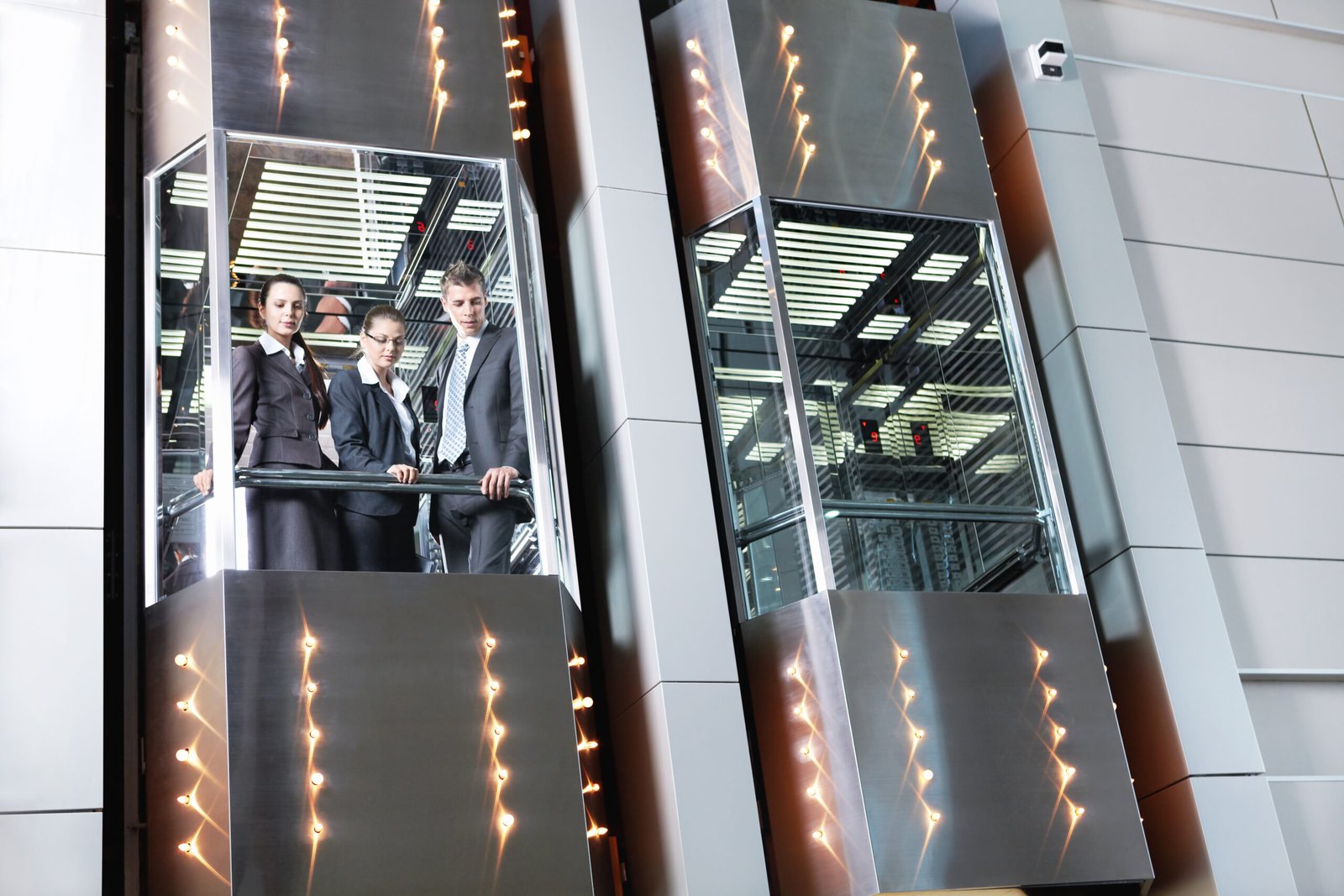
Project Coordination
One team connecting technical requirements, product configuration, manufacturing, documentation and international delivery.
Together, these capabilities allow us to approach elevator supply from a broader perspective: not simply “What can this factory produce?” but “What does this project actually require?”
12 · Discuss Your Manufacturing Requirements
Start With the Application, Not the Catalog
Whether you need a standard elevator, a customized freight elevator, an OEM product, multiple elevator categories or specific components, start by sharing the application and available technical information. Our team will review the requirement and help determine the appropriate product configuration and supply route.