Use this page to decide whether an elevator spare part is an exact replacement, a technically compatible alternative, or evidence that the existing system now requires a wider modernization.
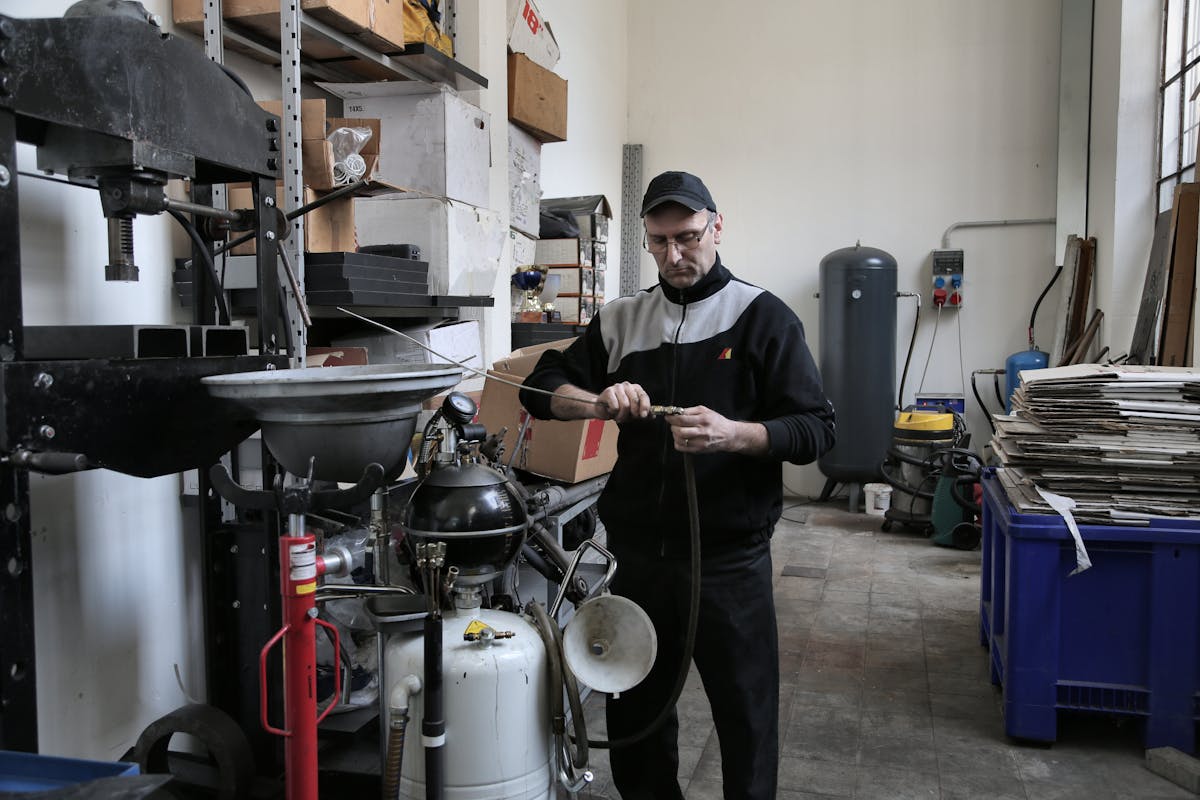
A spare part is only useful when it belongs to the elevator in front of you.
That sounds obvious, but replacement errors often begin with a photograph, an approximate description, and a request such as “Please quote this elevator board,” “We need this door motor,” or “Can you supply the same roller?” The image may identify the component family, but it rarely establishes the complete technical identity.
Two parts can look the same while differing in voltage, revision, connector pinout, communication protocol, mounting, safety function, dimensions, software, gear ratio, load range, material, handedness, or the equipment generation for which they were designed.
The commercial consequence is larger than the price of the incorrect part. A wrong replacement can create additional downtime, return freight, repeated technician visits, new troubleshooting work, and in some cases damage or incompatibility elsewhere in the elevator.
JAFITA’s existing component framework follows the same logic. For Spare Parts, the core identification fields are original equipment identification, part number, nameplate, photographs, quantity, and fault or replacement reason.
JAFITA’s component planning already distinguishes those three routes. An exact replacement is simplest when the same part number, revision, interface, and application remain available. A compatible alternative requires technical review. If substitution also forces changes to connected equipment, the job is moving beyond a single spare part.
Treating symptoms instead of verified root causes multiplies logistics costs and technical risk. Sourcing must reconstruct the interface integrity between mechanical, electrical, firmware, and safety subsystems before executing a replacement.
Exact replacement is the first route when the original part remains available:
An exact replacement is normally the lowest-risk spare-parts route. The goal is to reproduce the approved installed component as closely as possible: Same manufacturer, Same model, Same part number, Same revision, Same voltage, Same mechanical interface, Same electrical interface, Same software or firmware relationship where relevant, Same safety function, Same equipment application.
Even here, one detail should not be overlooked: revision. A manufacturer can retain a product name while changing a board revision, connector, firmware, casting, mounting, or internal component. The replacement may still be backward compatible, but that should be confirmed rather than assumed.
For repeat purchases, the approved replacement model and revision should be preserved in the maintenance or project record. JAFITA’s component framework explicitly recommends retaining the approved replacement model for later purchases and confirming final compatibility against the actual elevator configuration.
A useful spare-parts enquiry should identify the complete installation in layers:
Establishes the system context:
Defines the exact unit:
Captures geometric mounting:
Where applicable, record:
Provide: Nameplate photographs, Full-component photographs, Photographs showing installed location, Connector photographs, Wiring labels, Drawings, Wiring diagrams, Hydraulic diagrams where applicable, Original manual, Original quotation or equipment schedule, Previous replacement record, Fault or alarm history.
A photograph becomes far more useful when it is attached to this evidence package.
An original component may be discontinued, unavailable in the destination market, or commercially impractical to obtain. That does not automatically mean no replacement exists.
A compatible alternative can be evaluated by reconstructing the functions and interfaces that made the original part suitable.
For a mechanical part: Dimensions, Mounting, Shaft, Bore, Load, Speed, Movement, Material, Adjacent components, Lubrication, Environmental exposure.
For an electrical part: Voltage, Current, Signal, Contacts, Connector, Pinout, Communication, Board revision, Software, Controller logic.
For a safety-related part: Safety function, Approved operating range, Mechanical interface, Electrical interface, Associated devices, Applicable verification or certification.
For a door component: Door type, Panel movement, Clear opening, Motor, Operator geometry, controller interface, sensors, landing-door relationship.
For suspension components: Rope or belt type, Construction, Diameter or section, Sheave or pulley interface, Terminations, Reeving.
The more interfaces that change, the less the job resembles a spare-part replacement.
JAFITA’s existing Parts & Components architecture explicitly states that a compatible alternative requires technical review because mounting, electrical connections, feedback devices, communication, programming, or certification can change.
Obsolescence is not only a purchasing problem. It can reveal that the elevator’s original architecture has reached a point where keeping one component alive requires several new interfaces.
Consider an old control board: If the original board is unavailable, a proposed replacement may require New controller hardware, New inverter, New encoder, New COP or LOP boards, New displays, New door interface, New communication wiring, New sensors, Different software, Reprogramming. At that point, sourcing one “alternative board” can create more risk than planning a controlled modernization.
Mechanical cascades: A discontinued door operator may not work with the existing controller, car door, landing-door coupling, sensor system, or available mounting. A replacement traction machine may not match the ropes, sheave, encoder, brake, drive, or machine-support structure. A different safety gear may require a different guide-rail interface or governor relationship.
What is the smallest technically coherent system that can be supported going forward?
This is more useful than insisting that every obsolete part must have a one-for-one replacement.
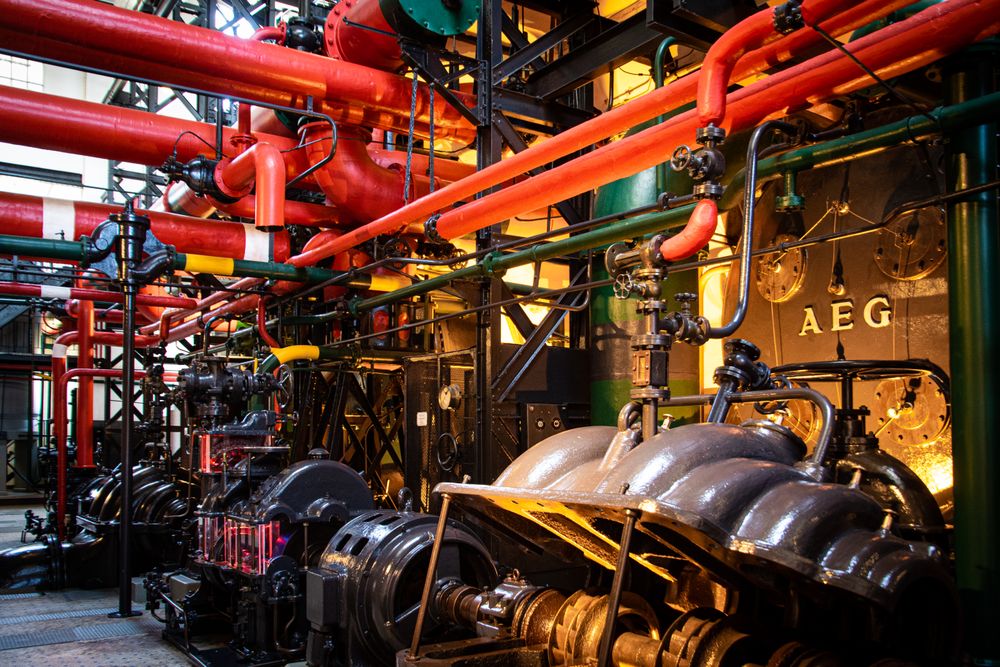
Typical enquiries: Brake components, Brake coils, Brake linings, Encoders, Bearings, Sheaves, Motors, Fans, Sensors, Seals, Electrical terminals, Other machine-specific items.
Provide:
A brake coil should not be matched by voltage alone. An encoder should not be matched by connector alone. A sheave should not be matched by outside diameter alone. If the replacement affects the machine, brake, suspension, encoder, or drive relationship, review the complete traction system.
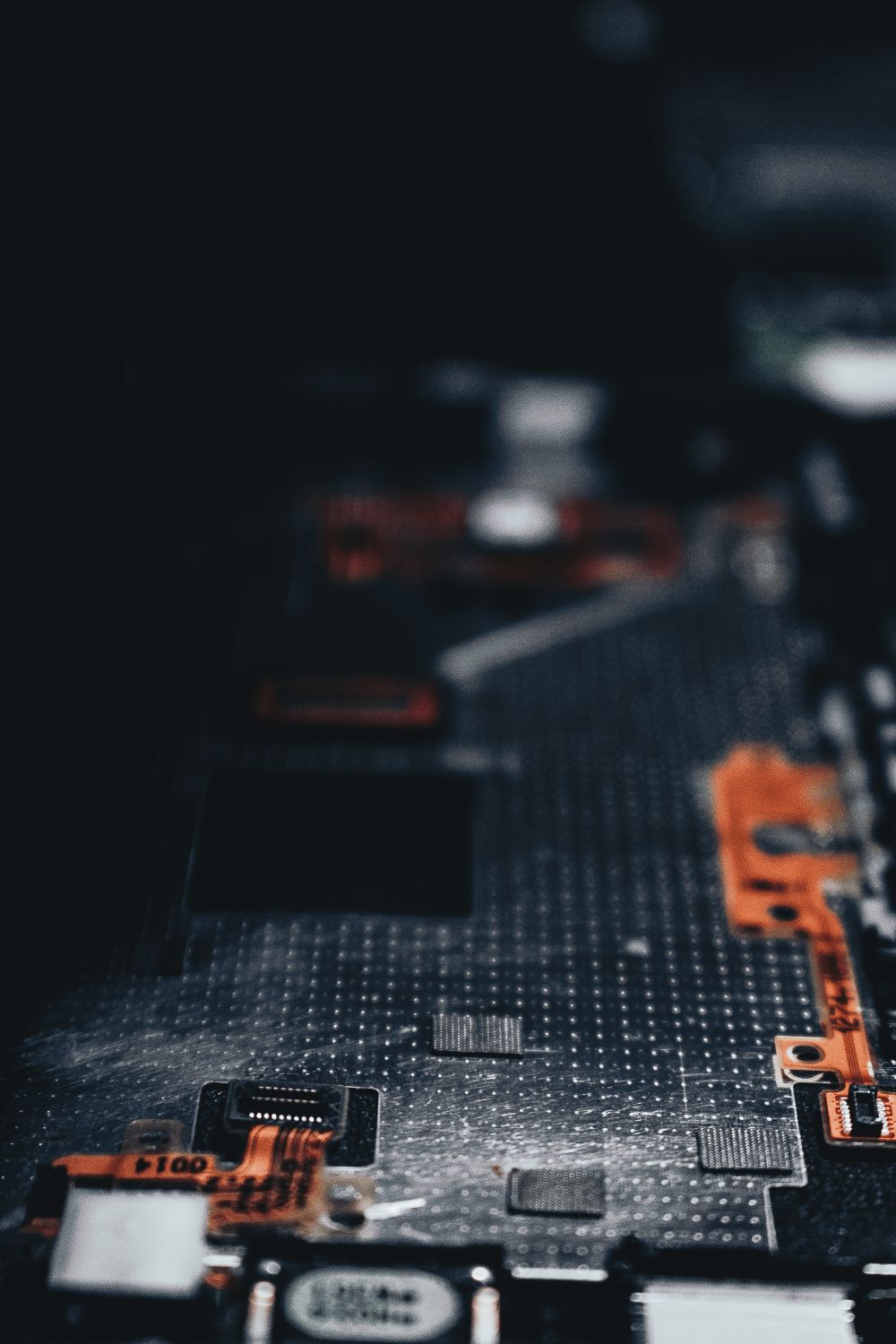
Control-system spare parts can be among the hardest items to identify correctly because compatibility is not always visible.
Typical enquiries: Main controller boards, I/O boards, Communication boards, Power supplies, Relays, Contactors, Transformers, Display boards, Door-control boards, Encoder interface boards, Position-system boards, Sensors, Inspection devices, Traveling-cable interfaces.
For boards, capture:
Do not discard the original board before recording this information. A replacement board with the same family name can require different firmware or communication. A new controller component can also expose compatibility issues with the drive, COP/LOP, displays, doors, encoders, safety chain, or other retained systems.
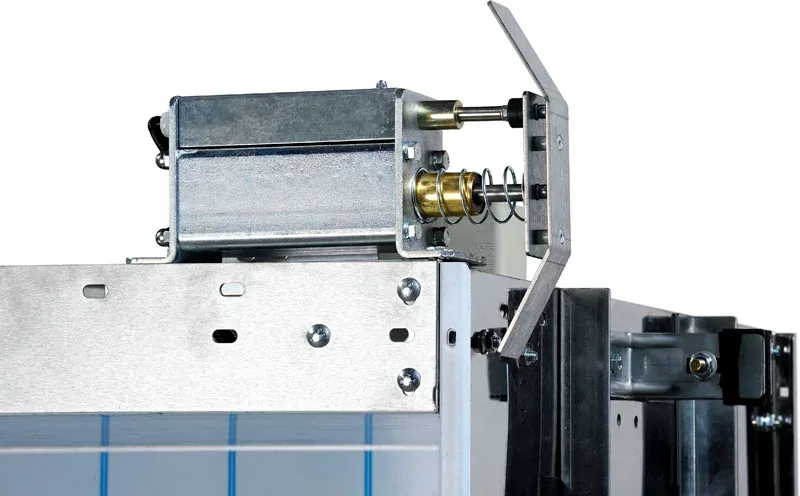
Door parts include: Door operator motors, Door controllers, Belts, Rollers, Hangers, Door shoes, Sills, Couplings, Light curtains, Sensors, Locks, Contacts, Panels, Other door hardware. A door part should be identified by the complete door system, not only the elevator brand.
Provide:
JAFITA’s freight-elevator materials provide specific evidence for a Safety Door Operator and Door Light Curtain, together with one-million-cycle operation verification in the freight door-operator context. Those facts demonstrate actual freight-door-system experience, but they do not establish a universal JAFITA spare-parts range for every door product.
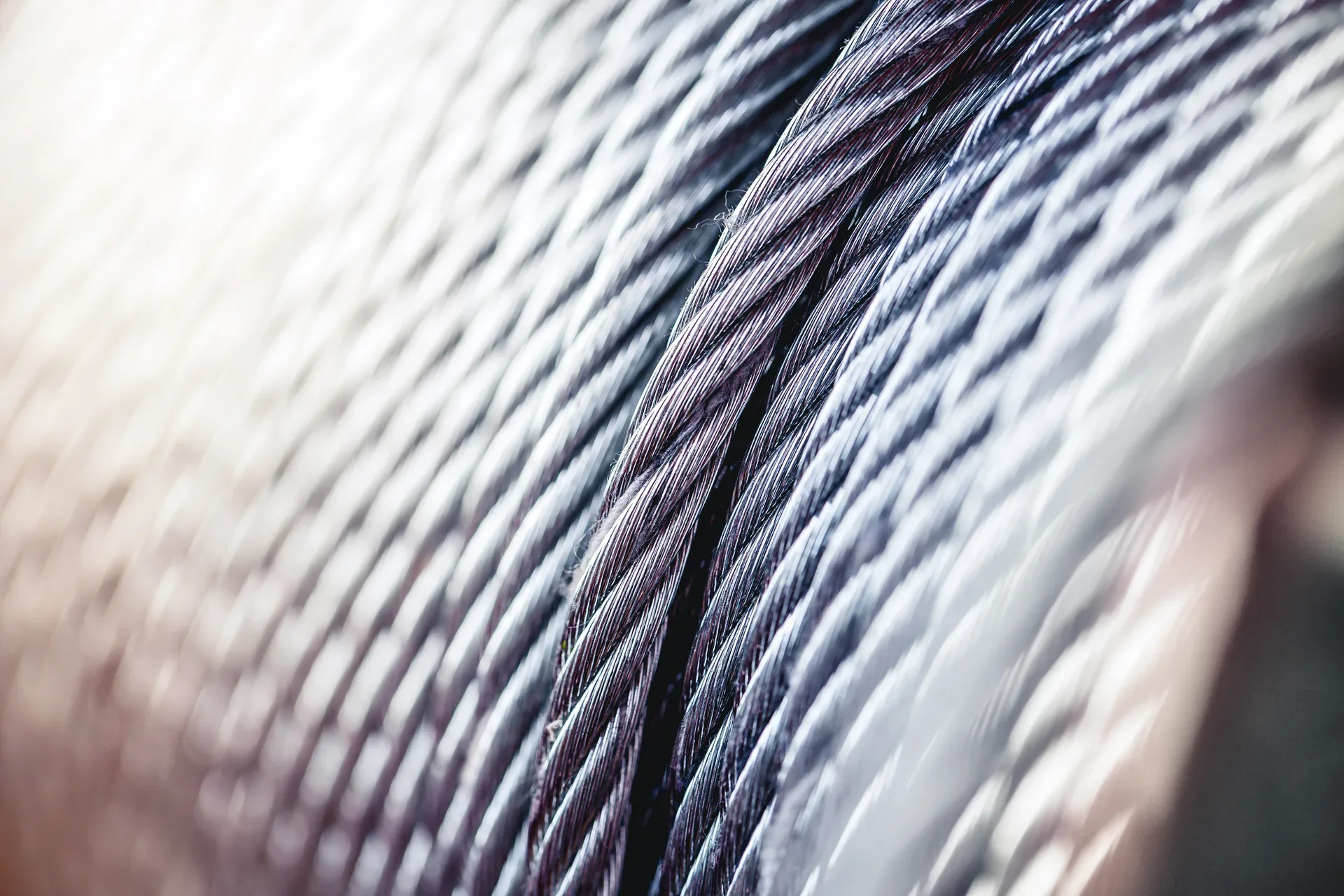
Spare-parts requests can involve: Steel wire ropes, Belts or coated suspension media, Terminations, Rope sockets, Hitch components, Sheaves, Pulleys, Compensation components, Governor ropes.
The replacement should be traced to:
The existing Ropes, Belts & Suspension page already establishes that original drawings and component markings are especially valuable and that photographs alone rarely establish construction, termination, reeving, or traction relationships. For multi-rope or multi-belt systems, do not assume one damaged member can always be replaced individually. The correct replacement scope depends on the complete suspension system and applicable maintenance requirements.
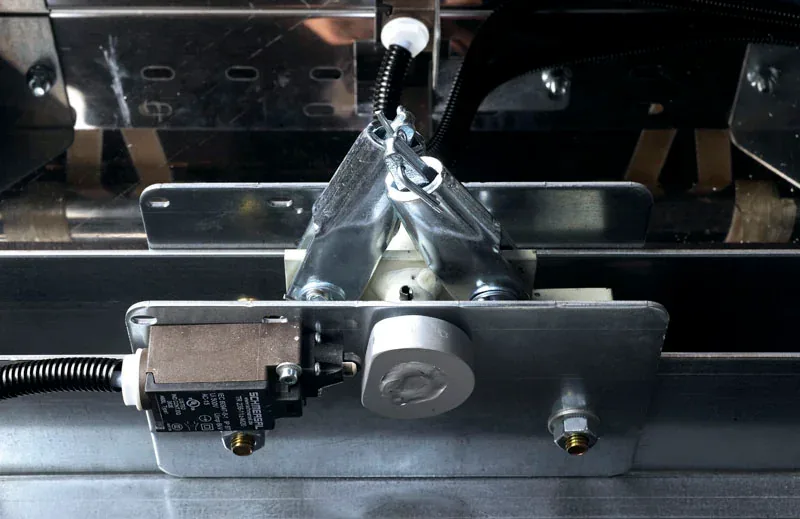
Safety-related components cannot be treated like ordinary consumables. Typical examples: Safety gears, Overspeed governors, Buffers, Door locking devices, Safety circuits, Safety-related electrical devices, Hydraulic rupture valves, Other devices performing defined safety functions.
For these parts, provide:
JAFITA’s current Safety Components page explicitly states that product-level safety claims require exact device documentation and that visually similar parts should not be treated as approved substitutes. Company-level ISO management-system certificates do not replace component-level safety verification.
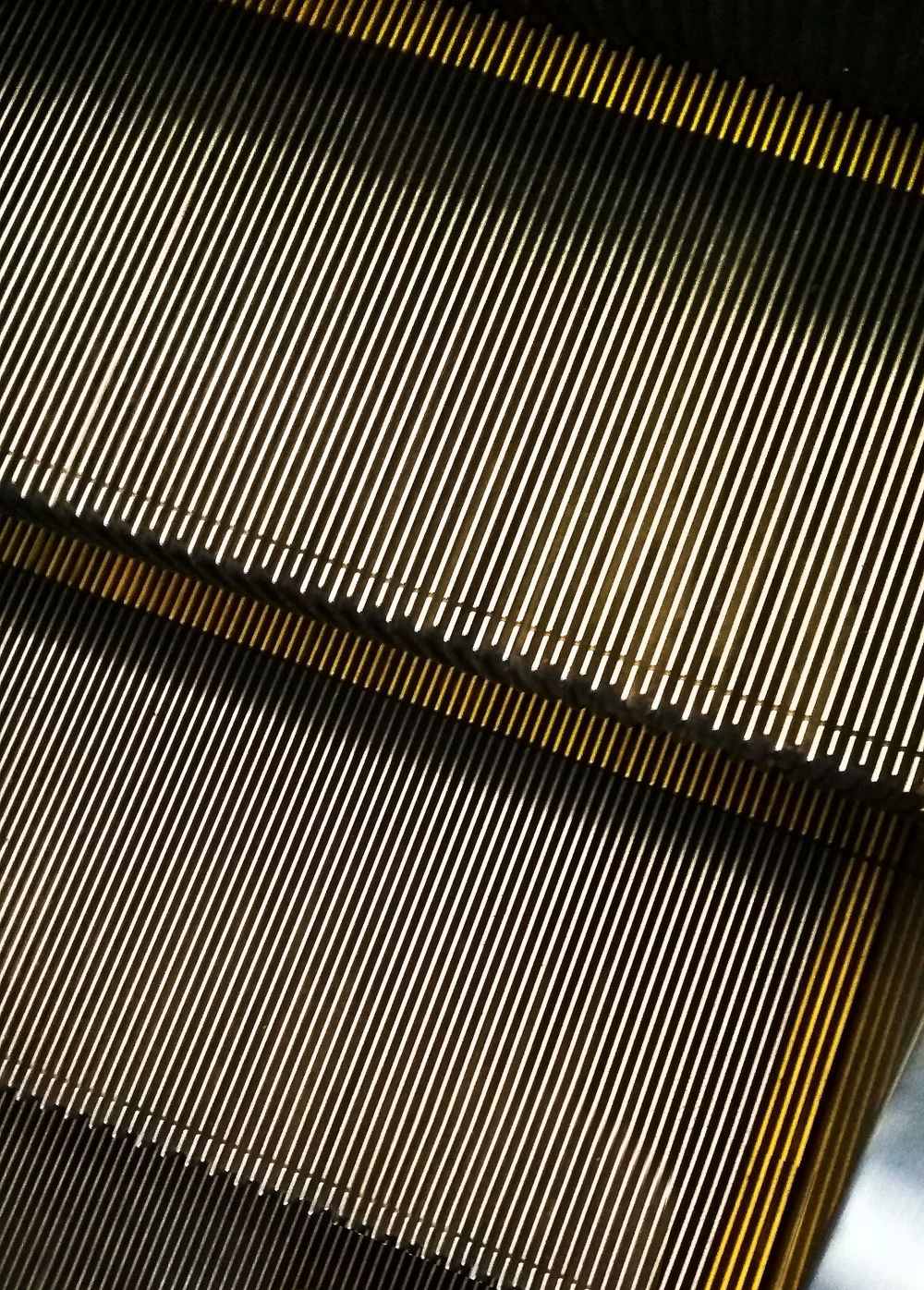
Common escalator spare parts: Steps, Step chains, Rollers, Tracks, Handrails, Handrail rollers, Comb plates, Skirt parts, Drive chains, Sprockets, Motors, Brakes, Sensors, Controller boards.
Identify:
JAFITA’s component architecture explicitly uses escalator model, component location, dimensions, drive/control relationship, duty, and original part number as the identification basis for escalator components. Do not treat a commercial escalator component as automatically equivalent to one used in a rail-transit heavy-load configuration simply because dimensions appear similar.
JAFITA’s strongest documented manufacturing evidence is in freight elevators. That makes freight spare-parts enquiries an area where the company can draw on a clearer manufacturing and OEM background. Current supplier materials identify freight-elevator production as a core company strength, long-term OEM work, a Safety Door Operator, Door Light Curtain, High-strength Structure, and one-million-cycle freight door-operator verification.
The replacement still has to match the actual freight duty. A freight component may have failed because the elevator is being used under conditions different from the original design. In that case, replacing the same part without reviewing the duty can reproduce the failure.
A buyer may ask for “a KONE part,” “a ThyssenKrupp part,” or a component for another known brand. Brand name helps narrow the search, but the project and equipment identity matter more.
JAFITA’s company materials state long-term OEM cooperation with multiple brands and name KONE and ThyssenKrupp in that history. They also describe broader direct factory relationships including Hitachi and XIO LIFT. That supports JAFITA’s coordinated-sourcing background.
It does not mean: Every component from those brands is available; JAFITA is an authorized spare-parts distributor for every brand; Every historical OEM component can still be sourced; One brand name is enough to identify a replacement; Every product under a named brand came through JAFITA.
For a repeat JAFITA project, the original JAFITA project or order reference can be more useful than a generic brand request because it can help reconnect the enquiry with the original configuration record.
A maintenance diagnosis and a purchasing request are not the same thing. A technician may believe a board, sensor, relay, encoder, door motor, or valve has failed. That hypothesis is useful, but the fault history can help determine whether the requested component is actually the root cause.
Provide fault context:
JAFITA’s existing component framework explicitly warns that a maintenance team asking for a controller board because an elevator will not run may be treating the symptom as the failed part, and recommends recording the fault, alarms, previous work, and checks already completed. This does not mean a supplier should remotely diagnose every elevator from an enquiry form. It means the purchasing record should contain enough technical context to prevent obvious misidentification.
The priority is restoring service with the correct approved component as quickly as practical.
The priority is reducing future downtime through predictive provisioning.
The priority is giving the owner or maintenance provider a defined set of parts tied to the delivered equipment.
The list should use actual approved component models rather than generic descriptions.
JAFITA’s current supplier materials do not publish a universal recommended spare-parts list, stock policy, or mandatory handover package. These should be project-specific.
Electronic boards, rubber products, suspension items, finished cabin pieces, bearings, seals, hydraulic parts, and safety components can have different storage needs. General purchasing controls should include: Preserve original labels; Preserve packaging identification; Keep part and project references together; Avoid mixing visually similar revisions; Record receipt date; Record batch or serial information where relevant; Protect sensitive components from inappropriate moisture, heat, contamination, impact, or deformation; Follow manufacturer-specific storage instructions.
JAFITA’s Components Overview already states that spare-parts storage depends on component type and that original identification should be preserved until installation. Do not publish one temperature, humidity, or shelf-life rule across all component categories without actual product documentation.
| Capability | Supplier evidence |
|---|---|
| Spare-parts identification framework | JAFITA’s component architecture identifies original equipment, part number, nameplate, photographs, quantity, and fault/replacement reason as the first fields for Spare Parts. |
| Replacement decision framework | Existing component planning distinguishes exact replacement, compatible alternative, and modernization. |
| Freight manufacturing foundation | Company materials identify freight elevator production as a core strength. |
| Freight product evidence | Current freight materials identify a Safety Door Operator, Door Light Curtain, High-strength Structure, and freight door-operator cycle-verification evidence. |
| OEM background | JAFITA states that it has provided OEM services for multiple elevator brands. |
| Named OEM history | Company introduction names KONE and ThyssenKrupp in long-term OEM cooperation. |
| Factory-resource network | Company materials describe direct factory relationships developed through cooperation, including Hitachi and XIO LIFT. |
| International business | JAFITA has been engaged in elevator export business since 2008. |
| Engineering support | Company brochure presents an Engineering Service Team. |
| Lifecycle support | Company brochure presents lifecycle service support. |
| Company qualifications | Company portfolio presents a Special Equipment Production License and ISO 9001, ISO 14001, and ISO 45001 management-system certifications. |
These facts support spare-parts coordination and technical identification. They do NOT establish: A complete published JAFITA spare-parts catalogue, Universal stock availability, Universal MOQ, Fixed component lead time, Guaranteed availability for all historical brands, Guaranteed backward compatibility, A fixed obsolete-parts support period, A universal recommended-spares package, A fixed warranty for every component, or In-house manufacturing of every spare-parts category.
JAFITA’s existing Components Overview explicitly warns that the website navigation should not imply every listed item is manufactured or stocked by JAFITA.
For the fastest useful technical review, send:
• Part preservation: If the part has already been removed, preserve it until the replacement has been technically confirmed.
• Damaged labels: If the identification label is damaged, do not throw the part away. Photograph the complete assembly, installation position, connectors, mounting, adjacent components, and any remaining markings before taking further measurements.
A good spare-parts record should make the second replacement easier than the first. Keep:
JAFITA’s OEM history is relevant because its own component planning links OEM experience with internal management and supply-chain coordination. For distributor programs and repeat purchasing, the approved model, source where relevant, revision, electrical configuration, mounting dimensions, documentation, and replacement reference should be preserved.
That is the real value of a spare-parts system: not a long list of parts, but an auditable relationship between each replacement and the equipment it belongs to.
Can this spare part be traced to the exact installed elevator, original component, relevant interfaces, approved substitute, and revision history?
