
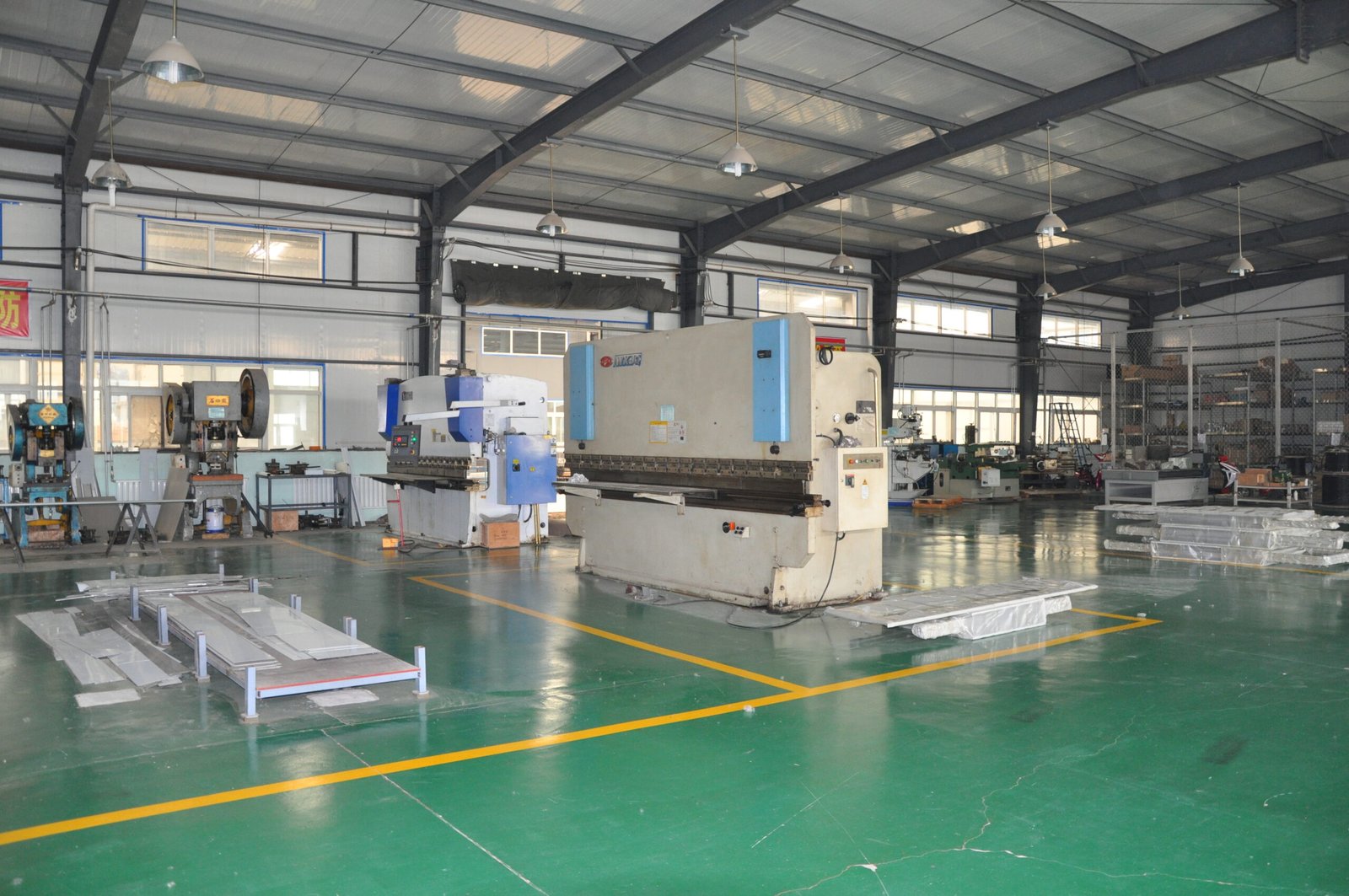
01 · Production Capacity
Capacity Built Around Different Elevator Requirements
For JAFITA, production capability is not defined by one elevator model or one manufacturing line.
02 · A Freight Elevator Manufacturing Foundation
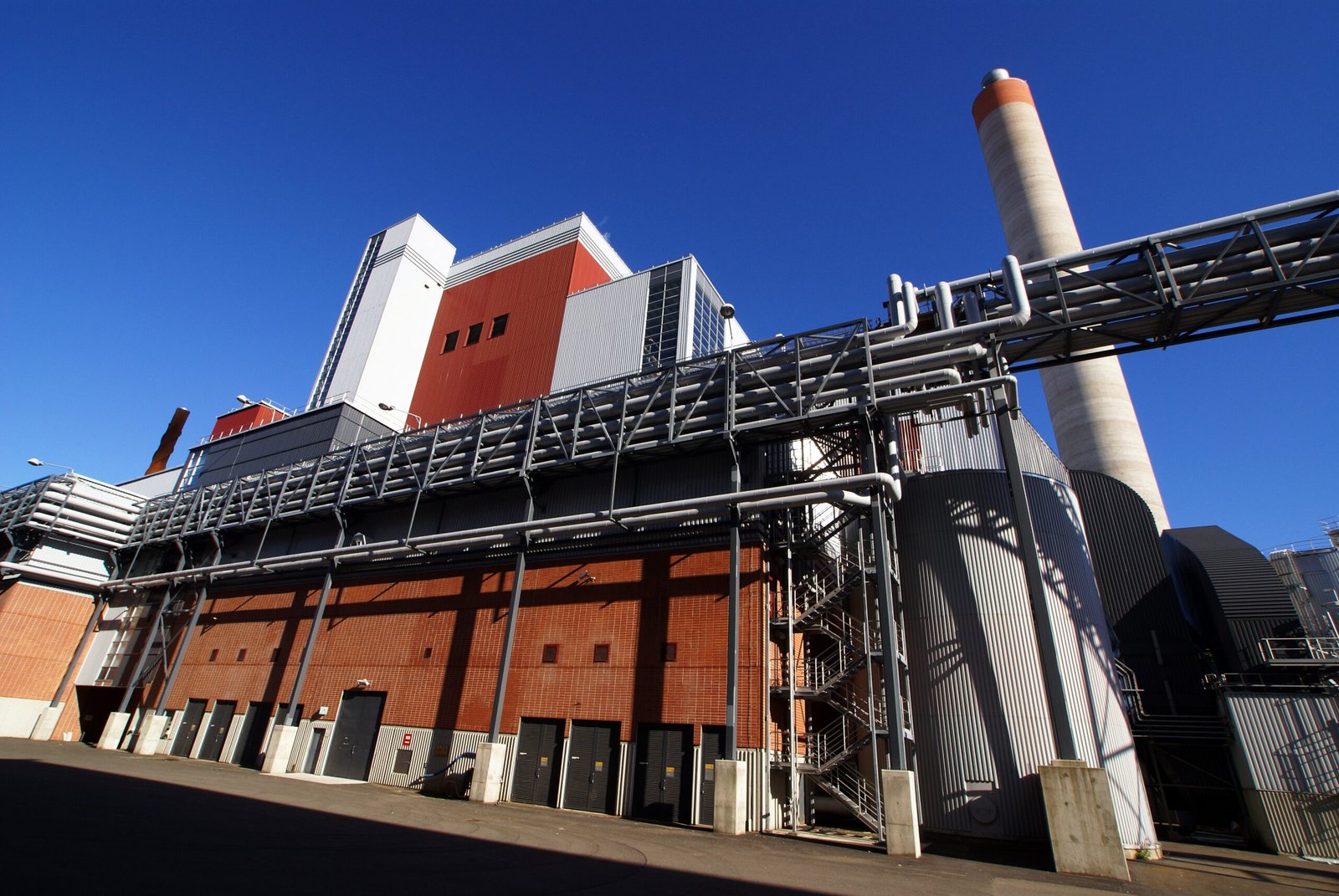
Production Experience Developed Under Demanding Load Conditions
Freight elevators place different demands on manufacturing compared with conventional passenger equipment. The product must often be configured around the load, the goods and the way the car is used.
- 01Rated load
- 02Car dimensions
- 03Loading method
- 04Floor loading
- 05Door width and height
- 06Door construction
- 07Car-frame strength
- 08Operating frequency
- 09Goods dimensions
- 10Site conditions
This manufacturing background gives JAFITA practical experience in coordinating the mechanical structure, drive system, door system, controls and supporting components as one complete elevator system. It is also the technical foundation behind our OEM manufacturing experience.
03 · OEM Production Capability
Producing to an Agreed Specification
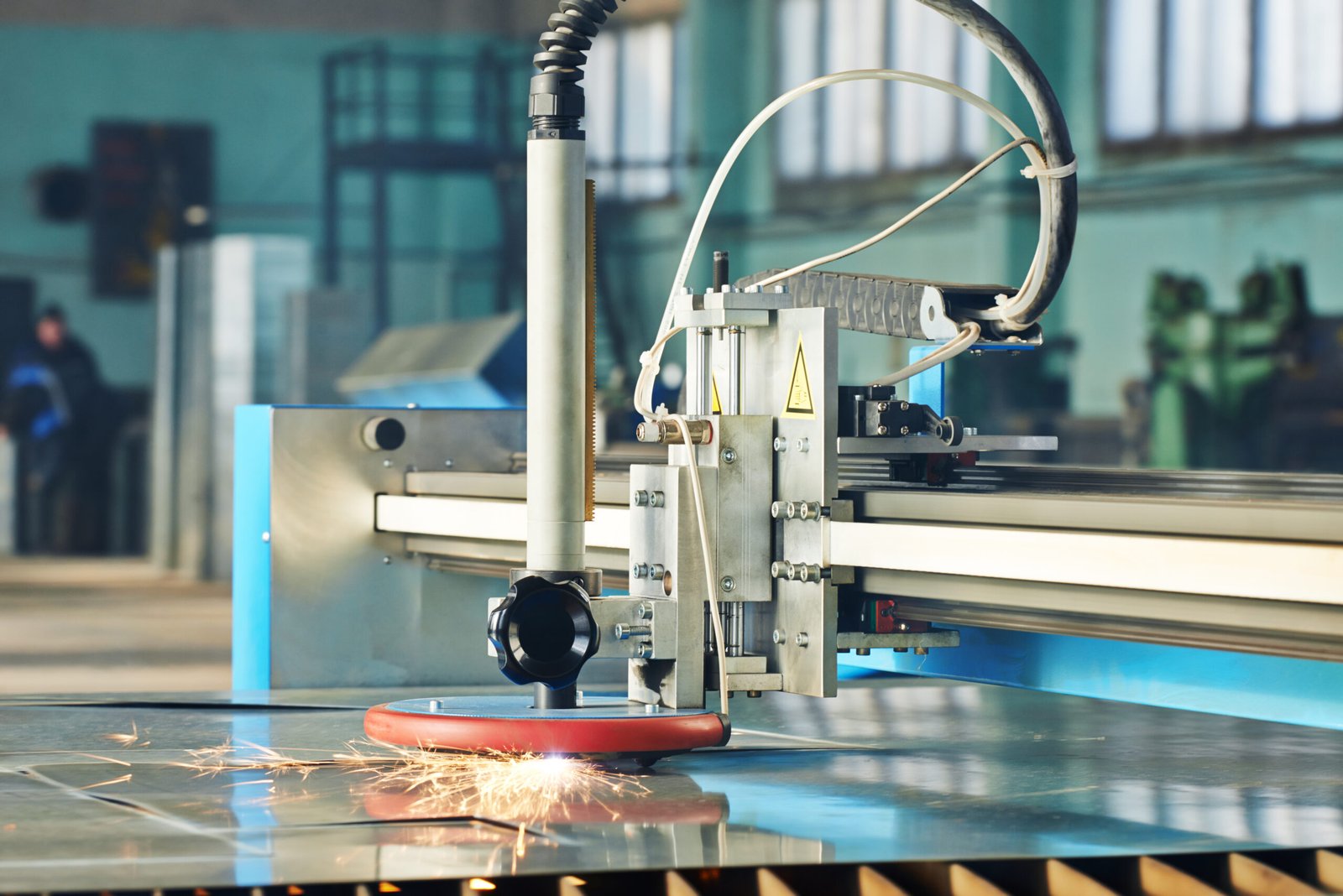
OEM work requires more than supplying a standard elevator. The production process must follow a defined product configuration and maintain consistency across technical specifications, components and documentation.
-
01
Product Specifications
Rated load, speed, car dimensions, entrances and operating requirements.
-
02
Component Configuration
Drive systems, control systems, door systems and other major equipment.
-
03
Customized Requirements
Finishes, branding, product identification and project-specific configurations.
-
04
Documentation
Technical information and supporting documents associated with the agreed product.
-
05
Repeat Production
Maintaining previously confirmed configurations for subsequent cooperation where applicable.
Our company background records OEM cooperation with established elevator brands and notes that these projects contributed to the continuous improvement of internal management and supply-chain coordination.
04 · Capacity Beyond One Product Category
Different Projects Require Different Manufacturing Resources
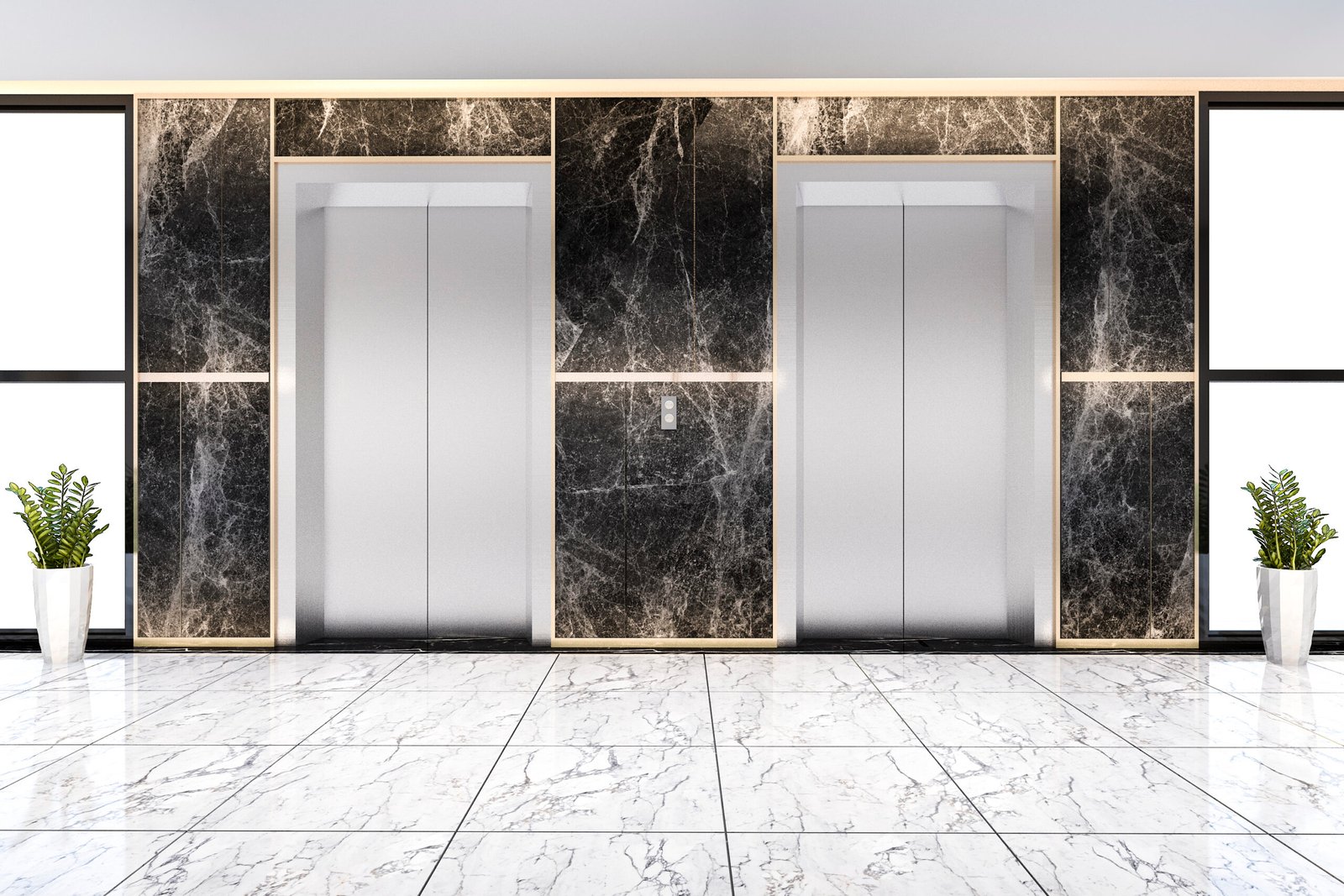
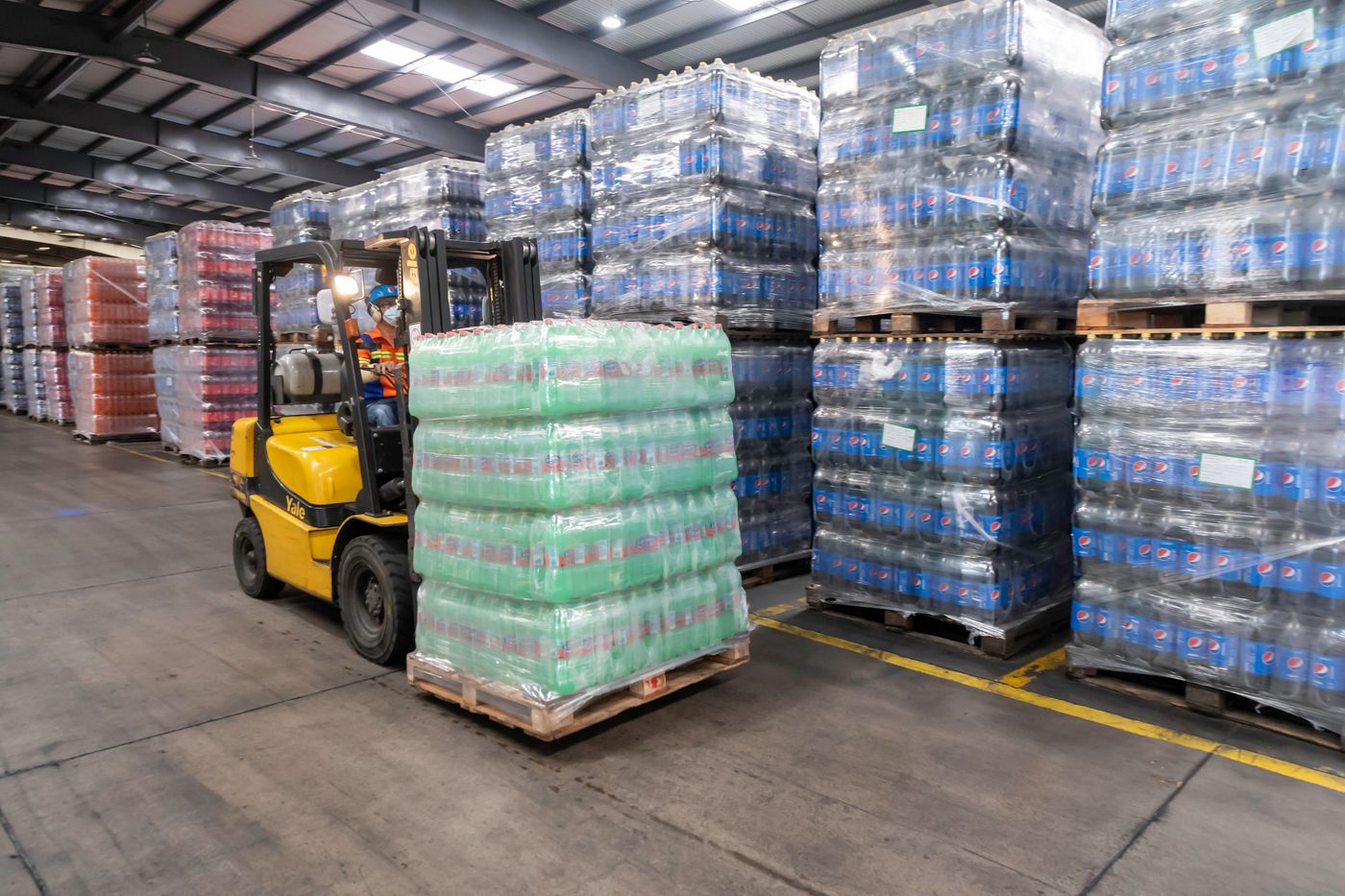
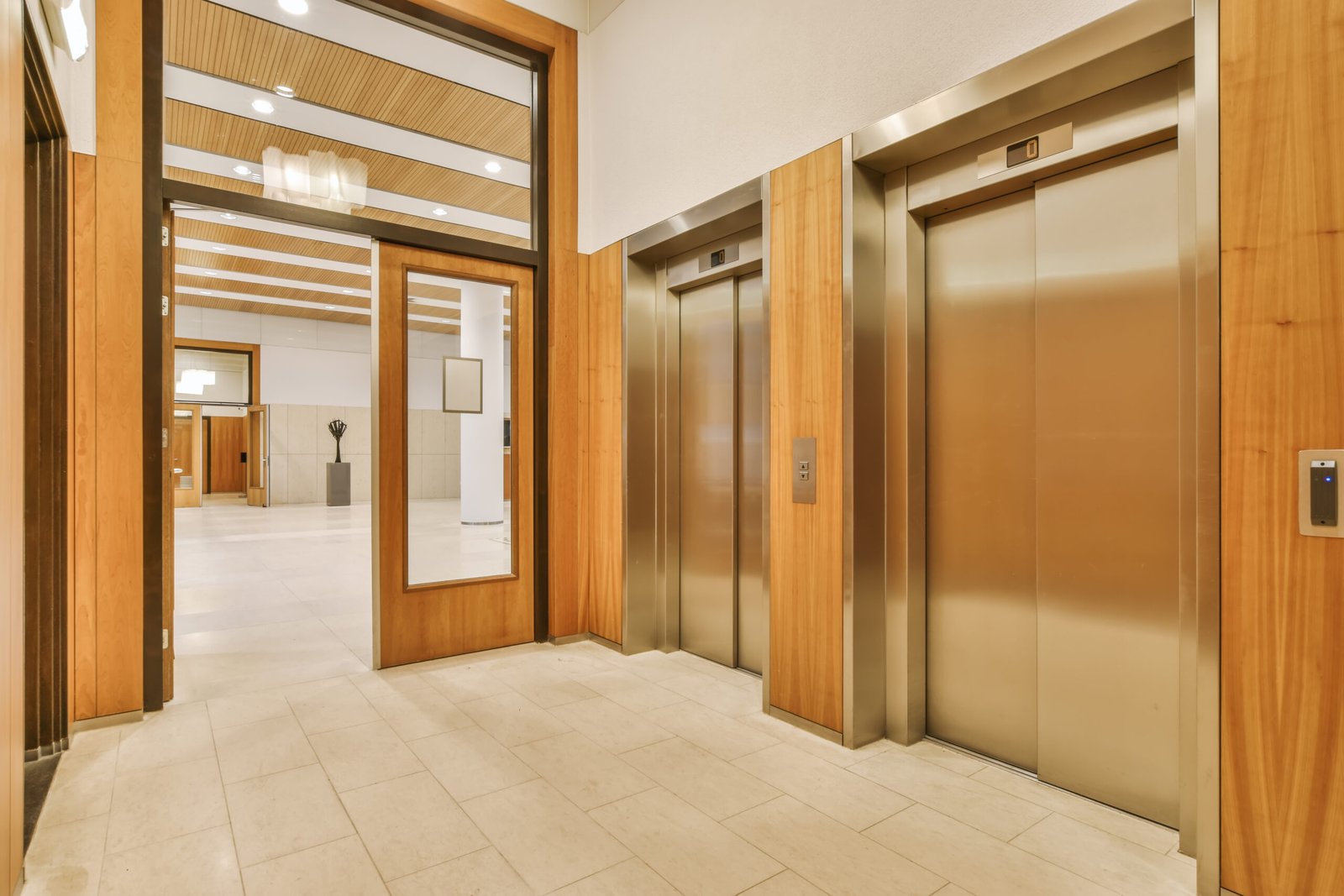
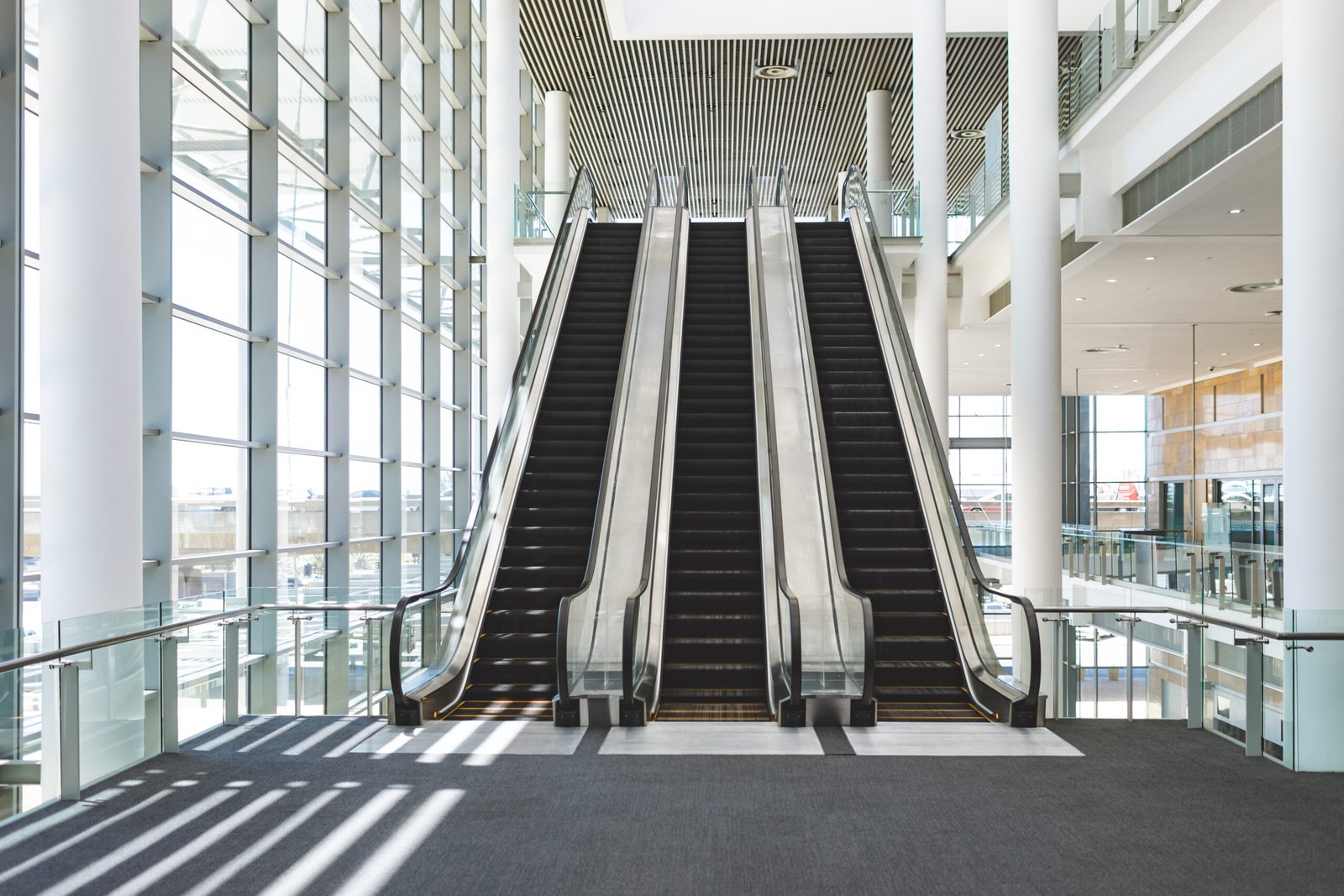
JAFITA’s current business is broader than freight elevators alone. Our company materials describe a product scope that has expanded to include commercial elevators, escalators, villa elevators and freight elevators for different building applications.

- Heavy-duty elevators
- Dumbwaiters
- Moving walks
- Accessibility products
- Components
Instead of treating all of these products as if they came from one identical manufacturing platform, JAFITA coordinates suitable manufacturing resources according to the actual product category and technical requirement. This is an important part of our production capability.
05 · Multi-Product Project Supply
One Project May Require More Than One Type of Equipment
Large developments often involve different vertical-transportation requirements within the same project. JAFITA coordinates those categories together instead of sending the customer to an unrelated supplier for each product.
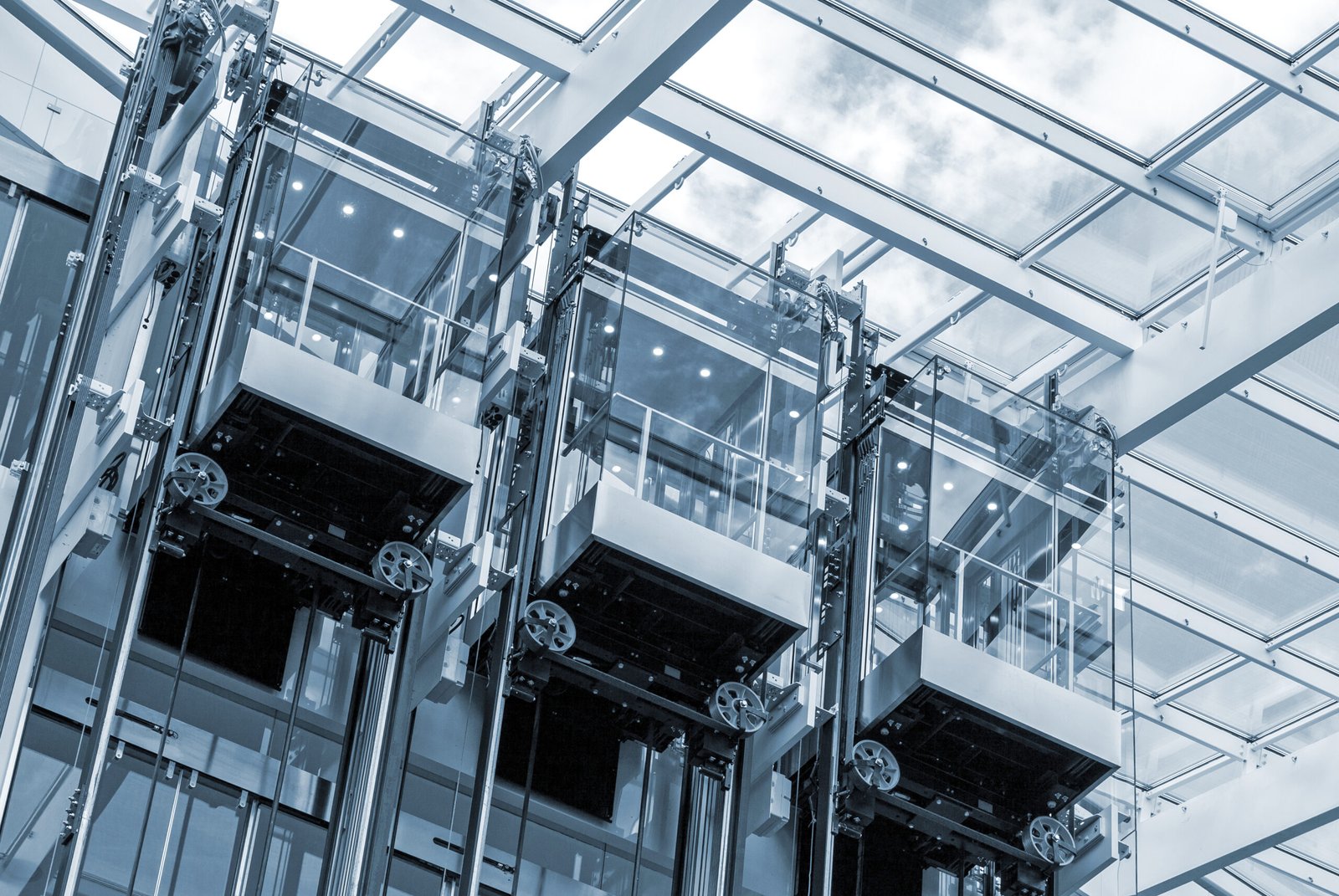
01 · Mixed-use & commercial
Passenger + Freight Elevators
For developments that separate visitor traffic from goods movement.
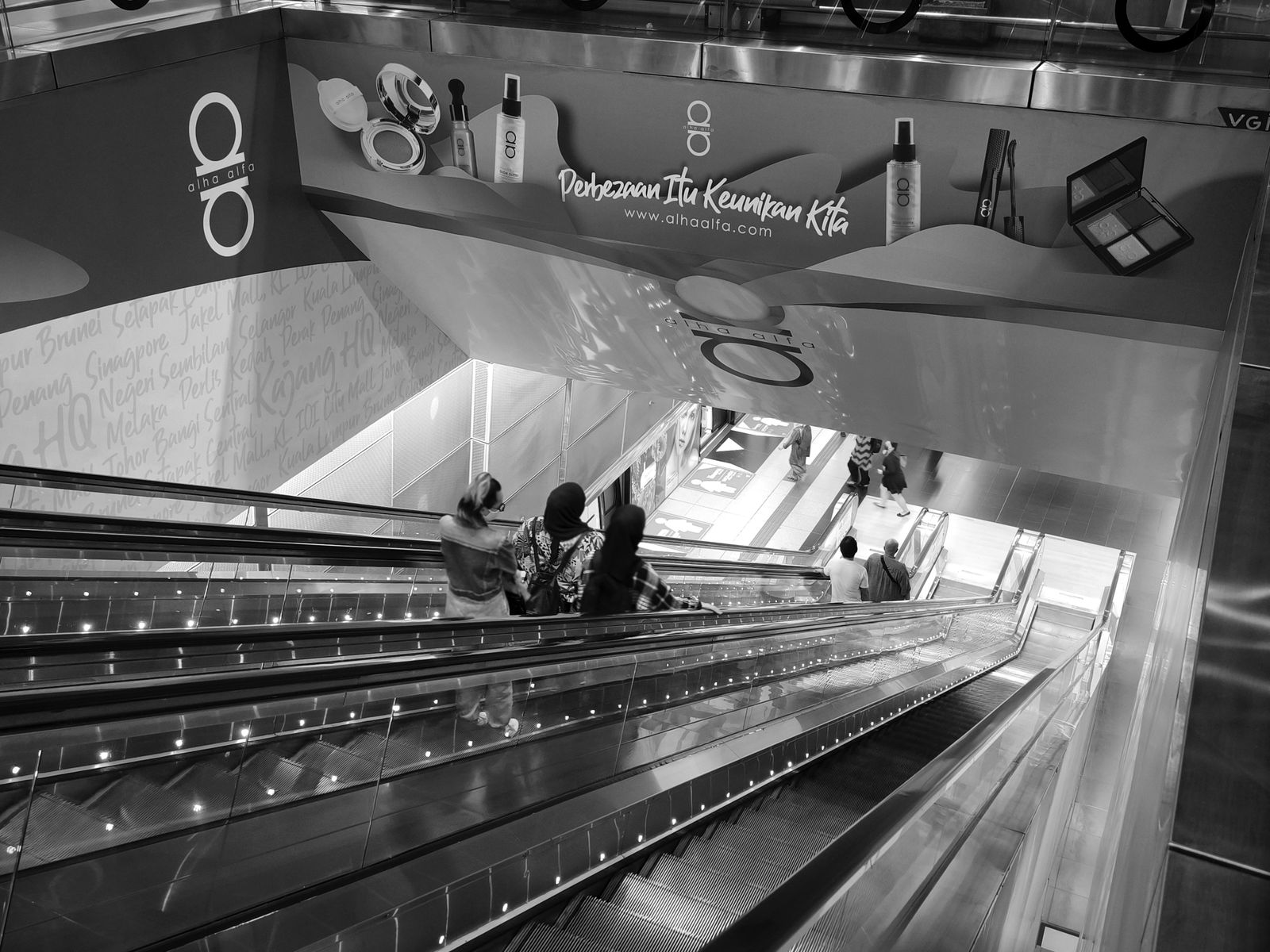
02 · Retail & public circulation
Passenger + Escalators
For retail and public buildings where continuous circulation sits beside elevator traffic.
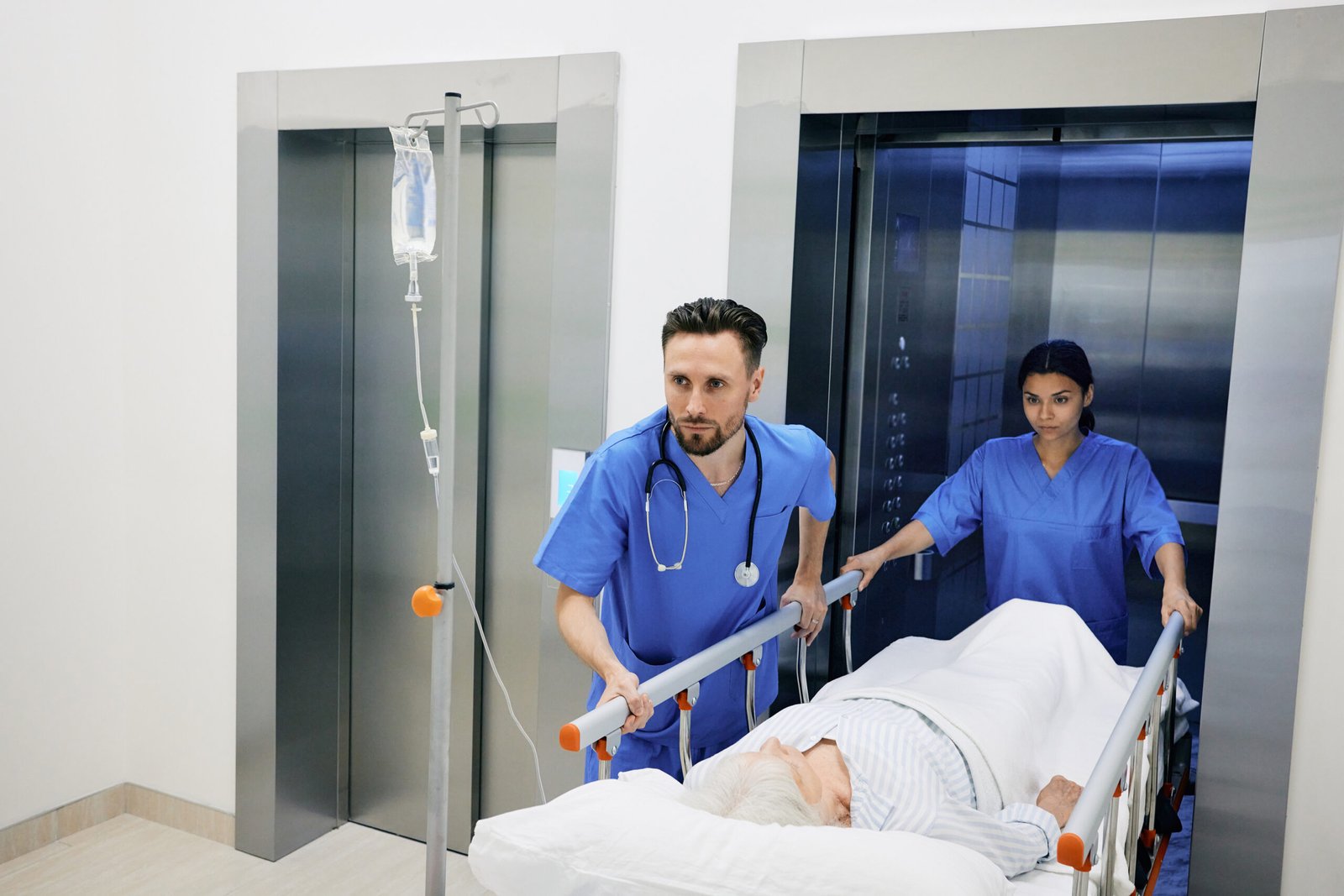
03 · Healthcare facilities
Hospital + Passenger Elevators
For bed transport, staff movement and public floors in the same building.
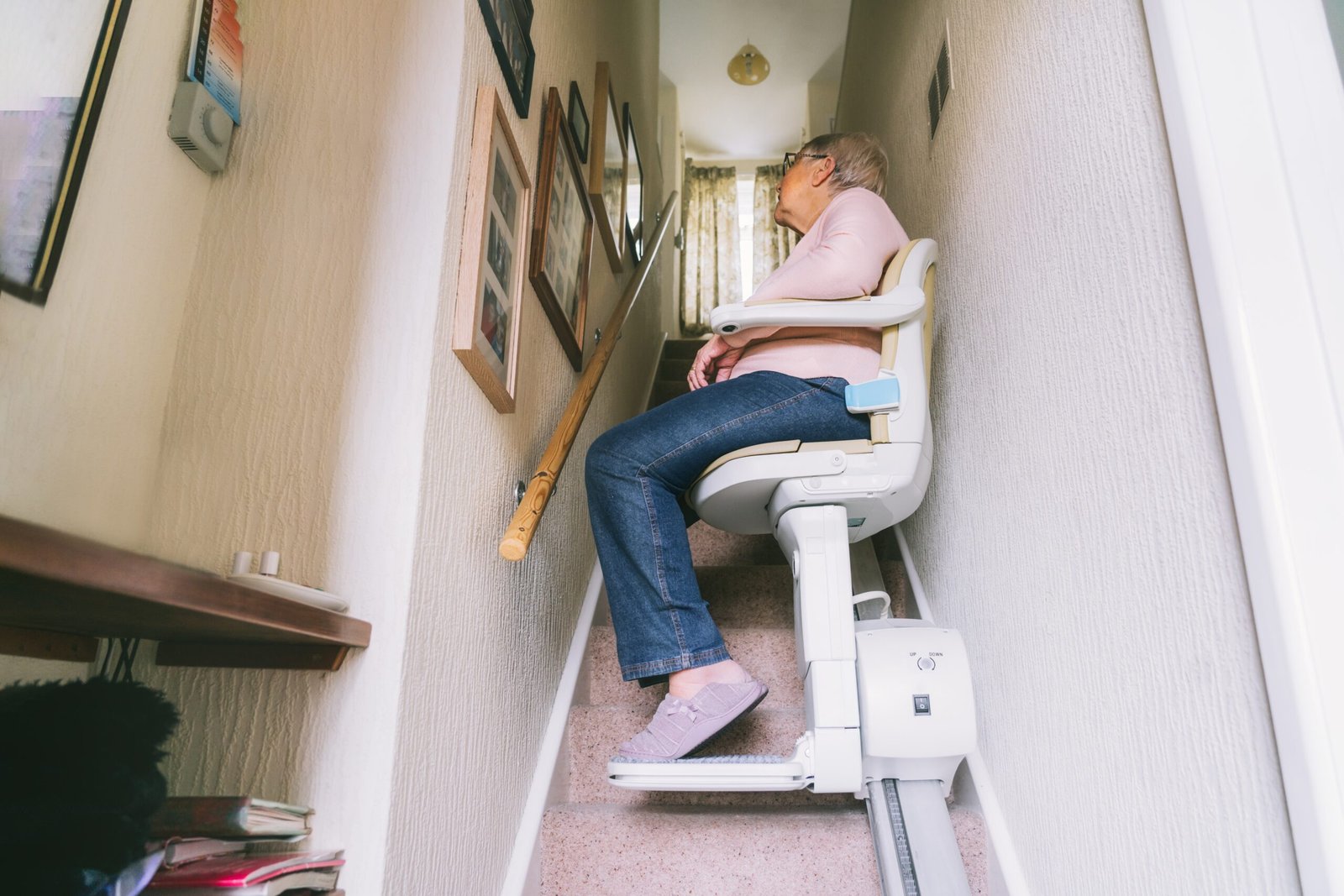
04 · Residential & renovation
Home Elevators + Accessibility Products
For houses where shaft space, pit and daily use differ from commercial projects.
05 · Equipment and supporting parts
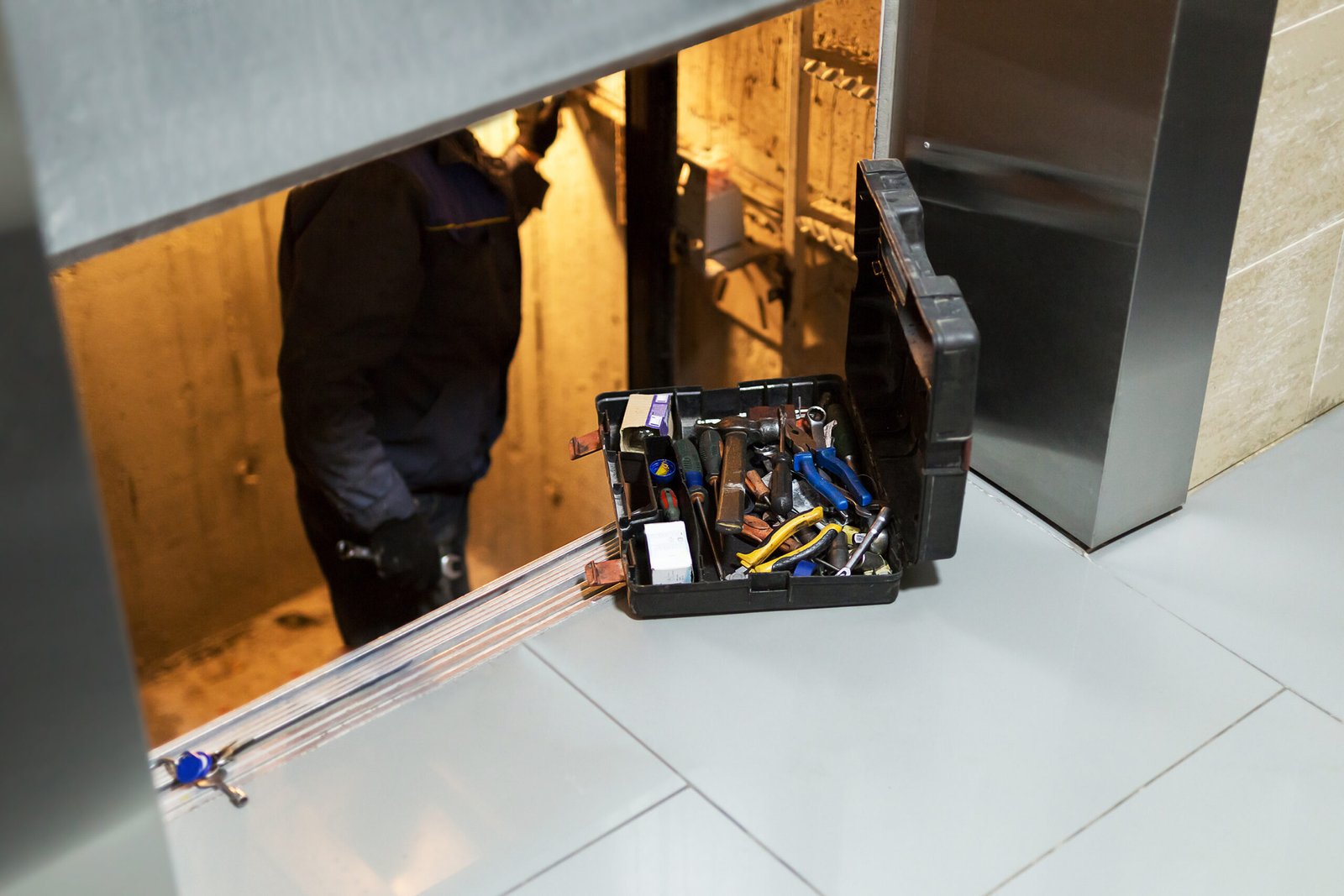
Complete Elevators + Components
For elevator companies, contractors and distributors needing both complete units and parts.
06 · Customized Production Requirements
Standard Products Do Not Fit Every Shaft or Application
Elevator projects frequently involve dimensions or operating requirements that differ from a standard catalog configuration.
Depending on the selected product and manufacturing conditions, the technical review may need to consider:
- Non-standard car dimensions
- Different rated loads
- Different entrance arrangements
- Wide door openings
- Through-car entrances
- Special cabin finishes
- Freight-oriented reinforced structures
- Project-specific control functions
- Electrical requirements
- Destination-market requirements
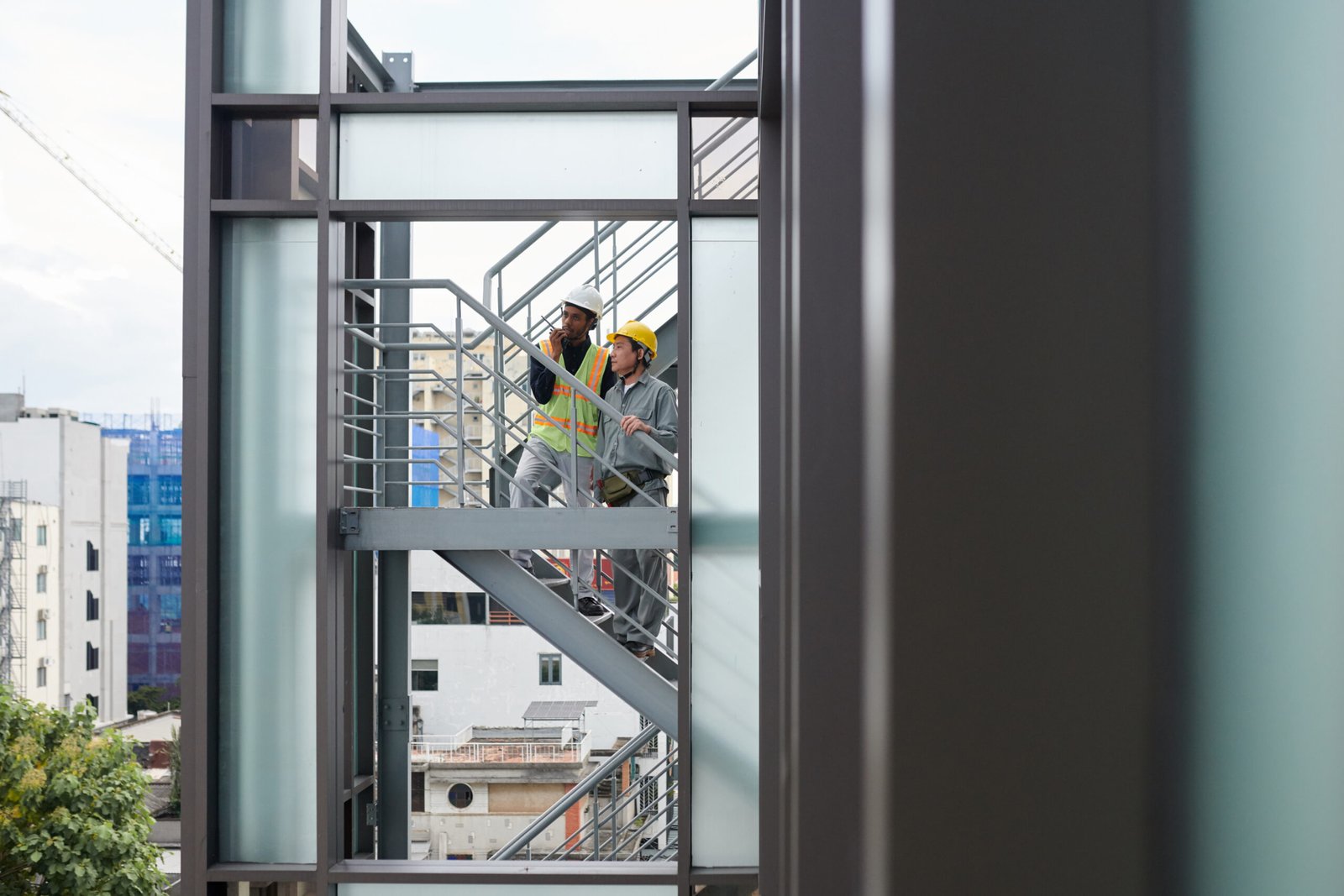
We do not treat customization as simply changing the appearance of the cabin. The mechanical, electrical and building interfaces must remain coordinated as one system. Feasibility is confirmed according to the selected product and technical conditions.
07 · Component Supply Capability
Supporting Complete Systems and Individual Requirements
Production capacity also depends on access to the components required to complete and support an elevator system. Through long-term industry cooperation, JAFITA has developed broader access to elevator manufacturing and component resources.
The company’s background materials specifically describe direct factory connections developed through years of industry cooperation. For replacement components, compatibility must be evaluated using model information and technical specifications rather than appearance alone.

Drive, Control & Cabin Interface
Major systems that define how the elevator moves and how passengers operate it.
- Traction machines
- Controllers and control cabinets
- Inverters
- COP, LOP and displays
Doors, Cabin & Structure
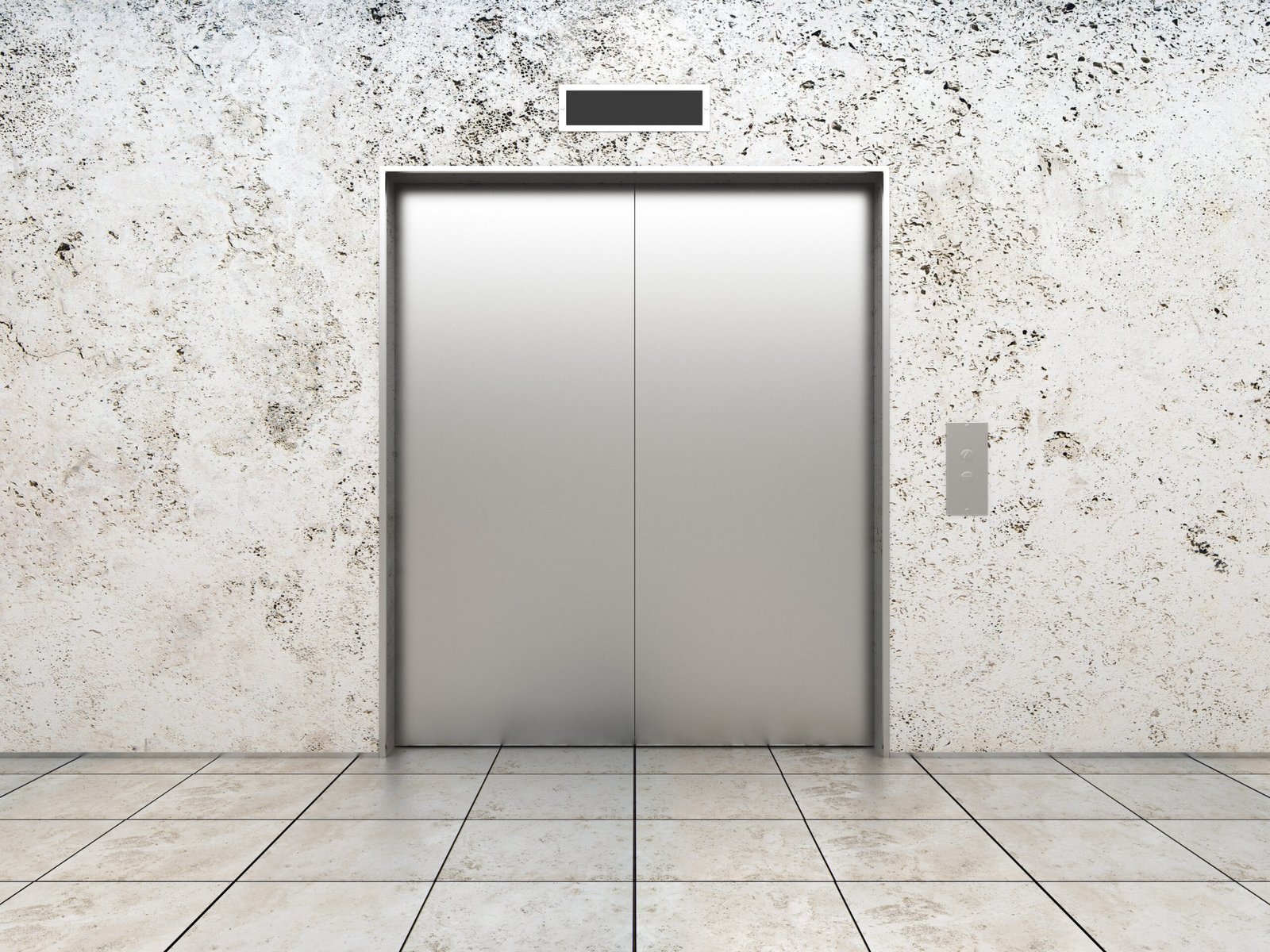
The visible and structural assemblies that must match shaft and entrance conditions.
- Door operators
- Landing and car doors
- Elevator cabins and car frames
- Guide rails, ropes and suspension
Safety, Electrical & Escalator Parts
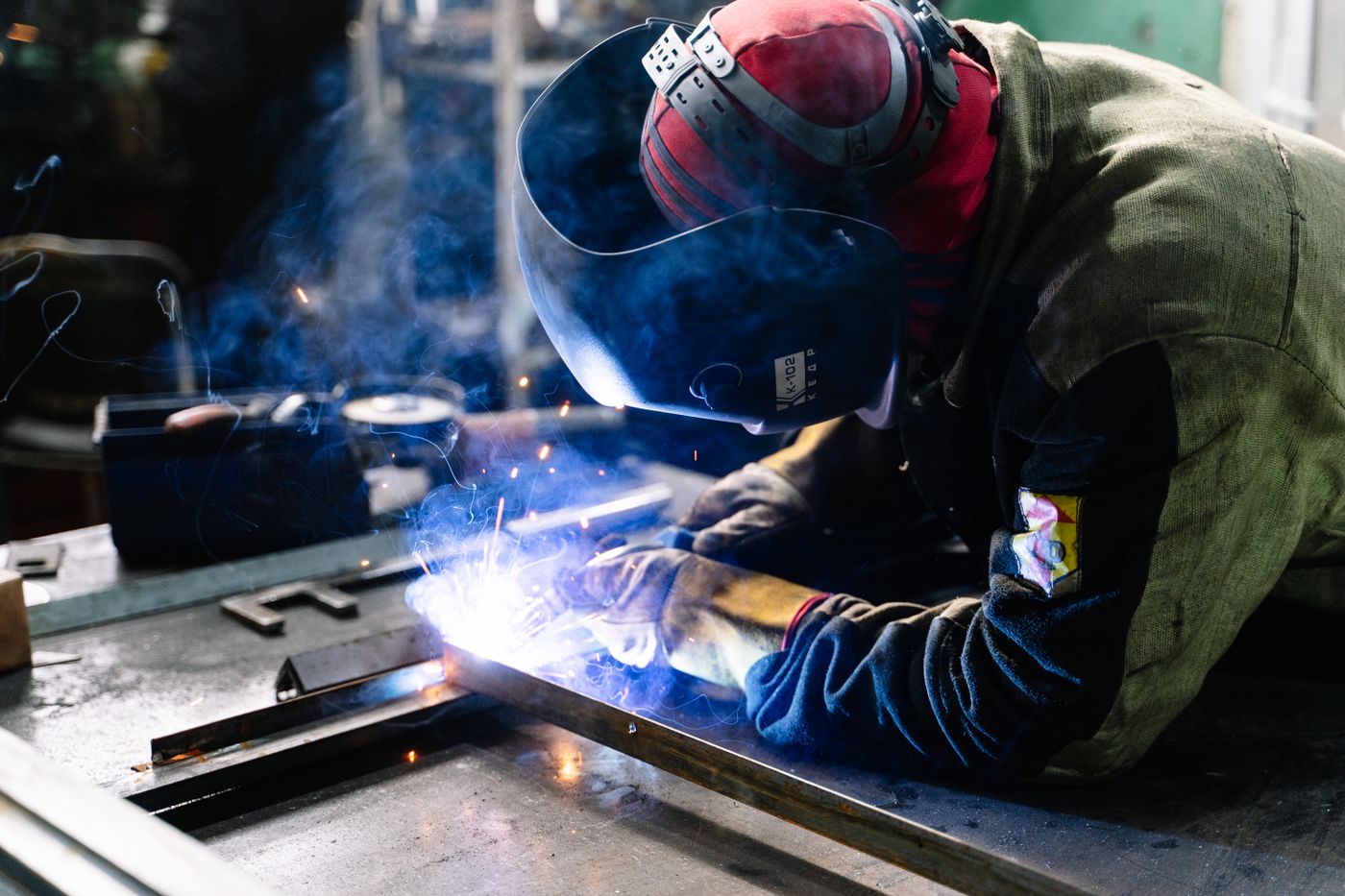
Supporting components for complete systems and later replacement enquiries.
- Safety components
- Electrical components
- Escalator components
- Replacement parts
08 · Production Planning Starts with Technical Confirmation
Quantity Alone Does Not Define Capacity
An elevator project’s production requirements depend on more than the number of units.
Planning also depends on:
- Product category
- Technical configuration
- Rated load and speed
- Customization level
- Component selection
- Cabin finishes
- Documentation requirements
- Project destination
- Required delivery schedule
A standard passenger elevator project and a customized heavy-duty freight elevator project may involve very different manufacturing requirements even when the unit quantity is the same. Production and delivery planning should follow technical clarification rather than precede it.

09 · Supporting International Supply
Production Must Be Coordinated with Export Requirements
JAFITA began developing its elevator export business in 2008 and has since accumulated experience serving international markets. For overseas projects, production coordination may also need to consider factors beyond the basic elevator configuration.
Destination Requirements
Applicable market and project requirements identified before production.
Electrical Conditions
Voltage, frequency and related electrical specifications for the destination.
Documentation
Technical and commercial documents required for the project.
Packaging
Equipment and components prepared according to the intended transportation method.
Shipment Coordination
Production planning aligned with the agreed project and delivery arrangement.
Future Parts Requirements
Identification and configuration information that can support later component enquiries.
10 · How We Evaluate Your Production Requirement
Start with the Project Scope
To evaluate a project accurately, the most useful initial information includes:
With this information, the appropriate manufacturing and supply route can be evaluated more accurately.
11 · Capacity You Can Evaluate by Project
Not a Single Number — a Set of Project Questions
JAFITA’s production capability has developed through freight elevator manufacturing, OEM cooperation, broader factory relationships and international project supply. We judge capacity by whether the available resources can support the actual project — not by a single abstract number.
01 · Specification
Can the required elevator be produced to the confirmed specification?
02 · Categories
Can different product categories be coordinated when the project requires them?
03 · Custom review
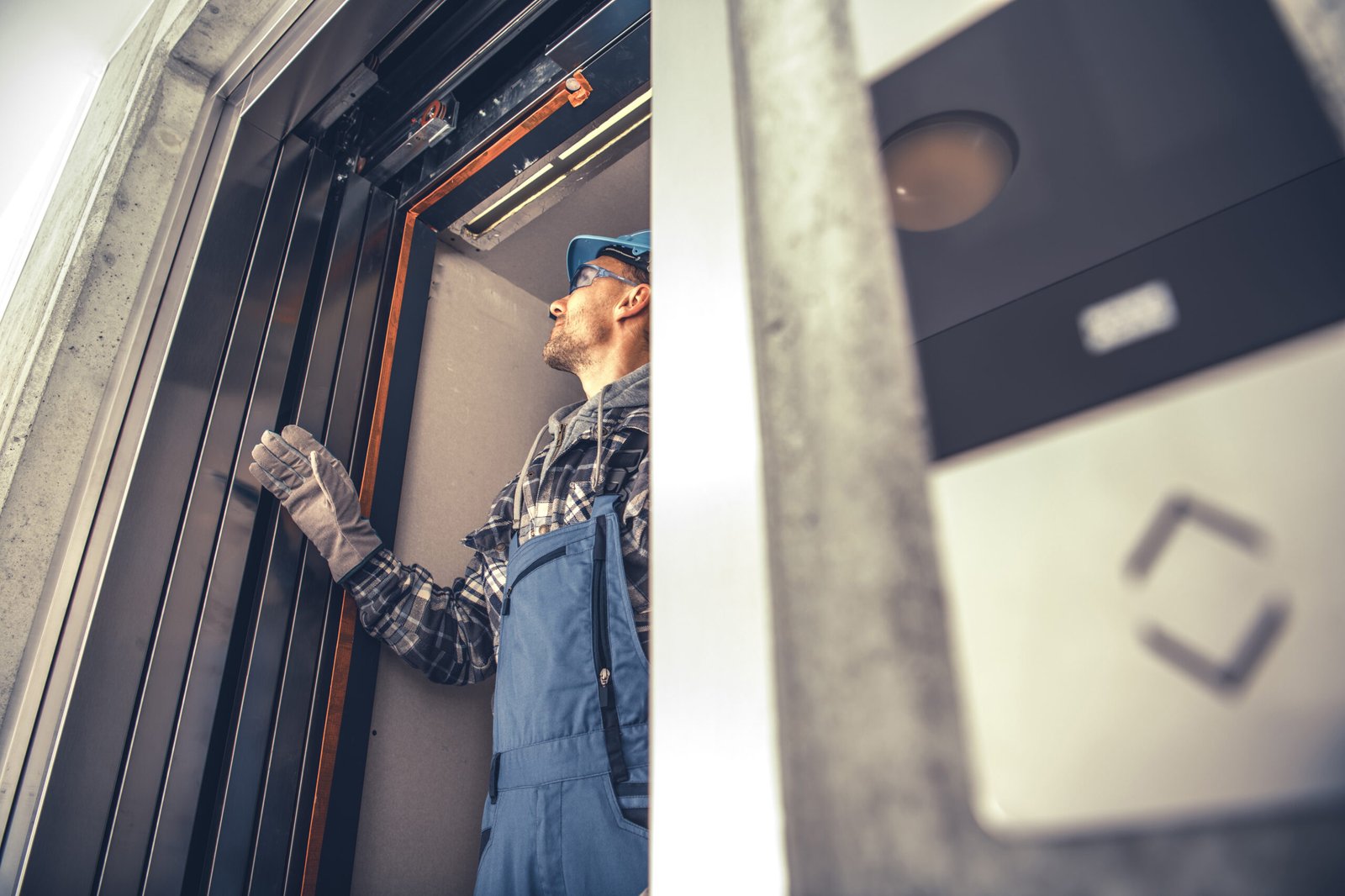
Can customized requirements be technically reviewed before production?
04 · International supply
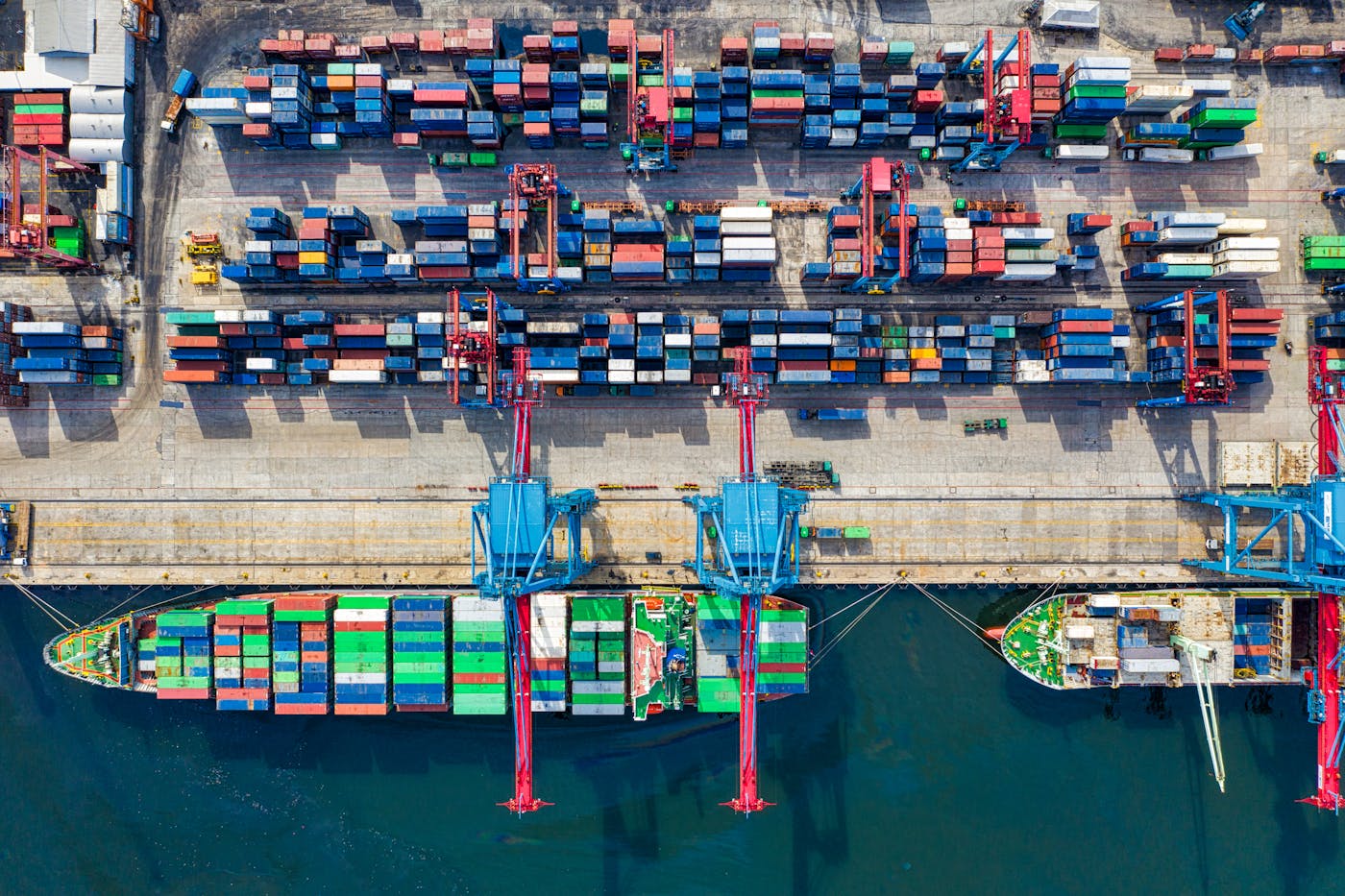
Can the equipment and documentation be prepared for international supply?
These are the capabilities we bring to each project
Send the scope. We evaluate the manufacturing route.
Product type, quantity, main parameters and destination are enough to start. Feasibility is confirmed before a production schedule is promised.