

01 · Project Consulting
Clarify the Elevator Requirement Before It Becomes a Site Problem
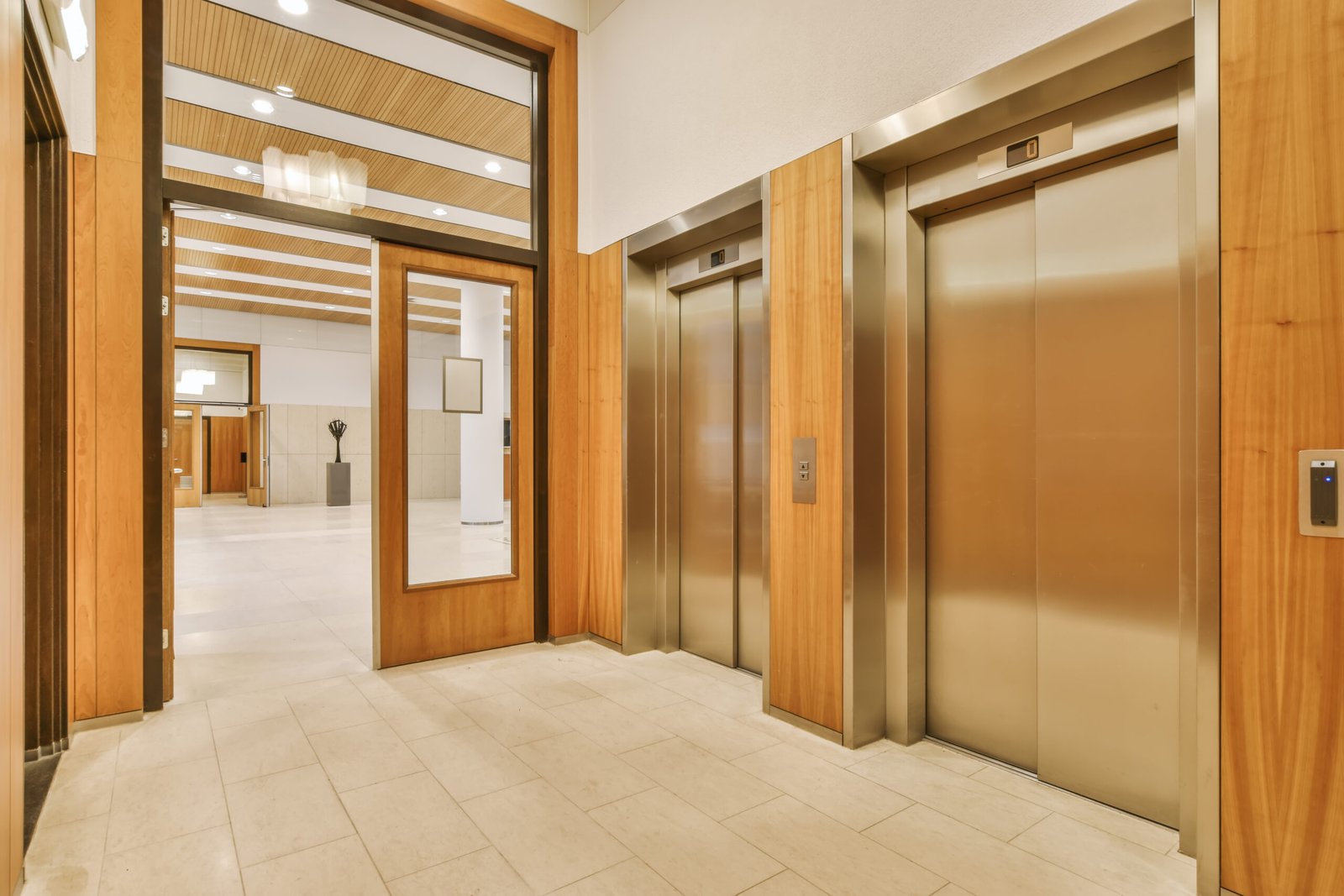
Many elevator project issues can be reduced before an order is placed. A shaft that is too small, an entrance that conflicts with the building, or an unconfirmed market requirement can create changes later in design, production or installation.
You do not need a complete elevator specification to begin.

02 · Start with the Building
Start with the Building
Elevator selection should begin with the actual application. We typically ask about:
- Building type
- Project country
- Number of floors
- Expected users
- Passenger or goods traffic
- Required product category
- Estimated quantity
- Available hoistway information
- Project schedule
From there, the main technical parameters can be developed more clearly.
03 · Key Parameters We Help Clarify
Key Parameters We Help Clarify
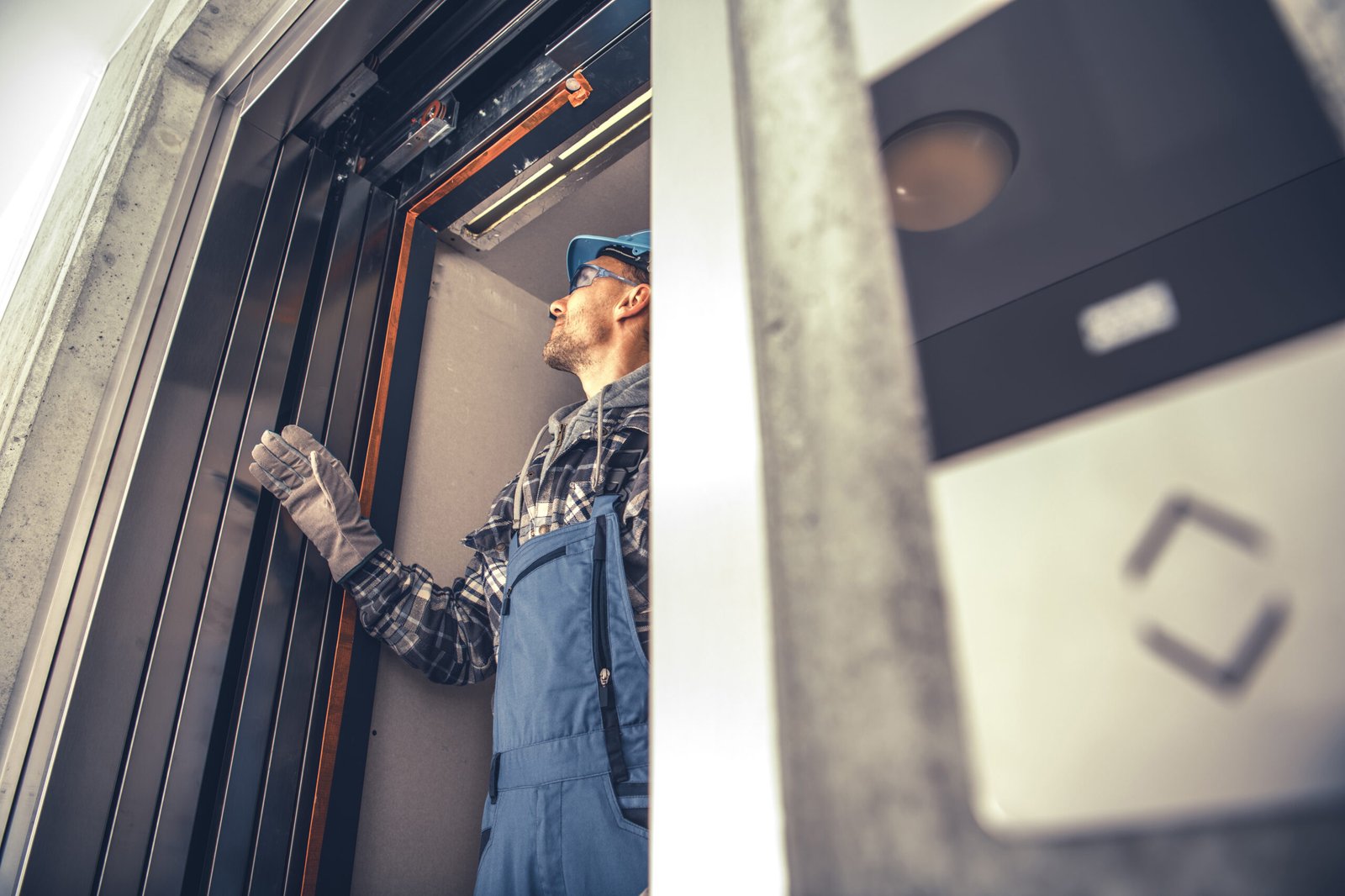
JAFITA supports early-stage elevator discussions by helping customers turn building information and operating requirements into a clearer equipment brief.
- 01
Rated Load
What capacity is appropriate for the intended users or goods?
- 02
Rated Speed
What speed is reasonable for the travel, building height and traffic requirement?
- 03
Travel & Stops
How far does the equipment travel, and how many levels are served?
- 04
Hoistway Conditions
What width, depth, pit and overhead are available?
- 05
Entrance Arrangement
Where are the landing doors located, and are through-car or alternative arrangements required?
- 06
Door Opening
What clear opening is needed for passenger flow, beds, goods, carts or other specific uses?
- 07
Electrical & Market Requirements
Which voltage, frequency, standard, certification or documentation requirements apply to the destination market?

04 · Consulting for Different Project Types
Consulting for Different Project Types
The questions that matter change with the building. Early discussion should follow the project type rather than a single product list.

New Developments
Early coordination helps align the building design with the elevator requirements before structural conditions become fixed.
Existing Buildings
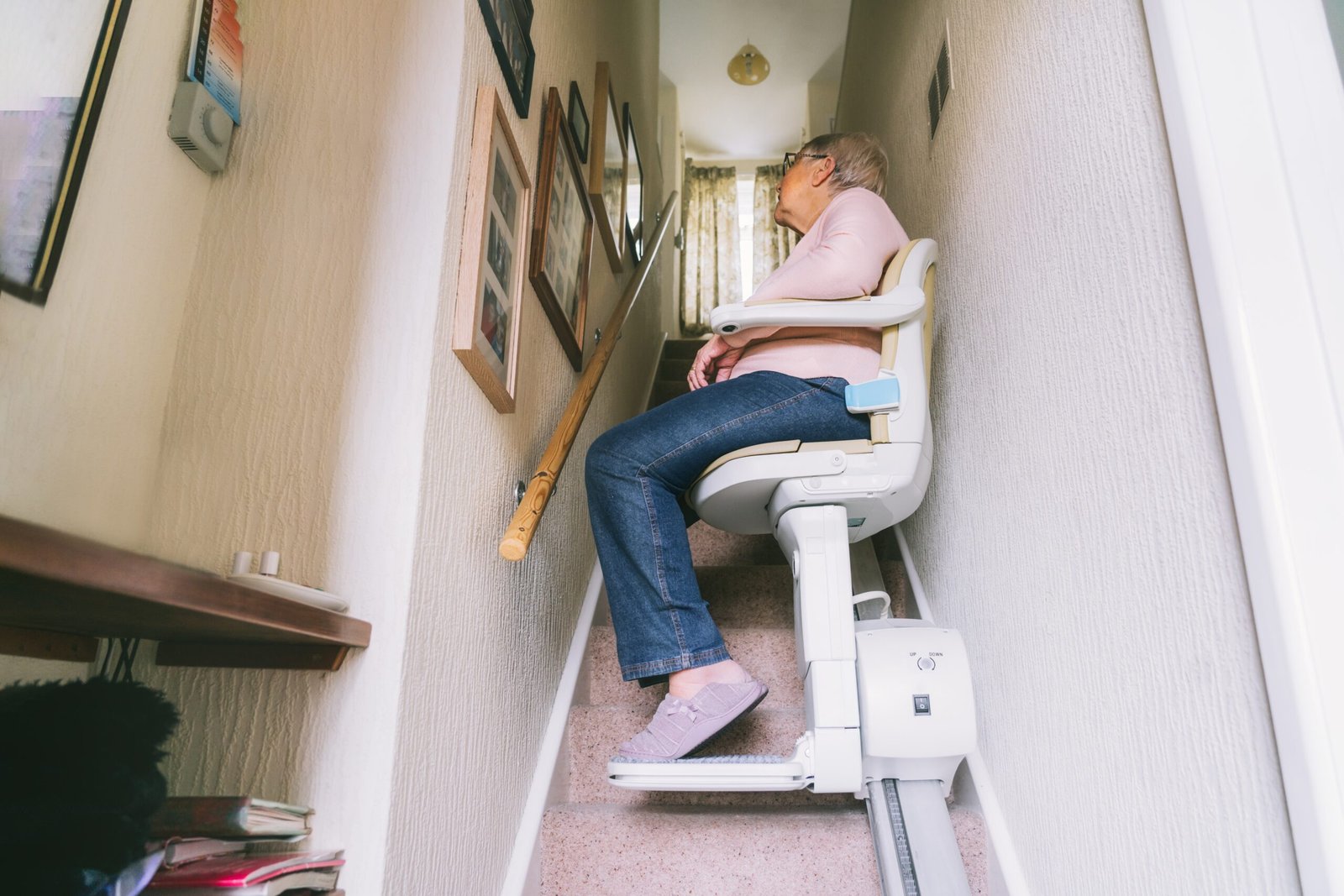
The available space, structure and access conditions should be reviewed before selecting equipment.
Industrial & Logistics
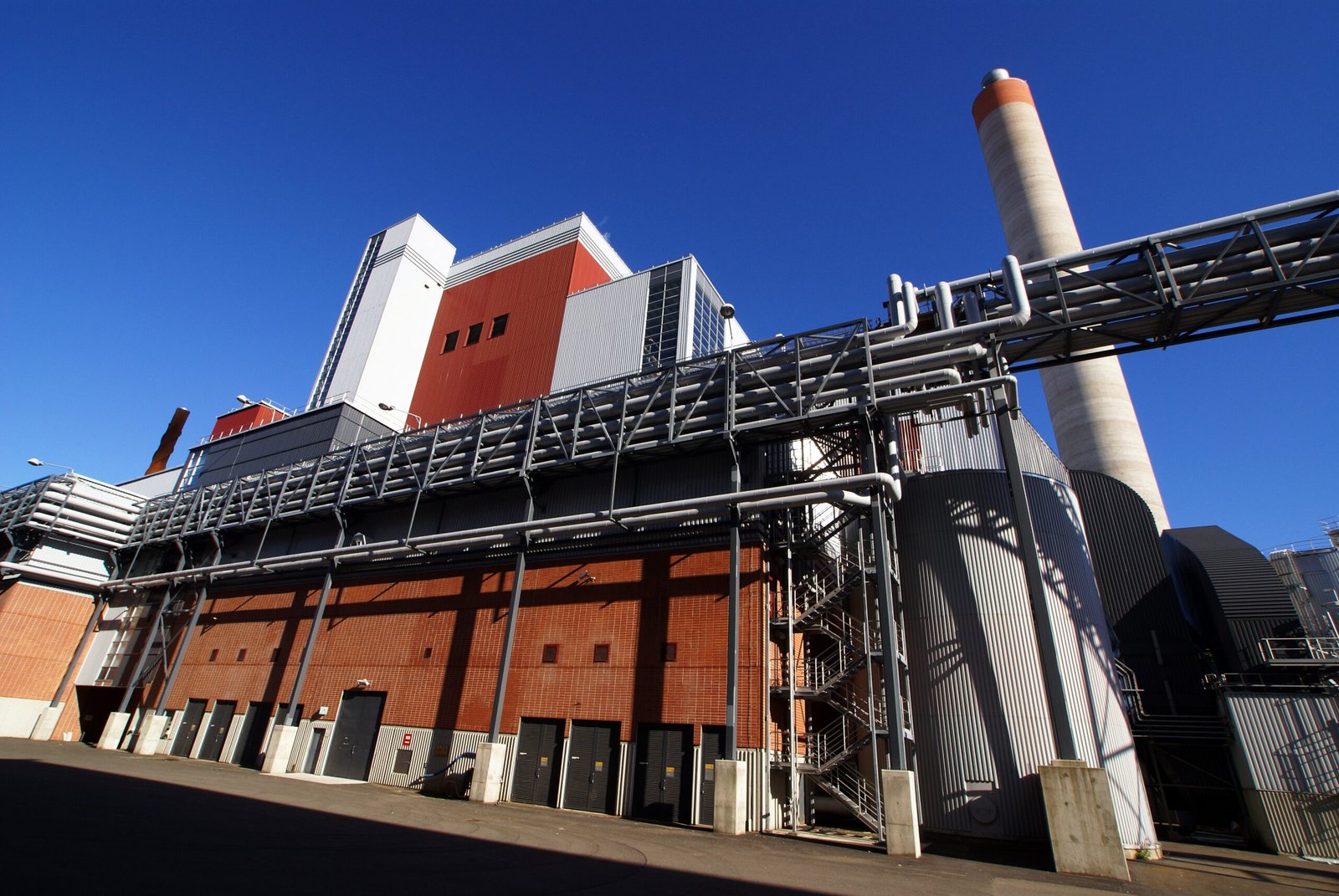
Load type, loading method, car dimensions, door configuration and duty cycle become central to the specification.
Healthcare Projects
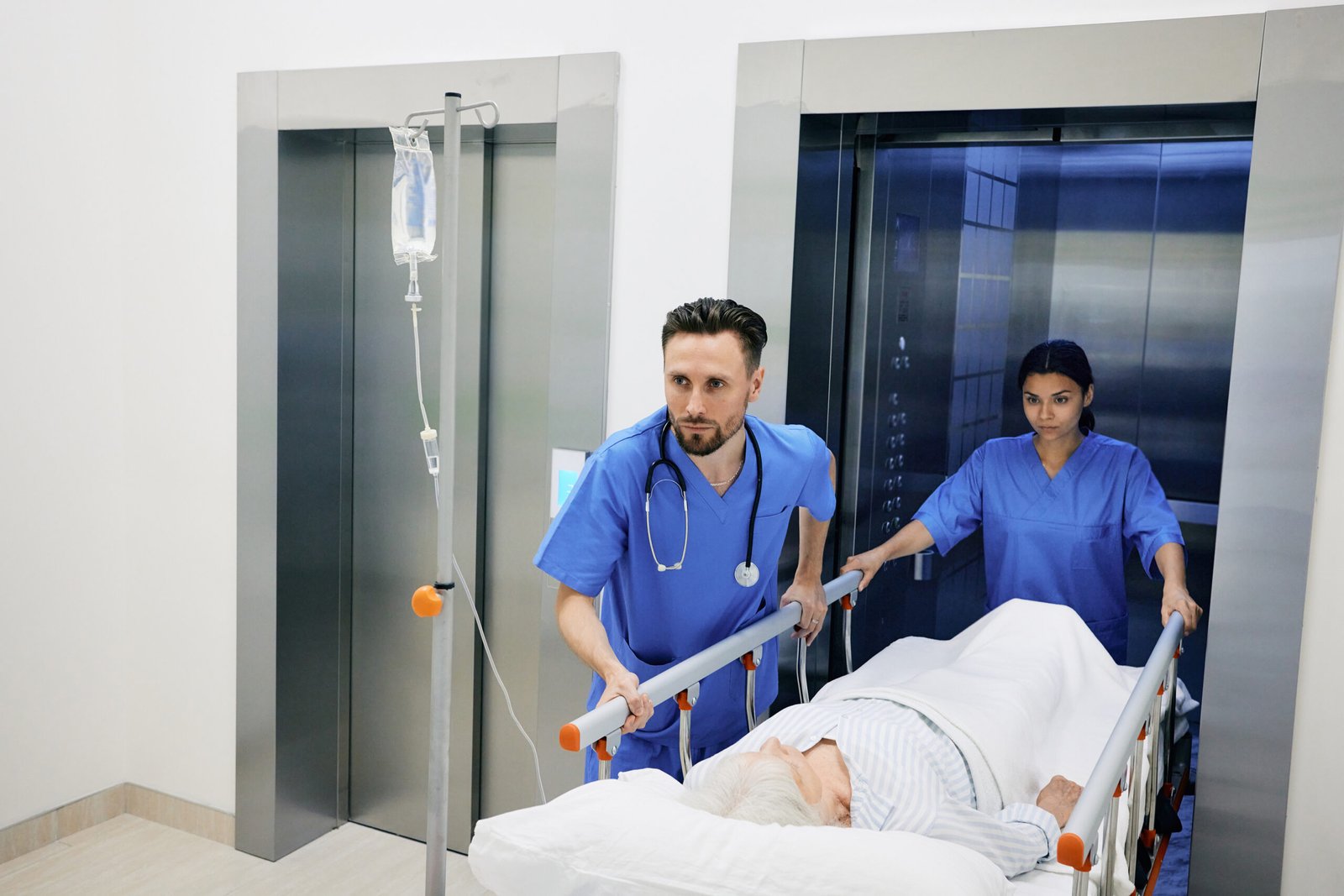
Bed and stretcher movement, clear door opening, car dimensions and operational priorities require specific consideration.

Hotels & Commercial
Guest traffic, service circulation, freight movement and appearance may need to be coordinated across several elevator types.

International Projects
Destination-market requirements should be identified early so that the equipment and documentation are developed in the right direction.
05 · From Early Idea to Technical Brief
From Early Idea to Technical Brief
A project may begin with only a simple statement. That is enough to start the discussion, but not enough to finalize the equipment.

“We need elevators for a 12-storey residential building.”
That is enough to start the discussion, but not enough to finalize the equipment. The next questions concern travel, stops, users, hoistway information and the destination market.
Turn the statement into a brief
The next step is to turn that statement into a technical brief containing the information that affects product selection and building coordination.
JAFITA helps customers identify which questions need answers before the commercial proposal is treated as final.


One vertical-transportation scope — not several unrelated purchases.
Multi-category projects treated as one brief
06 · Multi-Product Projects
Multi-Product Projects
Some developments require more than one elevator category. In these cases, the project should be considered as one vertical-transportation scope rather than several unrelated purchases.
- Passenger + freight elevators
- Passenger elevators + escalators
- Guest elevators + service elevators
- Passenger + hospital elevators
- Freight + heavy-duty elevators
- Complete elevators + supporting components
JAFITA’s multi-category supply resources can support this type of coordination.
07 · Product-Neutral Discussion
Product-Neutral Discussion

Early consulting is most useful when the conversation is not restricted to one catalogue model too early. Different manufacturers and product platforms have different strengths.
JAFITA’s background in freight elevator manufacturing, OEM cooperation and broader industry resources allows several supply routes to be evaluated according to the project instead of assuming that one product line is automatically the best fit.

08 · What We Can Review
What We Can Review
Depending on the project stage, discussion may involve:
- Basic project brief
- Architectural floor plans
- Building sections
- Hoistway drawings
- Tender specifications
- Existing elevator data
- Product schedule
- Quantity list
- Customer technical requirements
- Destination-market requirements
The objective is not to replace the project’s architect, structural engineer, elevator consultant or local regulatory professionals. Our role is to support equipment-side clarification and supply planning.
09 · International Project Consulting
International Project Consulting
JAFITA has been engaged in elevator export business since 2008. For overseas projects, early clarification can help avoid later questions.
- ElectricalVoltage and frequency
- StandardsRequired standards and certification scope
- DocumentationLanguage and technical documentation
- LogisticsPackaging and shipping
- SiteLocal installation responsibilities
These requirements should be considered before production rather than after the equipment is ready to ship.


10 · What to Send for a First Review
What to Send for a First Review
You can start with only the information you have today. A useful first project brief includes:
- Project country
- Building type
- Product type
- Quantity
- Number of floors or stops
- Approximate travel height
- Rated load if known
- Drawings if available
If important information is missing, our team can identify the next technical questions.