JAFITA
Elevator Parts & Components | JAFITA
Component Engineering & Verification

Elevator Parts & Components

Use this page to identify the correct elevator component family, define compatibility evidence, and decide what must be verified before a replacement or project component is ordered.

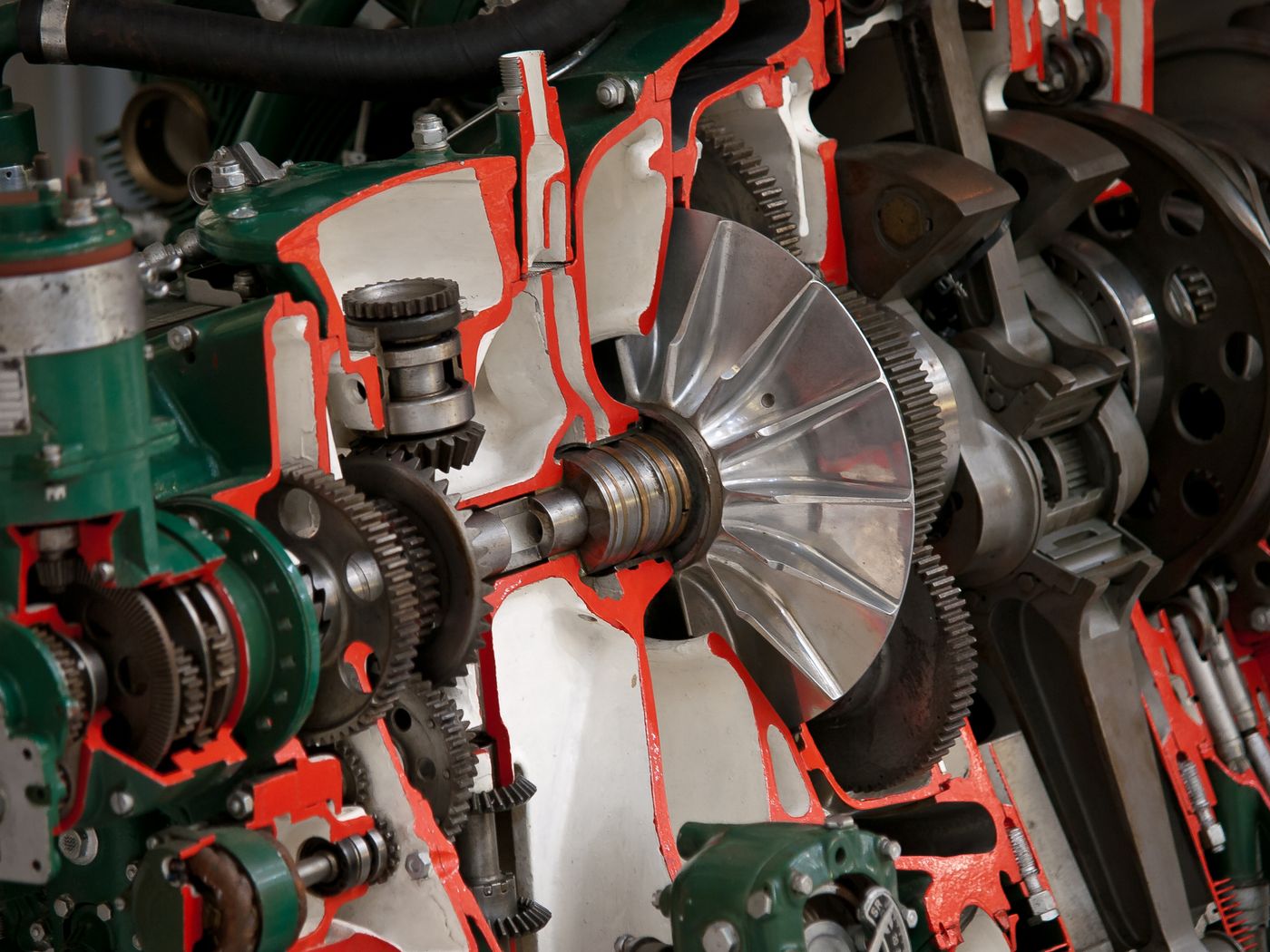
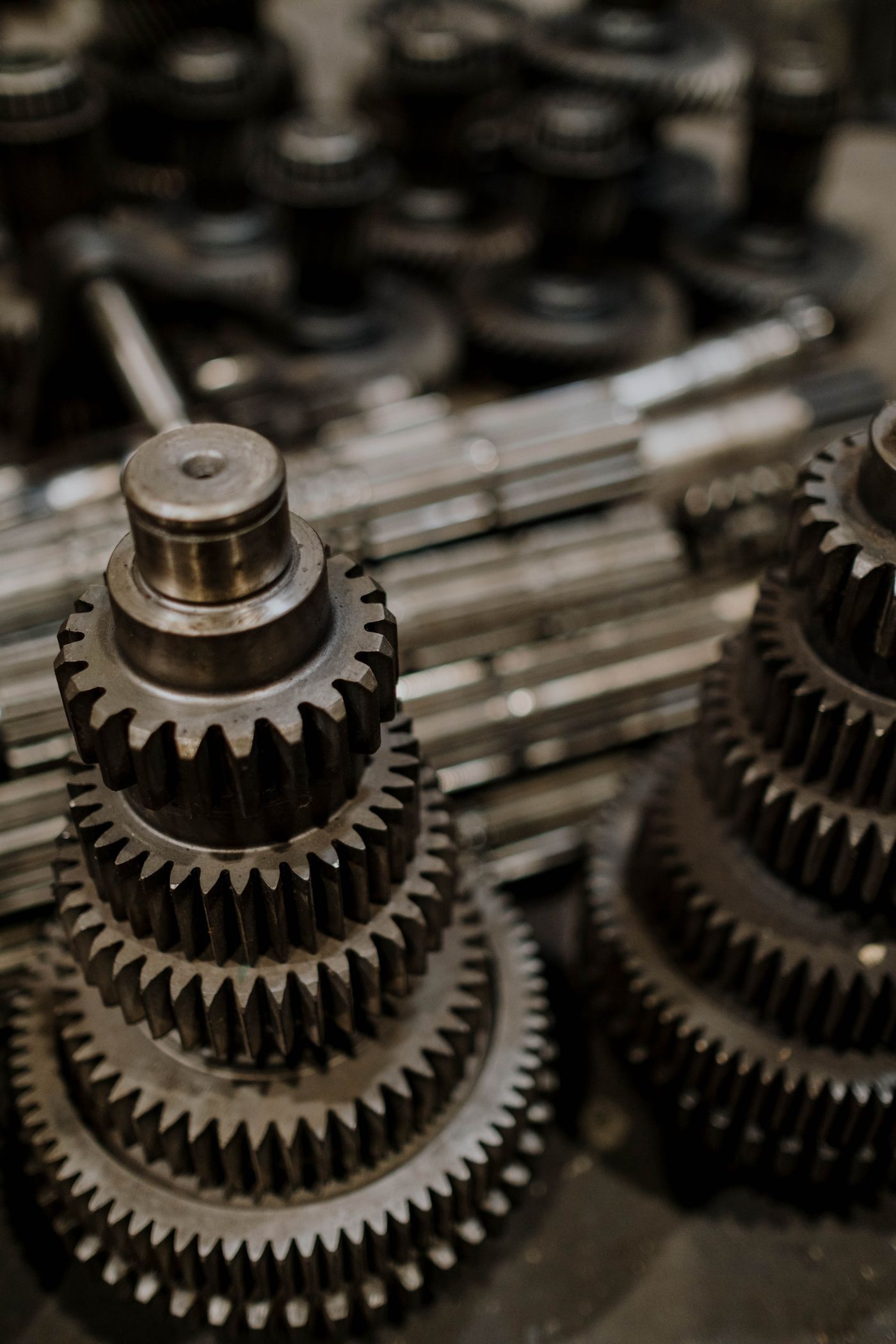
Cutaway view of precision machine components and drive gearing
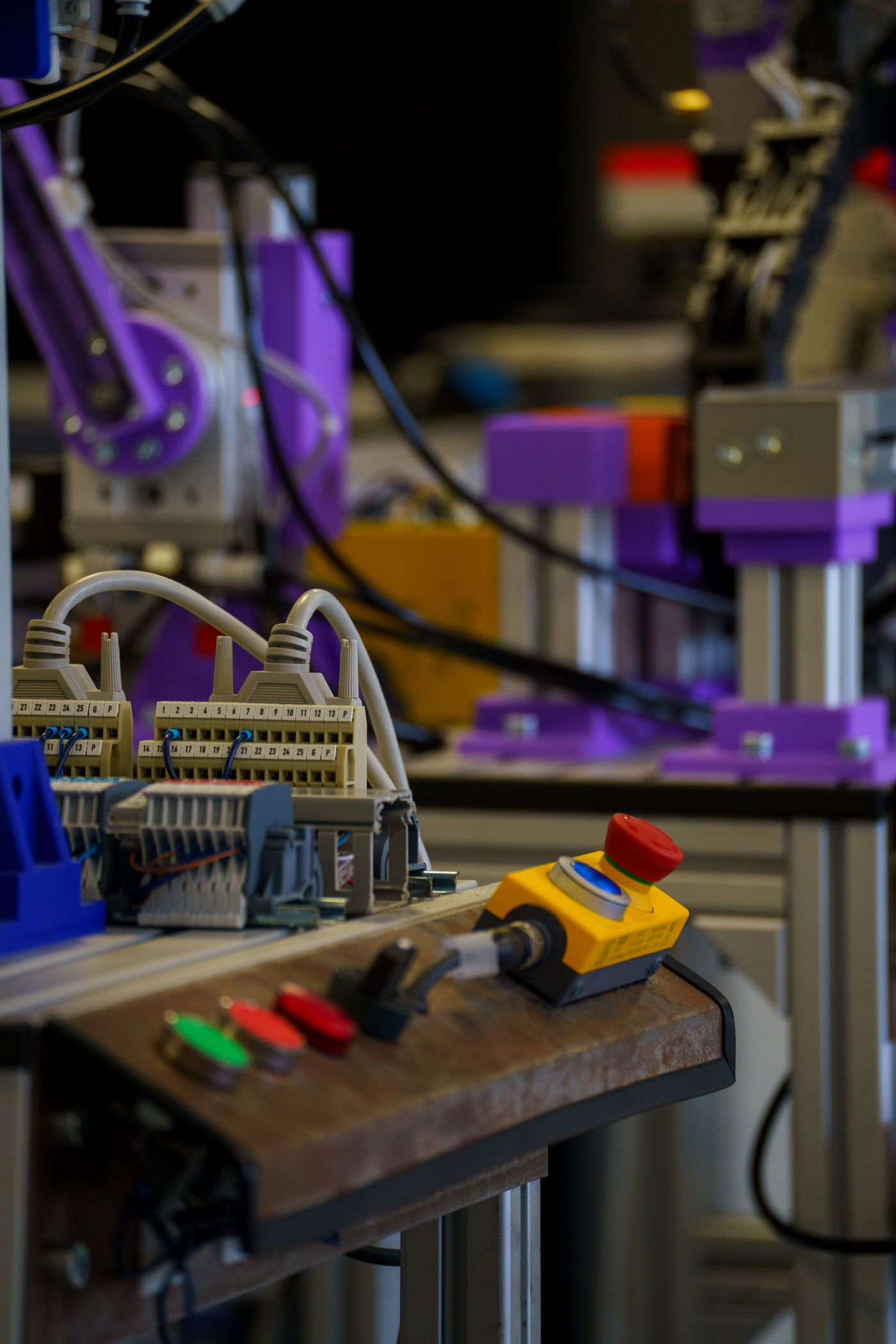
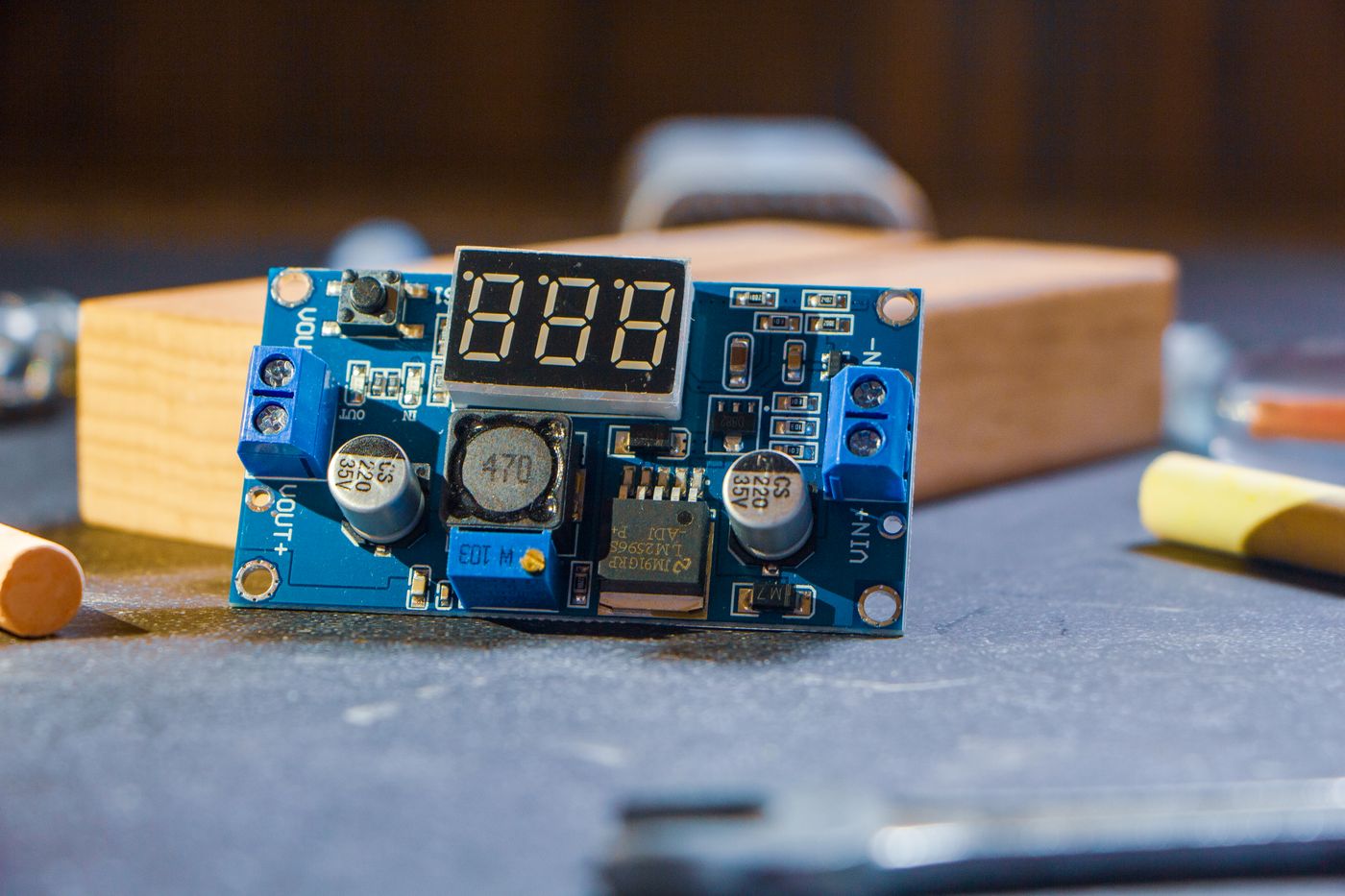
Industrial control board, terminals and safety switches
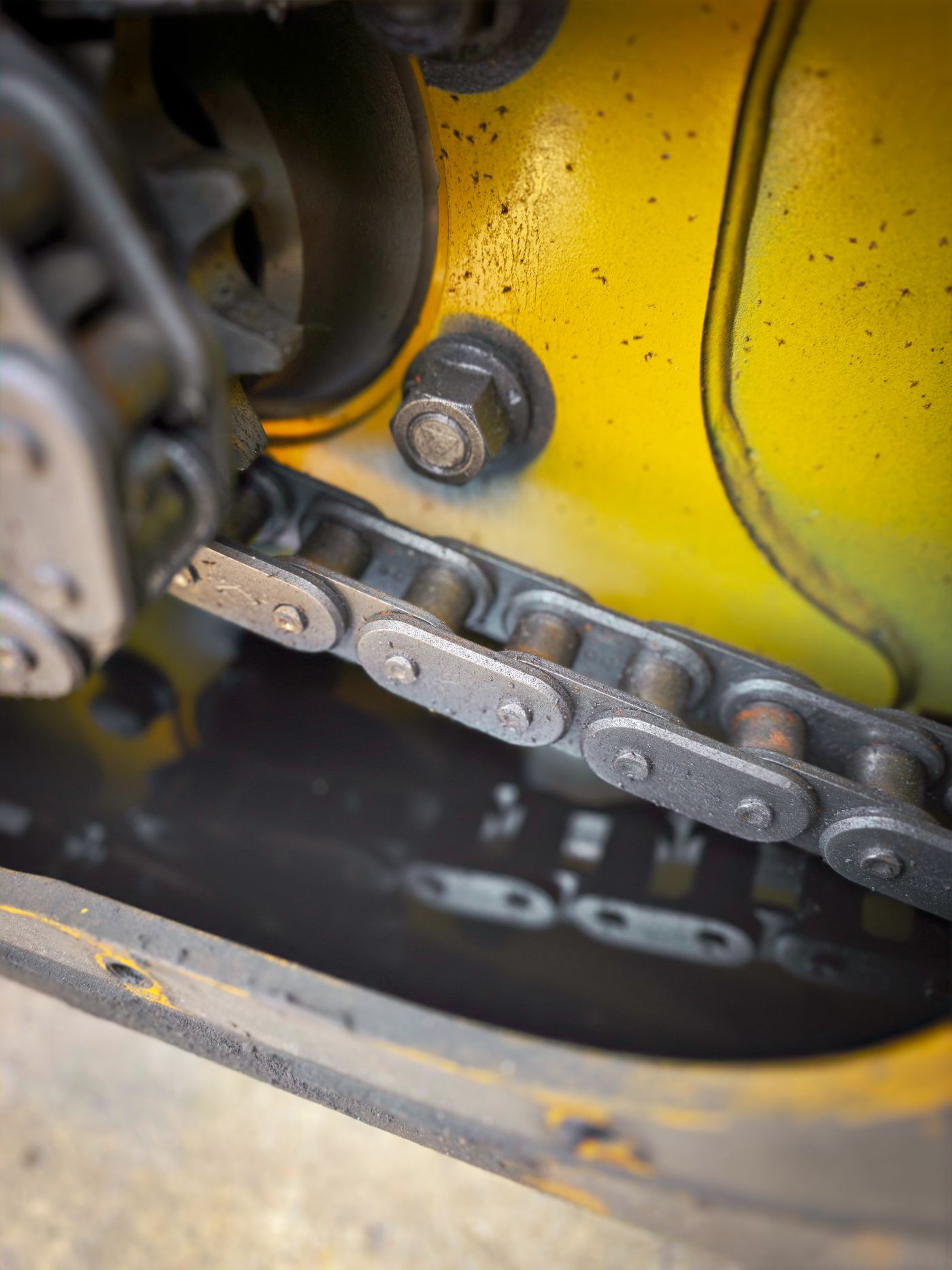
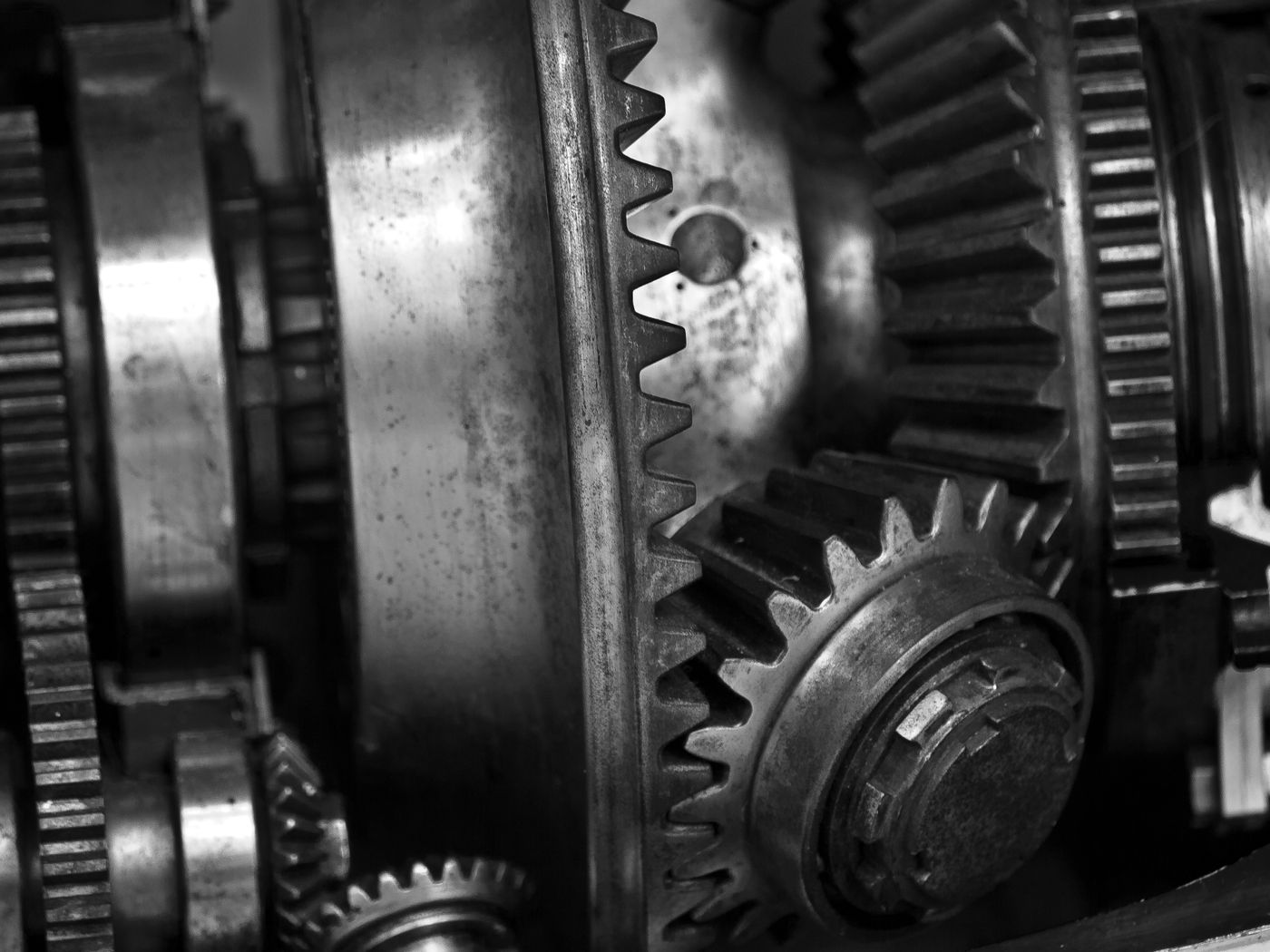
Close-up of chain-drive mechanics used in powered assemblies
Risk Prevention Architecture

Elevator component orders fail when visual similarity is treated as compatibility

A replacement component can look correct on a screen and still be wrong for the elevator.

Similar-looking gear assemblies requiring exact model identification
Failure Mode 01

Visual Identification Fallacy

The first failure is identification by appearance. Two door operators may use similar housings but different motors, encoders, controllers, mounting points, voltages, door widths, or communication interfaces. Two control boards may share the same connector shape but use different software, signal logic, or equipment versions. Once the wrong part reaches an overseas site, the cost is no longer only the price of the component. The buyer can face installation delay, repeat freight, technician time, and a second procurement cycle.

Interdependent gears and mechanical interfaces inside an assembly
Failure Mode 02

Isolated Part Assumption

The second failure is identifying one part without identifying the system around it. Elevator components do not operate independently. A traction machine works with the suspension system, drive, brake, encoder, controller, car mass, counterweight, rated load, speed, and traction conditions. A door operator works with the car door, landing doors, controller, safety devices, opening geometry, and operating cycle. A replacement that is mechanically similar but electrically or functionally different can create a new problem instead of repairing the original one.

Electronic module whose revision and terminal data must be verified
Failure Mode 03

Model Name Insufficiency

The third failure is assuming a model name is enough. Product revisions can change voltage, connectors, firmware, brakes, interfaces, or dimensions. The most useful identification package combines the part number, nameplate, equipment model, photographs, electrical data, dimensions, and connector details.

JAFITA’s component-sourcing principle should remain simple: match components by specification, not by appearance.
Engineering Distinction

Elevator component specifications must separate identity from compatibility

A component enquiry has two tasks: identify what is installed and determine whether the proposed replacement can work in that system.

STAGE 01

Identification Fields

Identification fields include manufacturer, model, part number, nameplate data, dimensions, mounting, connectors, and photographs. Electrical parts may also require voltage, signal interface, board revision, software information, and connected-equipment data.

STAGE 02

Compatibility Fields

Compatibility fields depend on the component family. For a traction machine, the buyer may need to compare drive type, rated load and speed context, traction or suspension arrangement, brake configuration, encoder, sheave geometry, mounting, and electrical characteristics. For a controller or inverter, the signal architecture, motor type, feedback device, power rating, voltage, software, and communication interfaces become central. For doors, opening width, door type, panel arrangement, operator geometry, motor, control interface, sensors, and mounting dimensions need to line up.

Safety-Related Standards & Verification Framework

Safety-related components require another level of discipline. ISO 8100-2:2026 covers verification, calculation, or testing requirements for several lift components and functions, including door locking devices, safety gears, overspeed governors, buffers, safety circuits, suspension means, guide rails, traction, and other safety-related systems. ASME A17.1/CSA B44 similarly governs elevators and related conveyances in North America across design, construction, installation, testing, maintenance, alteration, and repair.

Verification Hierarchy: Compare in this order: identify the installed component and system, confirm mechanical and electrical interfaces, then confirm safety, certification, and documentation requirements. A cheaper part is not equivalent if it needs rewiring, bracket changes, software changes, or a different inspection route.

Sequential Diagnostic Flow

Elevator component identification starts with the original equipment record

01

Original Record

The strongest starting point is the original equipment record. A project file can contain the elevator model, drawings, major component list, controller data, machine information, door system, electrical configuration, and previous replacement history. When those records are available, they reduce the number of assumptions required during sourcing.

02

Field Evidence

If records are missing, build the identification package from the installed equipment. Photograph the complete part, readable nameplates, dimensions, connectors, wire labels, and revision markings before damaged components are discarded.

03

Fault Description

The fault description also matters. A maintenance team asking for a controller board because the elevator will not run may be treating the symptom as the failed part. Record the fault, alarms, previous work, and checks already completed.

04

Repeat History

For repeat purchases, keep the approved replacement model in the project record.

Final compatibility should be confirmed against the actual elevator configuration and the documentation available for the selected replacement.
Procurement Contexts

Component Integration Across Operating Scenarios

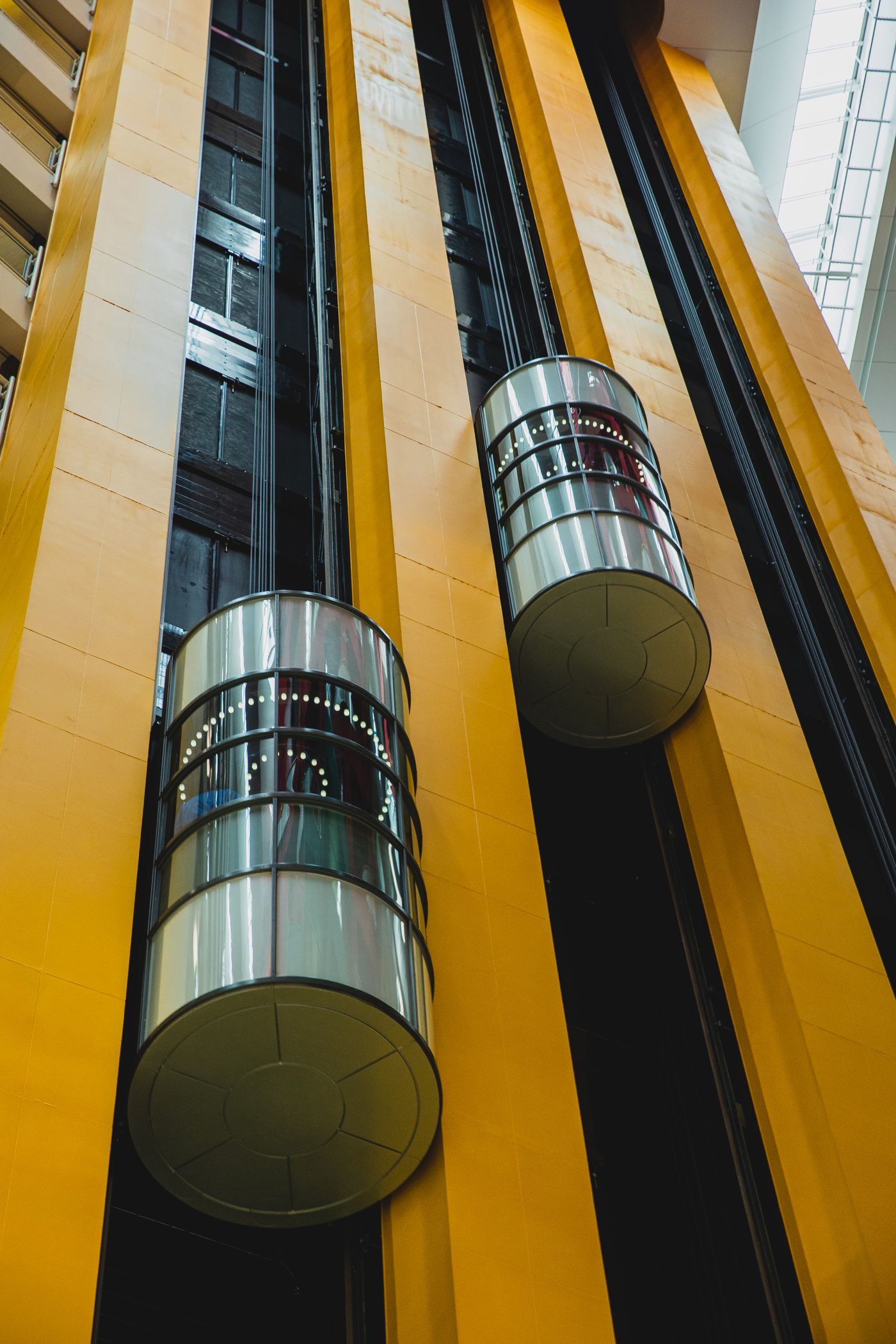
Multiple elevator systems integrated into a complete building installation

New elevator projects are controlled by system integration, not individual brand preferences

For a new elevator project, component selection begins with the complete elevator specification. Buyers sometimes create a preferred-brand list for the traction machine, controller, inverter, door operator, fixtures, and safety components before confirming whether those selections form a coherent system.

The decision driver is integration. The drive must suit the motor and control architecture. The machine must suit the suspension arrangement and performance requirements. The door system must match the car, landing arrangement, controller, and operating duty. Safety components must be selected within the applicable design and verification basis.

JAFITA’s company model is relevant because its uploaded materials describe a multi-category business supported by freight-elevator manufacturing, OEM cooperation, and long-term factory relationships. The company introduction names KONE and ThyssenKrupp in its OEM history and describes direct factory access developed through cooperation with brands including Hitachi and XIO LIFT.

That history supports coordinated sourcing, but it does not prove that every component category is manufactured by JAFITA or that every named brand is available for every order.
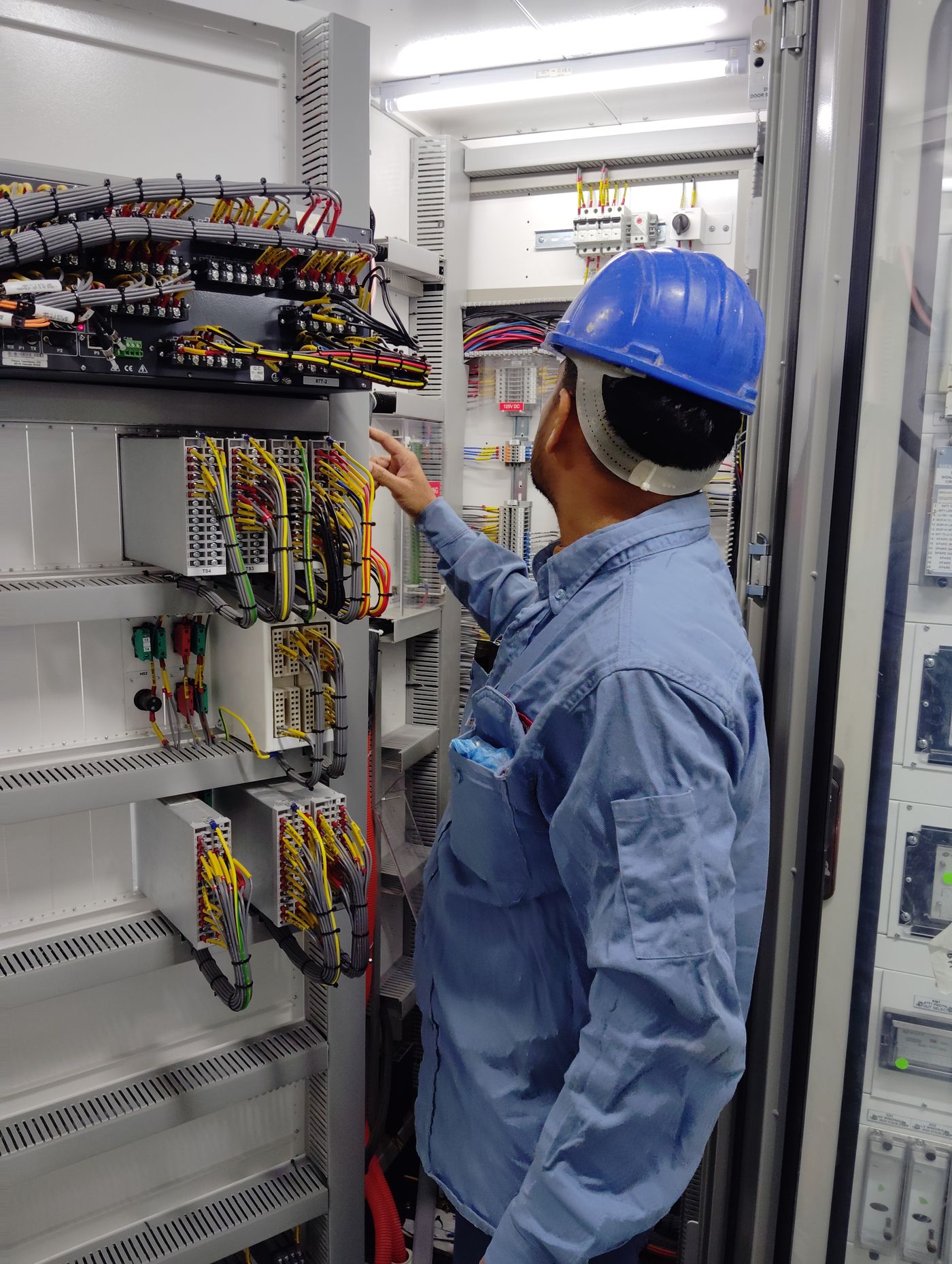
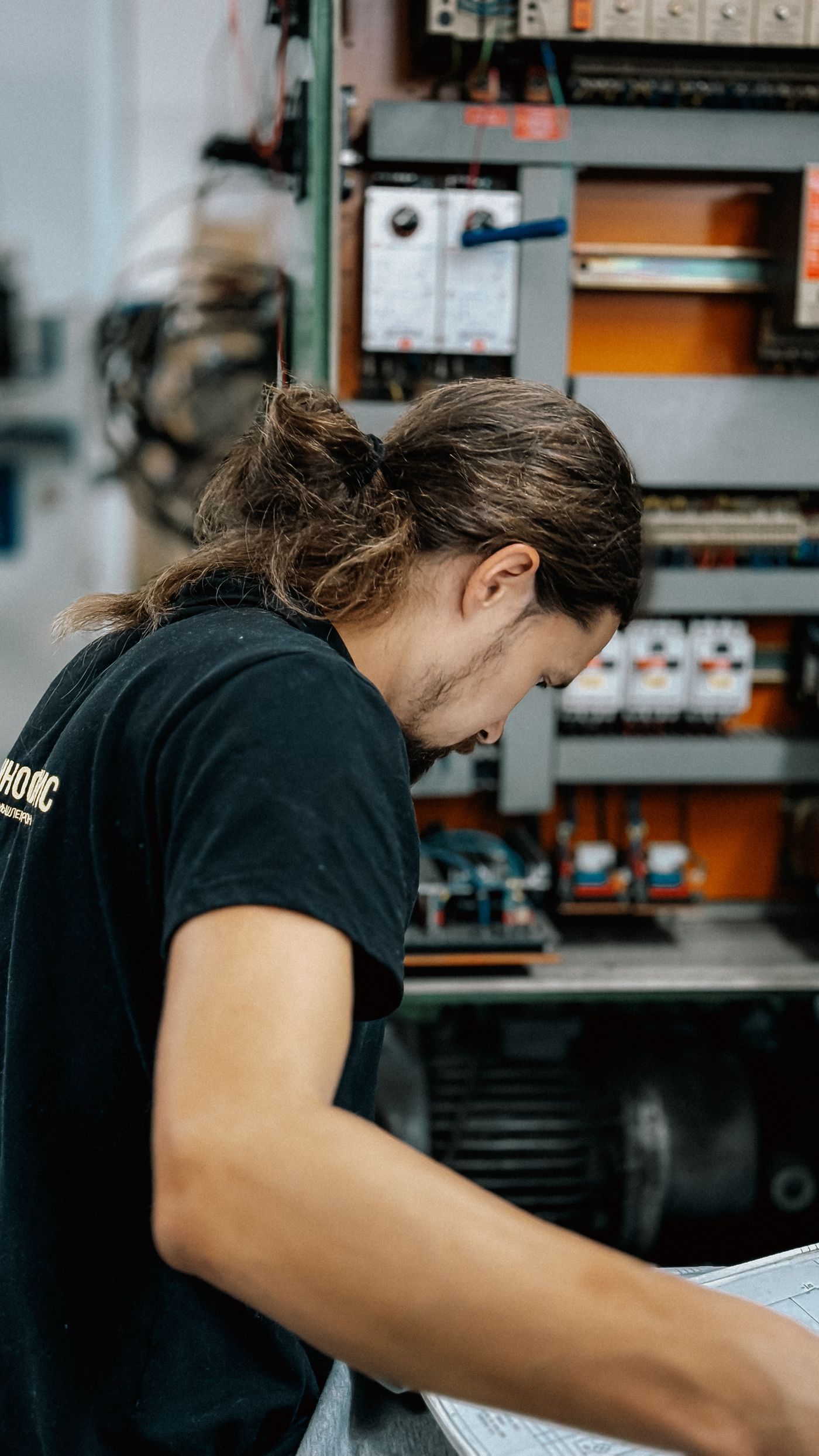
Technician verifying replacement components inside a control cabinet

Replacement parts are controlled by exact identity before an alternative is considered

For a maintenance company, the main decision is whether the required item is an exact replacement, a compatible alternative, or evidence that a broader modernization is needed.

An exact replacement is the simplest route when the same part number, revision, interface, and equipment application remain available. A compatible alternative requires technical review because an apparently equivalent product can change mounting, electrical connections, feedback devices, communication, programming, or certification.

Obsolescence changes the decision. If a substitute also requires a different inverter, encoder, fixture, or communication network, the job is moving beyond a single spare part into modernization.

JAFITA’s brochure presents lifecycle service support and an Engineering Service Team. For replacement enquiries, the practical task is to collect evidence, identify the component route, and distinguish a direct replacement from a system-level change.

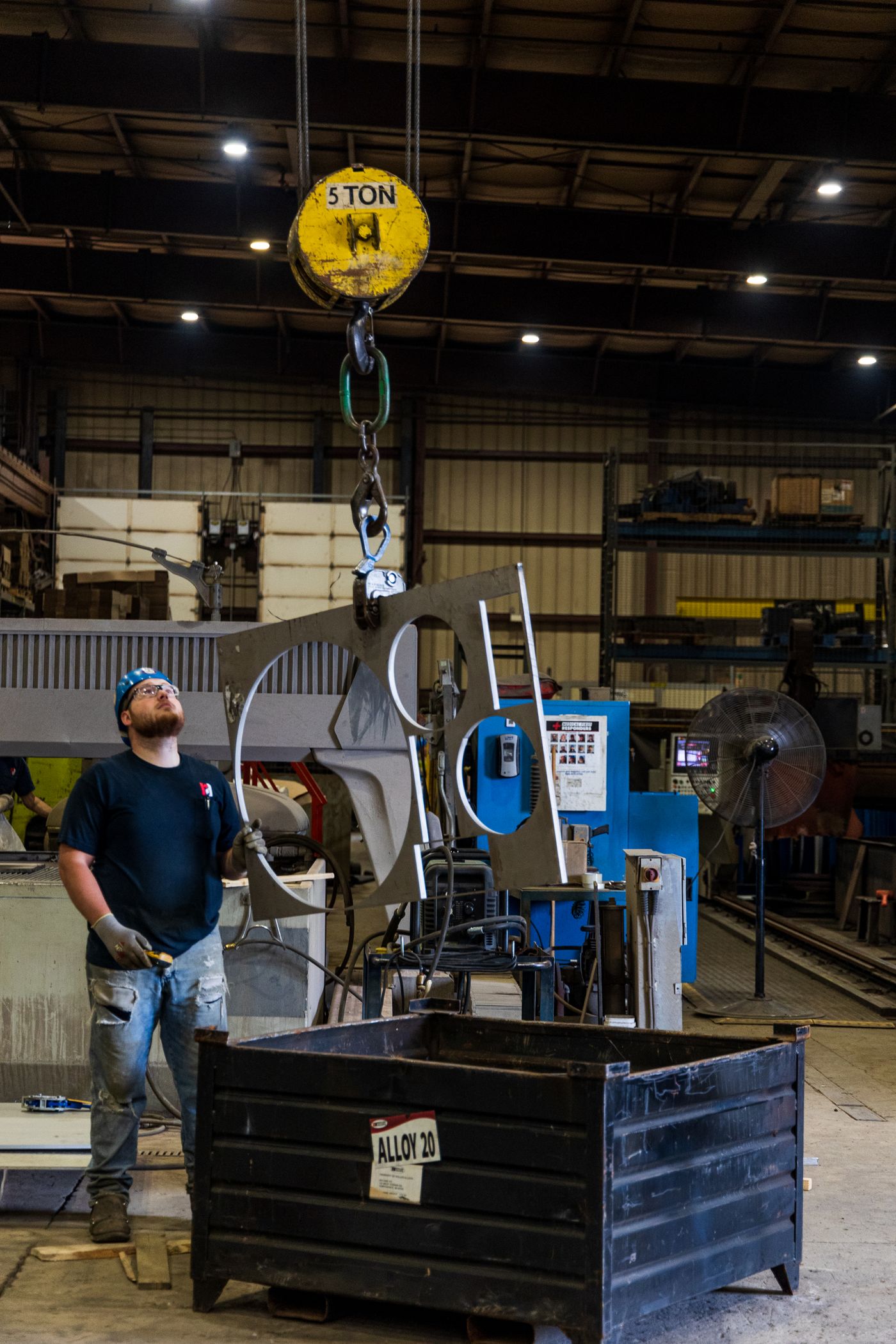
Heavy steel component fabrication for freight-duty equipment

Freight elevator components are controlled by duty and loading conditions

Freight elevators place particular demands on structural, door, and loading-related components because the equipment may handle carts, pallet trucks, machinery, vehicles, or concentrated loads.

JAFITA’s supplier evidence is strongest in this area. Company materials identify freight elevator production as a core manufacturing strength and describe long-term OEM work. The freight-elevator presentation also identifies a Safety Door Operator, High-strength Structure, and Door Light Curtain. The project documentation further records a one-million-cycle door-operator verification associated with this freight-elevator work.

That evidence is more useful than a generic claim that the company supplies elevator parts. It shows a direct relationship between JAFITA’s freight-elevator background and specific system elements used in that product category.

For a freight replacement, buyers should still define the original geometry, equipment model, duty, control interface, and mechanical arrangement before treating components as interchangeable.

Technician comparing drawings with retained electrical interfaces during modernization

Modernization components are controlled by the interfaces that remain

Modernization changes part of an elevator while retaining the rest. That makes compatibility more demanding than in a complete new installation.

If a controller changes but the traction machine remains, the new control and drive system must work with the existing motor, brake, encoder, doors, fixtures, safety circuits, and building interfaces. If a door operator changes while landing doors remain, the operator geometry, panel movement, controller interface, sensors, and clear opening must still match the retained equipment.

The decision driver is therefore the retained system. A buyer should list what will stay before asking what can be replaced.

Modernization should not be quoted from a photograph alone. The technical package should include drawings, component models, wiring information where available, site photographs, electrical data, and the modernization objective.

Supply Chain Consistency

OEM and distributor component programs are controlled by repeatability

For distributors and elevator companies, component sourcing can become a repeat purchasing program rather than a single maintenance order.

The decision driver changes from one-time compatibility to configuration control. A component that is technically acceptable for one project may still be unsuitable for a product line if its model changes between batches, documentation is inconsistent, or replacement continuity is poor.

JAFITA’s OEM history is relevant here. Its company materials state that freight-elevator OEM cooperation helped improve internal management and supply-chain coordination. Those same disciplines matter when a buyer wants repeat component configurations for branded elevator programs or ongoing project supply.

The program should preserve the approved model, source where relevant, revision, electrical configuration, mounting dimensions, documentation, and replacement reference. Changes should trigger review before the new version is treated as equivalent.

Navigation & System Architecture

Elevator Parts & Components category map

Website category What the buyer needs to identify first
Traction Machines Lift type, load and speed context, suspension arrangement, brake, encoder, sheave, mounting, motor and electrical data.
Control Systems Controller model, elevator architecture, I/O, safety circuits, communication network, software or revision information.
Inverters & Drives Motor type, voltage, current or power data, feedback device, control mode, communication and existing controller.
Door Systems Door type, clear opening, panels, operator model, motor, controller interface, sensors and mounting geometry.
Elevator Cabins Lift type, car dimensions, entrances, structural interfaces, materials, fixtures and finish requirements.
Car Frames & Counterweights Lift configuration, load, car mass, suspension, guides, structural dimensions and project drawings.
Guide Rails & Accessories Rail profile, dimensions, lift type, guide arrangement, clips, brackets and existing rail information.
Ropes, Belts & Suspension Suspension architecture, diameter or section, construction, terminations, sheave or pulley interface and equipment model.
Safety Components Exact device type, model, certification basis, mechanical interfaces and the lift system in which it operates.
COP, LOP & Displays Fixture model, dimensions, button or display arrangement, voltage, connectors, communication and language requirements.
Electrical Components Original part number, voltage, function, connectors, wiring and controller or subsystem relationship.
Hydraulic Components Hydraulic lift architecture, valve or pump data, cylinder and piping interfaces, pressure-related design information.
Escalator Components Escalator model, component location, dimensions, drive or control relationship, duty and original part number.
Spare Parts Original equipment identification, part number, nameplate, photographs, quantity and fault or replacement reason.
Custom Components Baseline component, required deviation, interface drawings, function, quantity and approval criteria.

This table is a navigation and identification framework. It does not claim that every component model within every category is manufactured, stocked, or certified by JAFITA.

Supplier Audit & Industrial Baseline

JAFITA component-related capability matrix

Capability Supplier evidence
Freight-elevator manufacturing foundation Company materials identify freight elevator production as a core strength.
OEM background JAFITA states that it has provided OEM services for multiple elevator brands.
Named OEM history Company introduction names KONE and ThyssenKrupp in long-term OEM cooperation.
Factory-resource network Company materials describe direct factory relationships developed through cooperation, including Hitachi and XIO LIFT.
Freight door system Freight-elevator materials identify a Safety Door Operator.
Door protection Freight-elevator materials identify a Door Light Curtain.
Freight structural capability Freight-elevator materials identify a High-strength Structure.
Door-operator verification Supplier documentation records one-million-cycle door-operator verification in the freight-elevator context.
International business JAFITA has been engaged in elevator export business since 2008.
Engineering and lifecycle support Company brochure presents an Engineering Service Team and lifecycle service support.
Company qualifications Company portfolio presents a Special Equipment Production License and ISO 9001, ISO 14001, and ISO 45001 management-system certifications.

JAFITA’s evidence is currently much stronger for freight-elevator systems and company-level supply coordination than for a published standalone component catalogue. That distinction should remain visible as the individual component pages are developed.

Pre-Ordering Protocol

Elevator component enquiries should provide evidence before asking for a substitute

For an existing elevator, send the elevator manufacturer, equipment model, project country, component name, original part number, nameplate photographs, full-component photographs, electrical data, dimensions, connector photographs, and required quantity. If drawings or wiring information are available, include them.

For a new project or OEM program, the enquiry should instead identify the elevator type, main technical configuration, intended component family, preferred architecture if already defined, quantity, destination market, and the documentation required for approval.

The technical sequence should remain disciplined. First identify the installed or intended system. Then establish which specifications make the component compatible. Only after those interfaces are clear should an exact model or alternative be commercially confirmed.

For international orders, this also reduces shipping risk because one incorrect part can trigger return freight, downtime, and repeat procurement.

Configuration Control

Elevator component supply risk is controlled by traceability and revision control

For repeat or project supply, the record should preserve the component model, source where relevant, revision, project reference, electrical configuration, drawings, and any approved substitution. Packaging identification should connect the physical item to the order record.

JAFITA has a freight-elevator manufacturing foundation and broader factory relationships developed through long-term cooperation. Component origin and configuration therefore need to remain explicit.

Company-level ISO certifications and the Special Equipment Production License support supplier qualification, but they do not prove compatibility or product certification for an individual component. Safety-related parts should be checked against the selected elevator, applicable code, and the evidence required in the destination market.

Technical & Procurement FAQ

Elevator Parts & Components FAQ

Elevator spare-part price depends on which information?

Price depends on the exact model, revision, electrical specification, quantity, source, certification or documentation needs, packaging, and shipping destination. A quotation based only on a photograph can be misleading because the technically correct item may belong to a different variant.

Can an elevator component be matched from a photograph?

A photograph is useful for initial identification but should not be the only basis for compatibility. Send the part number, nameplate, dimensions, connectors, electrical data, and elevator model whenever possible.

Can JAFITA supply an alternative when the original part is obsolete?

An alternative may be possible, but the interfaces that made the original part compatible must be reviewed first. If substitution changes several connected systems, the requirement may be a modernization project rather than a simple spare-part order.

Does JAFITA publish a fixed MOQ for elevator components?

The current supplier materials do not publish one universal component MOQ. Quantity, component type, sourcing route, customization, and packaging determine the commercial structure, so state the required quantity in the enquiry.

What determines lead time for elevator components?

Availability, exact model, revision, customization, quantity, source, technical confirmation, destination, and shipping method can all move the schedule. JAFITA does not publish one fixed component lead time across all categories.

Can component samples be ordered before a project order?

For many elevator parts, a sample is not technically useful unless it matches the actual system. For a custom fixture, finish, or other review item, sample availability should be confirmed against the component type and project requirement.

Which certification documents are required for elevator components?

The answer depends on the component, elevator type, destination market, and whether the item performs a safety function. ISO 8100-2:2026 addresses verification or calculation requirements for several lift components, while North American projects may fall under ASME A17.1/CSA B44 and related standards such as ASME A17.5/CSA B44.1 for electrical equipment.

How should elevator components be packed for export?

Packaging should protect the actual component against transport damage, moisture, impact, deformation, electrostatic or electrical risk where relevant, and loss of identification. The exact packing arrangement is product-specific and should be confirmed with the order rather than assumed from one company-wide standard.

Does JAFITA provide installation support for replacement components?

JAFITA’s brochure presents engineering and lifecycle support, but it does not establish a universal overseas installation commitment for every component. Installation, programming, commissioning, local inspection, and technician responsibilities should be agreed for the actual item and project.

How should spare parts be stored before use?

Storage depends on the component. Electronic boards, traction or suspension items, rubber or polymer parts, mechanical assemblies, and finished cabin components have different environmental and handling needs. Follow the selected product documentation and preserve the labels and original identification until installation.

Scope Boundaries & Engineering Demarcation

Elevator component scope ends where compatibility evidence is insufficient

This page is intended to organize component sourcing and technical identification. It should not imply that a visually similar part is an approved substitute or that every item under the website’s component navigation is currently manufactured or stocked by JAFITA.

The equipment owner and maintenance team must provide accurate installed-equipment information. Local contractors remain responsible for safe removal, installation, adjustment, testing, and inspection within their assigned scope. Proprietary software, communication protocols, discontinued products, and local approvals can limit replacement options.

Safety-related substitutions require particular care. ISO 8100-2:2026 covers verification and calculation requirements for multiple critical lift components, and the selected jurisdiction may require additional certification, testing, or authority approval.

JAFITA’s strongest documented component evidence currently comes from its freight-elevator manufacturing and OEM background, including the Safety Door Operator, Door Light Curtain, High-strength Structure, and one-million-cycle door-operator verification described in the supplier materials. Broader component categories should be developed from actual model data as those documents become available.

Send Your Component Requirements
Title tag: Elevator Parts & Components | JAFITA
Meta description: Identify JAFITA elevator parts by model, specification and system compatibility for new projects, modernization, OEM supply and replacement enquiries.

ALERTS — NOT PART OF THE PAGE. RESOLVE BEFORE PUBLISHING.

  • Current supplier evidence does not include a complete standalone component catalogue with models, specifications, brands, stock status, or certification scope for all 15 component subcategories.
  • The individual component pages must not imply JAFITA manufactures or stocks every listed category unless new supplier documents support that claim.
  • Before publishing the one-million-cycle door-operator statement on a standalone component page, retain the original test or brochure evidence with its test context and exact wording.