Use this page to decide whether an escalator or moving-walk component can match the original equipment geometry, location, drive or control relationship, operating duty, safety function, and retained system without turning a spare-part order into a wider modernization project.
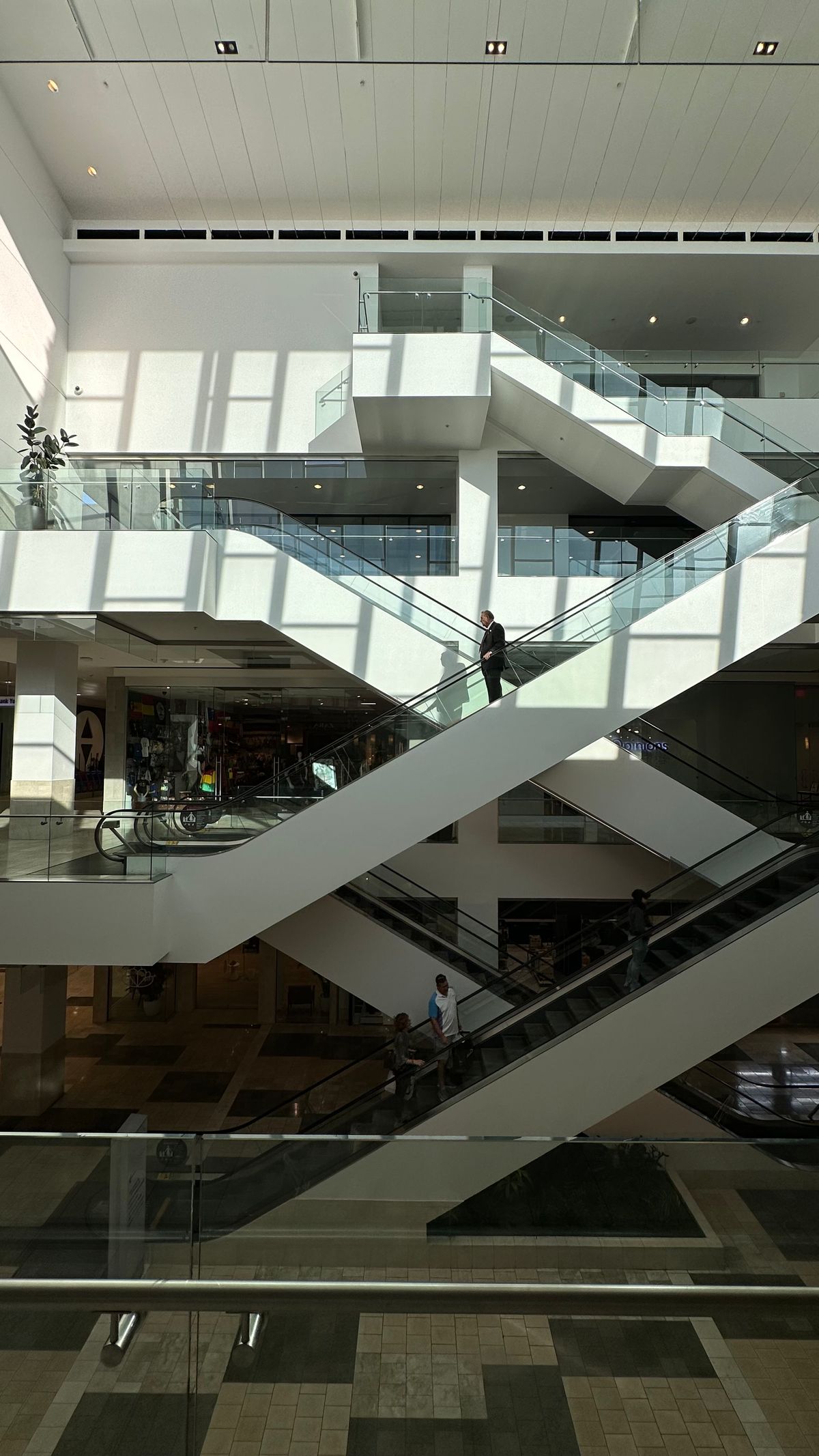
Escalators and moving walks are continuous transportation systems. Their components operate in a fixed geometric relationship from one landing to the other.
A step does not work independently from the step chain, rollers, tracks, comb plate, skirt system, and drive. A handrail does not work independently from the handrail drive, guide profile, tensioning system, return path, entry device, and balustrade. A brake does not work independently from the drive machine and control system. A comb plate does not work independently from the step or pallet geometry and landing arrangement.
That is why “same size” is usually an incomplete spare-parts specification.
A replacement step can share the same nominal width but differ in axle geometry, roller positions, cleat profile, riser interface, chain connection, or track relationship. A handrail can share the same visible width but differ in internal construction, guide profile, friction characteristics, splice method, and compatibility with the handrail drive. A controller board can look identical while using a different revision, software, communication method, or safety circuit.
The second failure is to ignore component location. Escalators contain components at the upper landing, lower landing, incline, return path, drive station, tension station, balustrade, skirt, step band, handrail system, and truss. A part from the upper drive area cannot be identified correctly from a photograph that does not show where it belongs.
The third failure is to ignore duty. A commercial escalator in a shopping center and a rail-transit escalator can share visible dimensions but have different operating hours, passenger loading, environmental exposure, structural requirements, maintenance strategy, and component specification.
JAFITA’s current brochure makes this distinction explicitly: it presents Commercial transportation escalator/walkway separately from Rail transit heavy load escalator/walkway. That is useful supplier evidence because it shows that JAFITA does not treat every escalator application as one equipment class. The current materials do not publish component-level model ranges for either category.
Before selecting a component, identify the escalator or moving walk itself.
The core fields are:
JAFITA’s existing component framework identifies the same decision logic for this category: escalator model, component location, dimensions, drive or control relationship, duty, and original part number should be known before a substitute is considered.
After the complete unit is identified, the component specification should be divided into four layers.
Record dimensions, mounting points, axle or shaft positions, hole patterns, profiles, clearances, interface surfaces, and relationship with adjacent components.
Identify what the component actually does—drive, guide, carry, stop, detect, support, tension, protect, communicate, or provide a passenger interface.
Identify the components it works with. A step may depend on the chain and track. A motor depends on the gearbox, brake, drive chain, controller, and electrical supply. A sensor depends on the target, controller input, wiring, and safety logic.
Record the manufacturer, model, original part number, markings, revision, drawings, electrical data, certificates or verification documents where applicable, and any previously approved replacement.
A technically useful comparison follows this order: unit identity first, installed location second, functional and system interfaces third, exact part number last.
Escalator steps are part of a moving step band.
A step replacement should identify more than nominal width.
Record:
A step that physically fits the chain can still be wrong if its rollers do not follow the track correctly or if the tread and comb geometry do not match.
Damage history matters as well. If multiple steps show abnormal roller wear, cracks, impact marks, or uneven movement, replacing the step may treat the symptom rather than the cause. Track alignment, chain condition, roller condition, foreign-object damage, landing geometry, or maintenance issues may need to be checked.
For repeat projects, retain the approved step drawing and part number rather than ordering from width alone.
The current JAFITA materials do not publish step models, widths, axle dimensions, materials, or load ratings.

The step chain links the step band to the drive system.
A replacement should identify:
A chain with the same pitch is not automatically interchangeable.
Attachment geometry, roller dimensions, side plates, pin arrangement, sprocket tooth form, and the step connection all matter. The replacement should also be reviewed as a set where the escalator design requires matched chains.
If chain wear is advanced, sprocket condition should be reviewed before new chains are installed. A worn sprocket can create poor engagement and accelerate wear of the replacement chain.
The current JAFITA materials do not publish step-chain models, pitch ranges, allowable elongation, breaking loads, materials, or maintenance intervals.
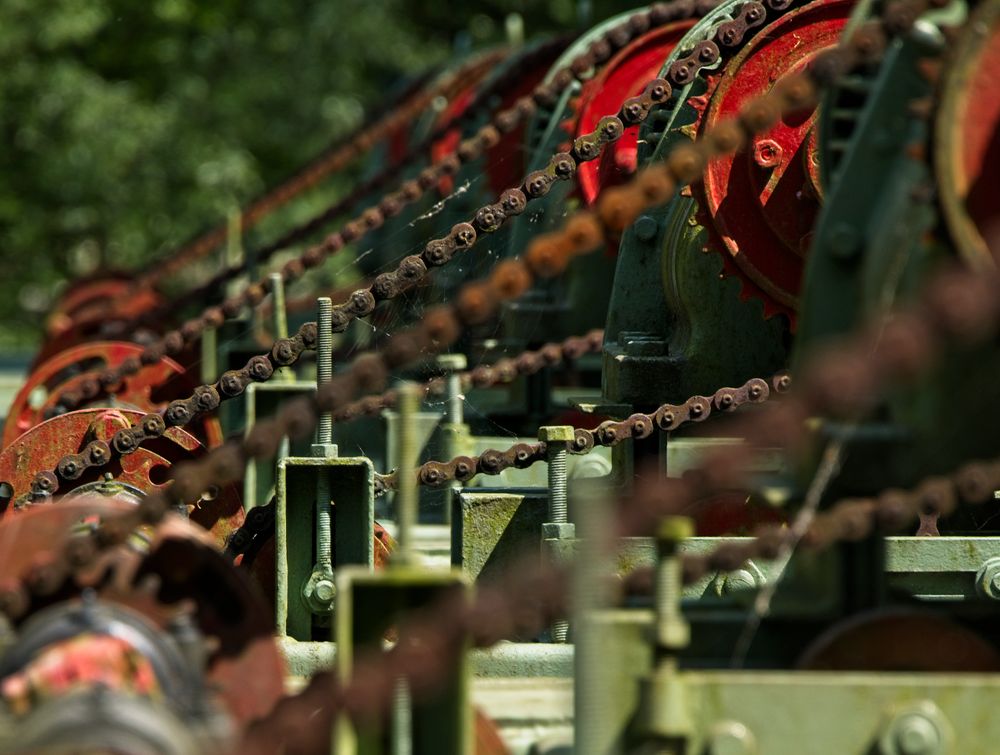
Rollers appear simple but directly affect step guidance, vibration, and movement through the track system.
Important fields include:
A replacement roller should not be selected only from outside diameter.
Differences in bearing, hub offset, tread width, material, or axle interface can change how the step runs through transitions and curves. Uneven roller wear can also indicate a track or chain problem rather than a roller-only issue.
For rail-transit duty, operating hours and repeated loading may make roller consistency and maintenance strategy especially important, but the current JAFITA materials do not publish transit-specific roller specifications.
Tracks determine the path followed by steps, pallets, and rollers.
They control transitions at the landings, incline geometry, return path, and the relationship between successive steps or pallets.
For replacement or repair, record:
A short damaged track section cannot be treated as generic steelwork. The working surface has to continue the approved geometry of the step or pallet path.
If a track is worn because rollers, chains, or alignment are incorrect, replacing only the track can recreate the same problem.
The current JAFITA materials do not publish track profiles, tolerances, transition geometry, or replacement-track models.
The handrail moves with the passenger transportation system and has a defined relationship with the balustrade and handrail drive.
For replacement, identify:
A handrail should not be selected from visible width and color alone.
The internal profile controls how it runs on the guide. Its construction affects flexibility and drive behavior. The length has to match the complete return path and tension range. A replacement that creates excessive slip, heat, noise, or tension can point to a mismatch with the drive or guide system.
If the handrail shows localized damage, check handrail entry devices, guide surfaces, foreign-object conditions, tension, and drive alignment before assuming the handrail alone caused the problem.
The current JAFITA materials do not publish handrail cross-sections, materials, lengths, colors, or product models.
The handrail drive transmits motion to the handrail, while the tensioning system maintains the operating condition required by the selected design.
Depending on the architecture, the system can include:
These are industry component categories, not confirmed JAFITA-specific product families.
For a replacement enquiry, provide the handrail profile, complete drive arrangement, dimensions, shaft and bearing data, spring or tensioning information, and photographs showing how the assembly interacts with the handrail.
Replacing only one wheel can be inappropriate if adjacent rollers or the handrail itself are already worn.
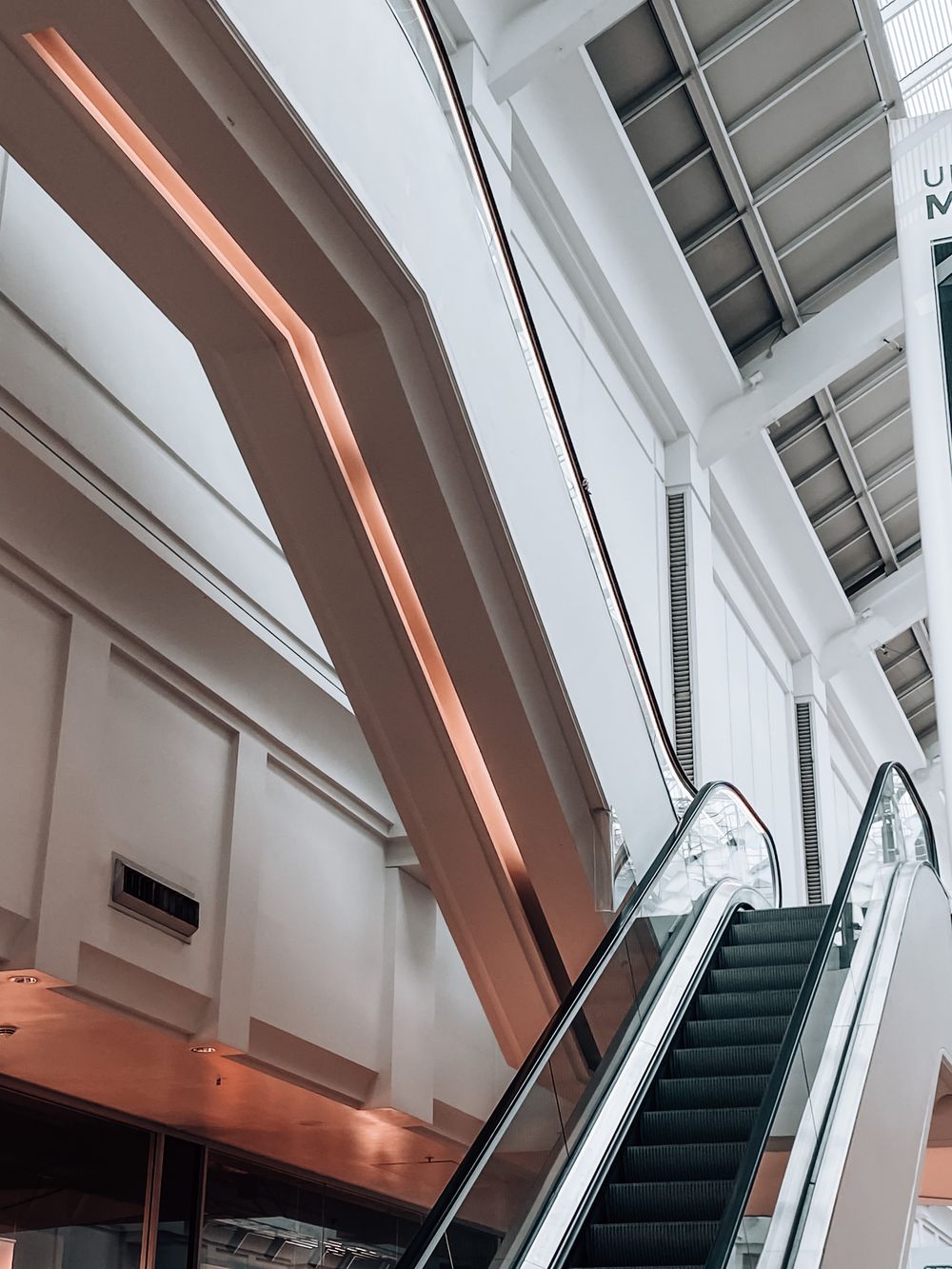
The escalator drive machine has to move the complete step or pallet band and passenger load through the approved drive architecture.
A replacement should identify:
Motor power alone is not enough.
A replacement motor or geared machine must match mechanical speed, torque, gearbox, brake, sprocket or chain relationship, control method, electrical supply, mounting, and duty.
Transit projects can have a different operating profile from commercial installations. JAFITA explicitly distinguishes a rail-transit heavy-load escalator/walkway category, but its current materials do not publish motor power, gearbox, drive-machine, speed, duty, or rise ranges for that category.
The main drive chain transfers torque within the escalator drive system in architectures that use this arrangement.
Identify:
Chain and sprocket condition should be reviewed together.
A new chain operating on heavily worn sprockets can develop poor engagement or accelerated wear. Changing sprocket tooth count or diameter can also alter the drive relationship and should not be treated as a simple replacement.
The current supplier materials do not publish JAFITA main-drive-chain or sprocket specifications.
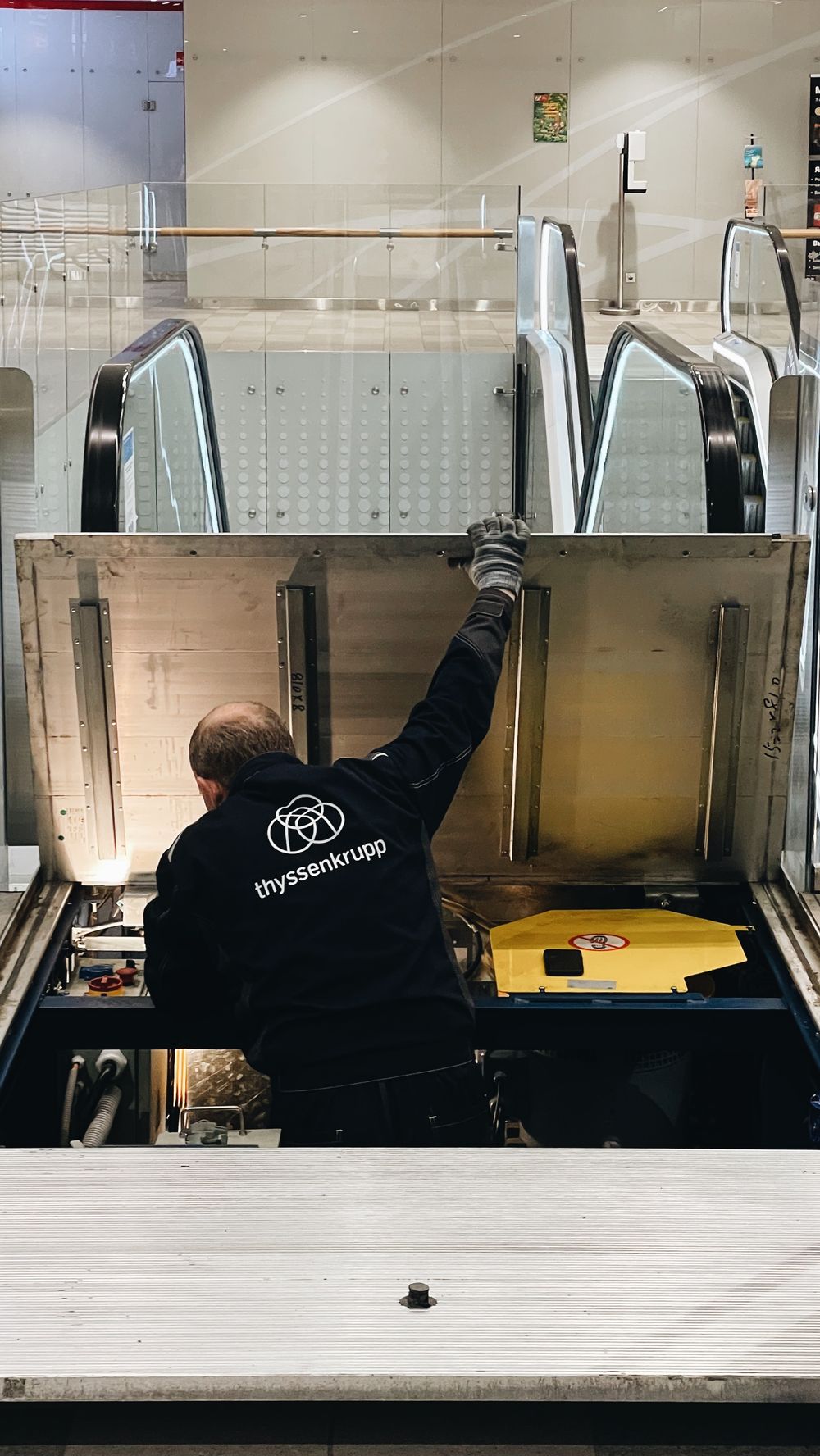
Escalator braking components should be treated within the complete drive and safety architecture.
A replacement enquiry should identify:
A brake with the same mounting dimensions is not automatically equivalent.
The current international safety framework is ISO 8103-1:2024, which applies to new escalators and moving walks and addresses significant hazards associated with their intended use and reasonably foreseeable misuse. The exact brake architecture and safety-device requirements must remain tied to the selected product and destination market.
North American projects commonly use ASME A17.1/CSA B44, which covers the design, construction, installation, operation, inspection, testing, maintenance, alteration, and repair of escalators and related conveyances.
The current JAFITA materials do not publish escalator brake models, torque values, coil voltages, or certification scope.
The comb area is where the moving step or pallet surface enters or leaves the landing.
A replacement should identify:
A comb segment should not be matched from color and overall length.
The tooth pattern has to correspond to the step or pallet cleats. Mounting and landing geometry must also match the existing comb plate.
Repeated comb damage can indicate foreign-object impact, incorrect clearance, step or pallet damage, track or chain problems, or landing misalignment. The root cause should be inspected before repeated replacement.
The current JAFITA materials do not publish comb-plate or comb-segment models.
Skirt panels form the stationary surfaces beside the moving steps.
Replacement or refurbishment should record:
The skirt is not only an architectural finish. Its geometry and condition affect the passenger interface beside the step band.
A replacement panel should preserve the approved geometry and any interfaces with brushes, deflectors, switches, or other protective devices included in the selected escalator design.
The current JAFITA supplier documents do not publish skirt-panel materials, dimensions, finishes, or accessory models.
The balustrade defines the passenger-side enclosure and supports or integrates the handrail system depending on the design.
For replacement, identify:
Glass panels should not be sourced solely from visible dimensions. Mounting, edge treatment, hole or notch geometry, material specification, and the complete balustrade design matter.
Likewise, decorative decking pieces can have mechanical interfaces with handrail guides, lighting, entry areas, or panel supports.
JAFITA’s current escalator materials do not publish balustrade systems, glass specifications, decking models, or finish ranges.
Escalators contain switches and sensors used for operation, monitoring, and safety functions.
Industry examples can include devices associated with:
These are industry examples only and should not be presented as JAFITA-specific standard equipment without product documentation.
For replacement, identify: exact function, manufacturer, model, supply voltage, contact/signal type, NO/NC behavior, mounting, target geometry, connector, wiring, controller input, safety-circuit relationship, original part number, and verification documentation.
A switch with the same physical actuator can still be incompatible if its electrical behavior or safety role differs.
The escalator controller coordinates the drive, brake, operating commands, inspection controls, safety circuits, indicators, sensors, and other electrical functions.
A board replacement should capture:
A board with the same part number but different revision may or may not be directly compatible.
ISO’s escalator and moving-walk standards family also includes ISO 8102-6:2019 for programmable electronic systems in safety-related applications for escalators and moving walks (PESSRAE). This illustrates why safety-related electronic replacements need more discipline than ordinary auxiliary boards.
The current JAFITA materials do not publish escalator controller models, protocols, I/O capacity, software, firmware, or safety-board ranges.
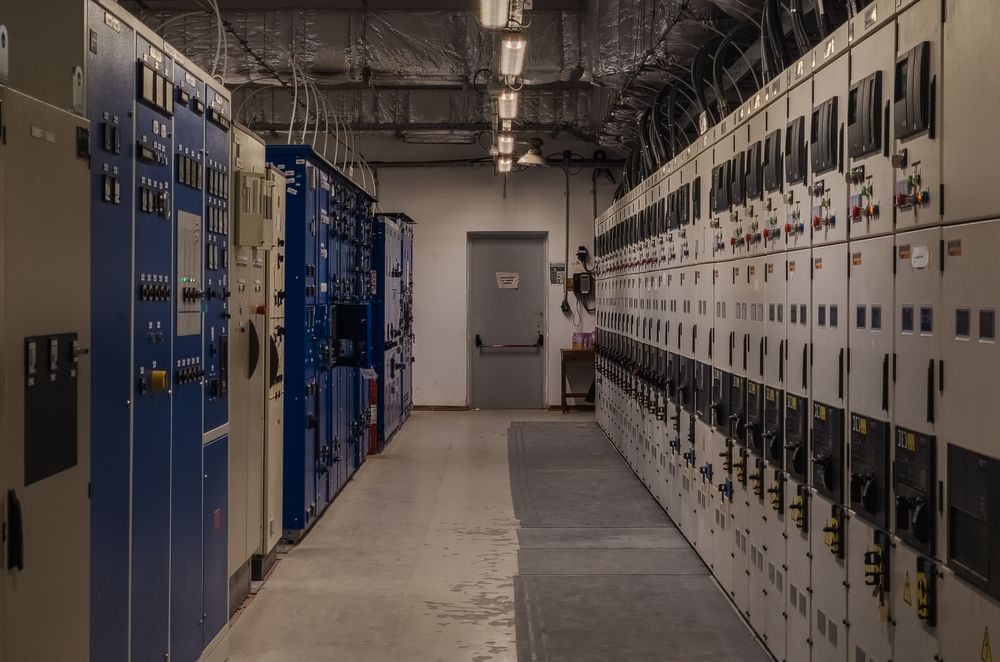
JAFITA presents a Commercial transportation escalator/walkway category.
For component sourcing, the useful implication is not that all commercial escalators use one standard component platform. It is that the operating environment should be identified before a replacement is selected.
Commercial applications can involve:
Duty can vary significantly between them.
Record operating hours, directional pattern, peak periods, cleaning method, indoor or outdoor exposure, shutdown windows, and maintenance access.
For a repeat commercial project, preserve the complete approved unit and component record instead of assuming that a component from another commercial escalator is interchangeable.
JAFITA separately presents a Rail transit heavy load escalator/walkway category.
This distinction is one of the most important supplier-specific facts available for this page. It supports the statement that transit equipment is treated as a separate application direction in JAFITA’s current portfolio.
It does not establish JAFITA-specific transit component ratings.
For a rail, metro, or station project, component review should include:
A commercial replacement part should not be treated as transit-duty simply because its dimensions match.
The current JAFITA documents do not publish transit-specific component life, duty cycles, material grades, environmental ratings, or maintenance intervals.
JAFITA’s brochure groups escalators and moving walks under commercial transportation and rail-transit categories, but the Moving Walk page notes that current supplier documents do not specify whether the represented moving-walk offerings are pallet type, belt type, or both.
That distinction is essential for component sourcing.
A pallet moving walk can use a pallet band, pallet chain, rollers, tracks, combs, handrails, drive equipment, and associated safety systems. A belt-type moving walk uses a different passenger-carrying surface and mechanical architecture.
Do not order a “moving walk component” until the equipment architecture is identified.
For a moving-walk spare-part enquiry, provide the exact model, carrying-surface type, component location, dimensions, drive/control relationship, operating environment, and original part number.

Escalator modernization often retains the truss and parts of the building interface while replacing mechanical and electrical systems.
That creates an interface problem similar to elevator modernization but over the entire travel length.
Begin with a retained-versus-replaced matrix:
| System | Retain or replace? | Required interface check |
|---|---|---|
| Truss | — | Geometry, supports, corrosion, distortion, access |
| Tracks | — | Profile, alignment, step/roller compatibility |
| Steps | — | Chain, roller, track and comb interfaces |
| Step chains | — | Sprockets, attachments, pitch, tension |
| Drive machine | — | Mounting, speed, torque, brake, controller |
| Main drive chain | — | Sprockets, center distance, guarding |
| Handrails | — | Guide profile, drive, tension, entry geometry |
| Handrail drive | — | Handrail profile, speed, mounting |
| Balustrade | — | Handrail, decking, panels, safety devices |
| Comb plates | — | Step/pallet geometry, mounting, detection |
| Controller | — | Drive, brake, sensors, safety circuits |
| Electrical wiring | — | New I/O, devices, communication |
| Safety devices | — | Function, location, verification basis |
Existing-building replacement adds structural constraints. JAFITA’s escalator page already establishes that original drawings should be supported by field verification because truss pockets, support points, slab openings, ceiling geometry, surrounding finishes, transport routes, and shutdown constraints can limit the replacement configuration.
If the retained truss cannot support the proposed modernization architecture, the project may need a wider replacement rather than a component-only solution.
For an existing escalator or moving walk, send:
For steps, chains, rollers, tracks, handrails, combs, or other mechanical parts, include a dimensional drawing or marked photograph.
For motors, brakes, sensors, controllers, or electrical boards, include readable nameplates, wiring information, voltage, connectors, and controller relationship.
For a modernization project, send the retained-versus-replaced system matrix together with the existing truss and building drawings.
| Capability | Supplier evidence |
|---|---|
| Escalator category | Escalators are included in JAFITA’s current business scope and brochure. |
| Moving Walk category | Moving Walks are included in the current product portfolio. |
| Commercial equipment direction | Brochure presents Commercial transportation escalator/walkway. |
| Rail-transit equipment direction | Brochure separately presents Rail transit heavy load escalator/walkway. |
| Component sourcing framework | JAFITA’s component architecture identifies Escalator Components by escalator model, component location, dimensions, drive/control relationship, duty, and original part number. |
| Project supply model | JAFITA operates across multiple elevator categories and uses long-term factory relationships for categories beyond its freight-elevator manufacturing foundation. |
| International business | JAFITA has been engaged in elevator export business since 2008. |
| Engineering support | Current company brochure presents an Engineering Service Team. |
| Lifecycle support | Current company brochure presents lifecycle service support. |
| Company qualifications | Company portfolio presents a Special Equipment Production License and ISO 9001, ISO 14001, and ISO 45001 management-system certifications. |
| Transportation project context | Current company portfolio includes transportation-environment references such as Beijing Daxing International Airport, Beijing Capital Airport, and Beijing West Railway Station; current materials do not publish escalator quantities or technical schedules for those references. |
The current JAFITA materials do not publish a standalone escalator-component catalogue.
They do not provide model-level data for steps, step chains, rollers, tracks, handrails, handrail drives, drive machines, main drive chains, sprockets, brakes, comb plates, skirt panels, balustrades, sensors, controllers, or moving-walk pallets/belts.
That evidence boundary should remain visible on the published page.
A repeat part should be traceable to the exact escalator or moving walk.
Preserve:
JAFITA’s escalator supply model differs from its freight-elevator manufacturing foundation. The current materials place escalators and moving walks within a broader multi-category supply structure supported by long-term industry and factory relationships.
That means component origin and approved supply route should remain explicit. A repeat order should not imply that every escalator component is manufactured in JAFITA’s own facility.
JAFITA’s export activity since 2008, Engineering Service Team, and lifecycle support provide a basis for technical coordination and later component enquiries. They do not establish universal spare-parts stock, fixed component life, warranty, MOQ, or delivery time.
For the buyer, the useful question is: Can the proposed escalator component be traced to the exact unit, installed location, geometry, duty, drive/control relationship, safety function, and approved replacement record?
Price can change with exact equipment model, component type, original part number, dimensions, material, mechanical or electrical interfaces, duty, quantity, source, documentation, destination, and shipping method. Compare quotations only after the technical identity is aligned.
The current JAFITA materials do not publish one universal MOQ for escalator components. Component category, quantity, sourcing route, customization, packaging, and shipping arrangement can change commercial terms.
No fixed component lead time is published. Exact part identification, technical verification, source, quantity, customization, documentation, destination, and shipping method can all affect schedule.
No. Step axle geometry, rollers, chain attachment, tread and riser geometry, track relationship, comb interface, and original model also need to match.
No. Roller dimensions, side plates, attachment geometry, link count, sprockets, tensioning, step connection, and original equipment configuration also matter.
Not by those fields alone. Internal construction, guide profile, total length, drive relationship, tensioning, splice method, entry geometry, and original system information should also be confirmed.
Do not assume so. Duty, operating hours, environmental exposure, materials, drive requirements, safety architecture, and project specifications can differ even when visible dimensions are similar. JAFITA’s own brochure separates commercial transportation from rail-transit heavy-load escalator/walkway categories.
The step itself may be the only part requiring replacement, but the cause of damage should still be checked. Abnormal roller wear, impact, chain condition, track alignment, or comb geometry can create repeated damage if left unresolved.
Possibly, but hardware revision, firmware/software, I/O, connectors, communication, drive relationship, safety circuits, and connected devices should also be verified.
ISO 8103-1:2024 is the current published international standard for safety requirements for new escalators and moving walks within its stated scope. A second edition is under development, so project teams should verify the edition required at the time of procurement.
ASME A17.1/CSA B44 is the principal North American safety-code framework for elevators and escalators, subject to adoption by the applicable jurisdiction.
No. ISO 8102-6:2019 addresses programmable electronic systems in safety-related applications for escalators and moving walks. Safety-related replacements should therefore preserve the required function, architecture, verification basis, and configuration.
Not in the current supplier materials. Component model claims should be added only from actual JAFITA or approved supplier technical documentation.
JAFITA’s materials present an Engineering Service Team and lifecycle support, but they do not establish one universal installation commitment for every component order. Mechanical installation, alignment, wiring, programming, adjustment, testing, inspection, and local acceptance responsibilities should be defined for the project.
This page supports sourcing and technical identification for escalator and moving-walk steps, pallets, chains, rollers, tracks, handrails, handrail drives, drive machines, main drive chains, sprockets, brakes, comb plates, skirt panels, balustrades, sensors, controllers, and related components.
It does not create a universal JAFITA escalator-component range or confirm interchangeability from appearance, nominal width, or a partial part number.
Escalator components operate inside a continuous transportation system. Their suitability can depend on rise, inclination, step or pallet geometry, speed, drive system, tracks, chains, handrails, brakes, controls, safety devices, truss, operating duty, environment, and destination-market requirements.
ISO 8103-1:2024 applies to new escalators and moving walks within its stated scope and addresses significant hazards associated with their intended use and reasonably foreseeable misuse. ASME A17.1/CSA B44 provides the principal North American safety-code framework, subject to local adoption. ISO’s related standards also address safety-related electronic systems and other escalator/moving-walk technical topics.
Existing escalators require additional care because current standards may not apply to them in the same way as newly manufactured equipment. Retained trusses, building openings, supports, and older component architectures can limit replacement choices.
Local installation, adjustment, alignment, testing, inspection, maintenance, and regulatory acceptance remain the responsibility of the parties assigned to those functions under the project and jurisdiction.
