
01 · OEM & Custom Manufacturing
Elevator Supply Built Around Your Product and Market
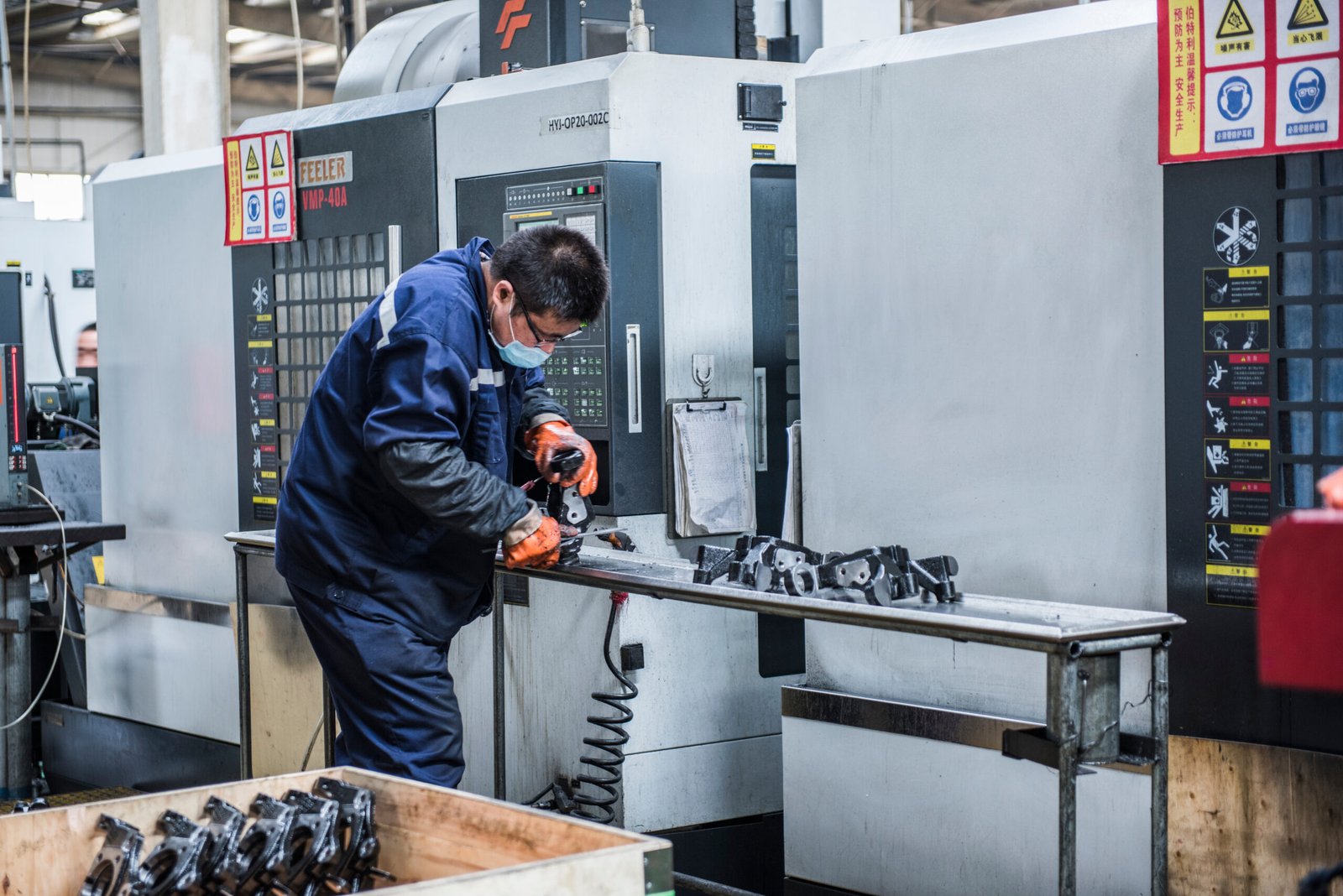
JAFITA’s OEM capability is rooted in freight elevator manufacturing. Over years of production and cooperation with elevator companies, we have developed practical experience in working to defined specifications, coordinating components, managing customized configurations and maintaining consistency across repeat orders.
Today, this experience supports elevator companies, distributors, contractors and project buyers looking for OEM, private-label and project-specific elevator solutions from China. Our company materials identify freight elevator manufacturing as a core strength and document long-term OEM cooperation with established international elevator companies.
- OEM
- Private-label
- Project-specific
02 · More Than Putting a Logo on an Elevator
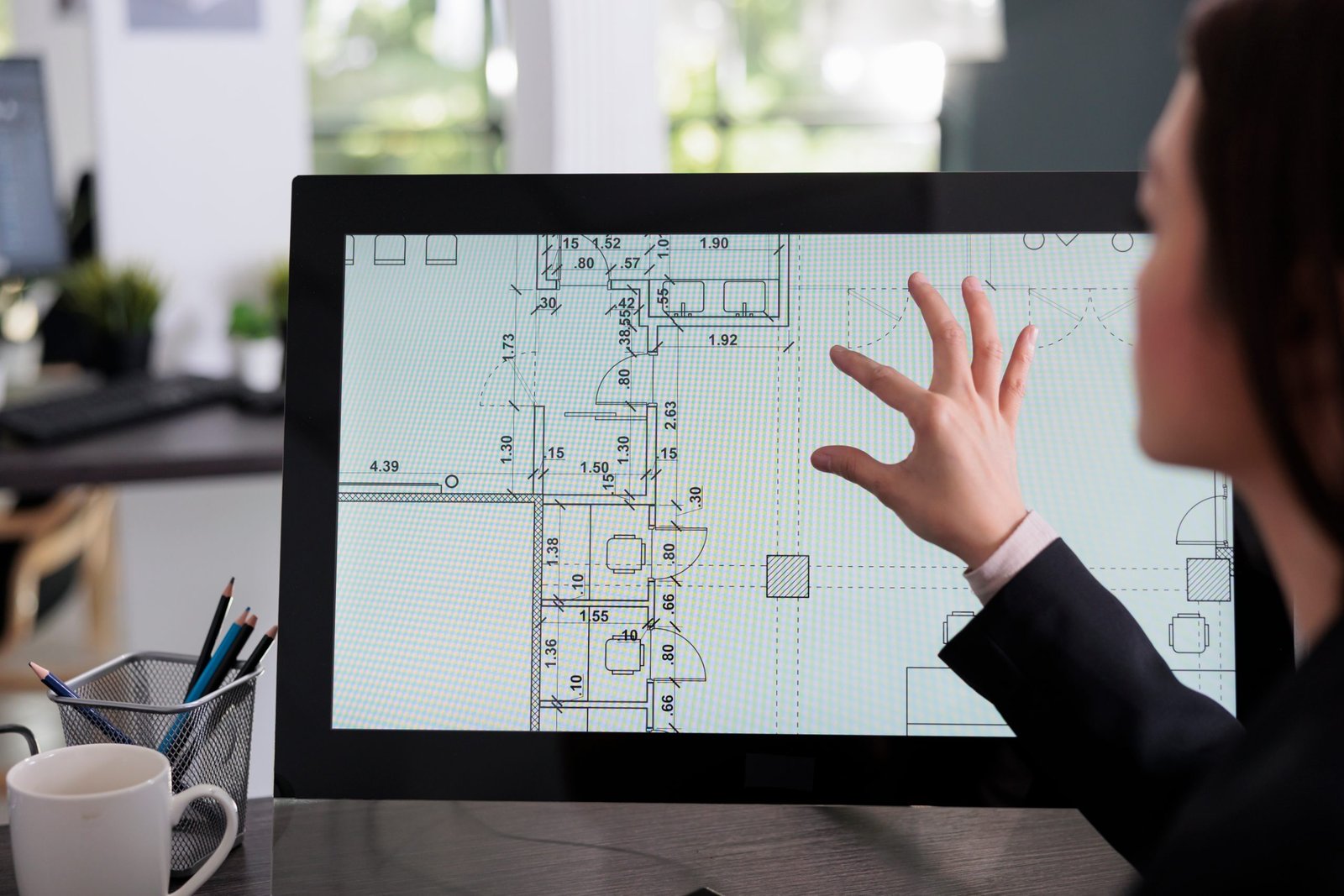
OEM Starts with the Product Specification
Private-label supply is often presented as a branding exercise. For elevators, it is much more technical. Before branding, the equipment itself must be clearly defined.
- Product category
- Rated load and speed
- Travel height and stops
- Entrance arrangement
- Hoistway conditions
- Drive and door systems
- Controller and safety
- Cabin specification
- Electrical requirements
- Destination market
Only after the technical platform is confirmed should branding, finishes, packaging and documentation be finalized. JAFITA approaches OEM projects as product-development and supply projects, not simply label replacement.
03 · Built on Freight Elevator OEM Experience
Manufacturing Experience Behind the Service
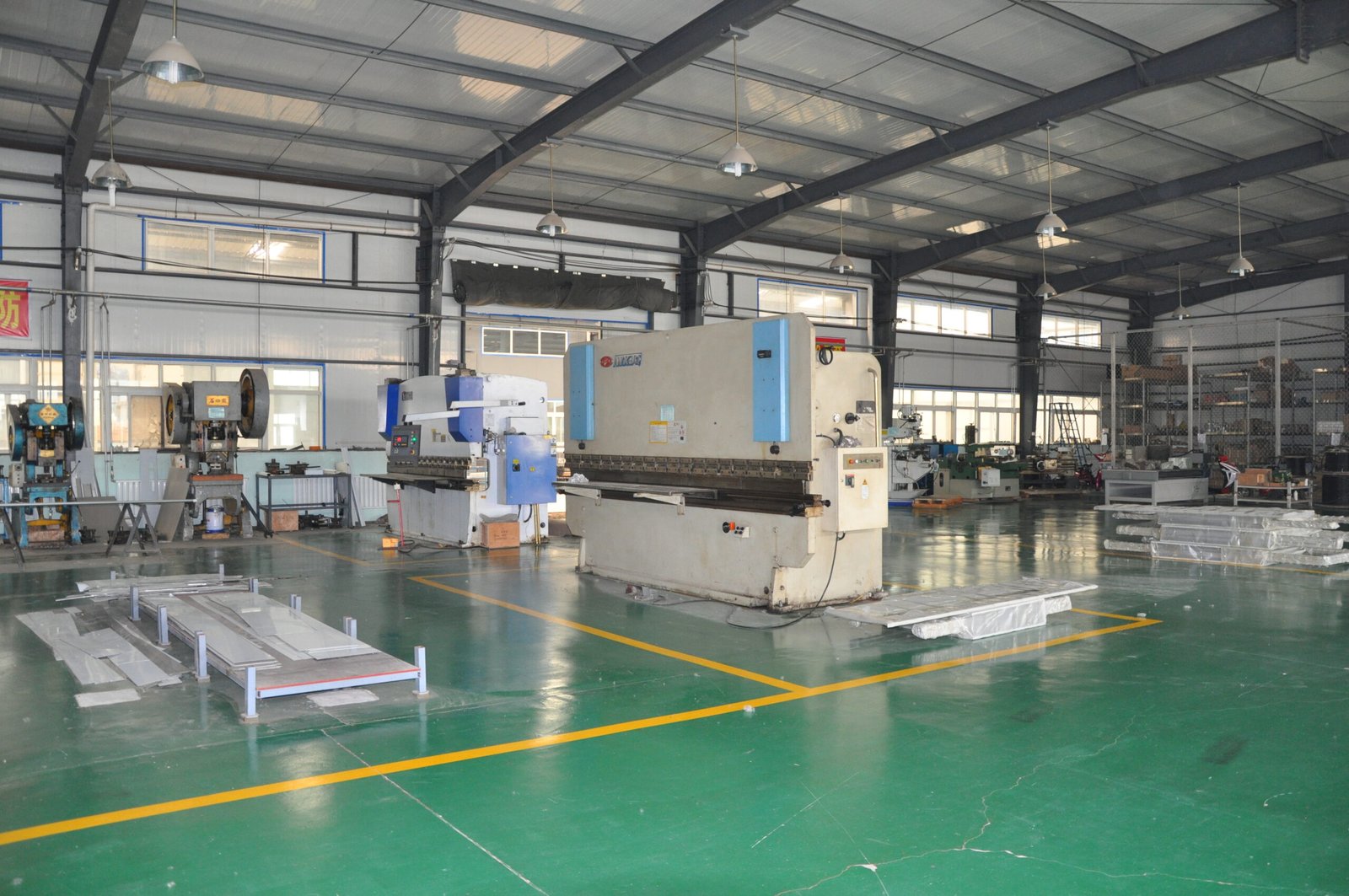
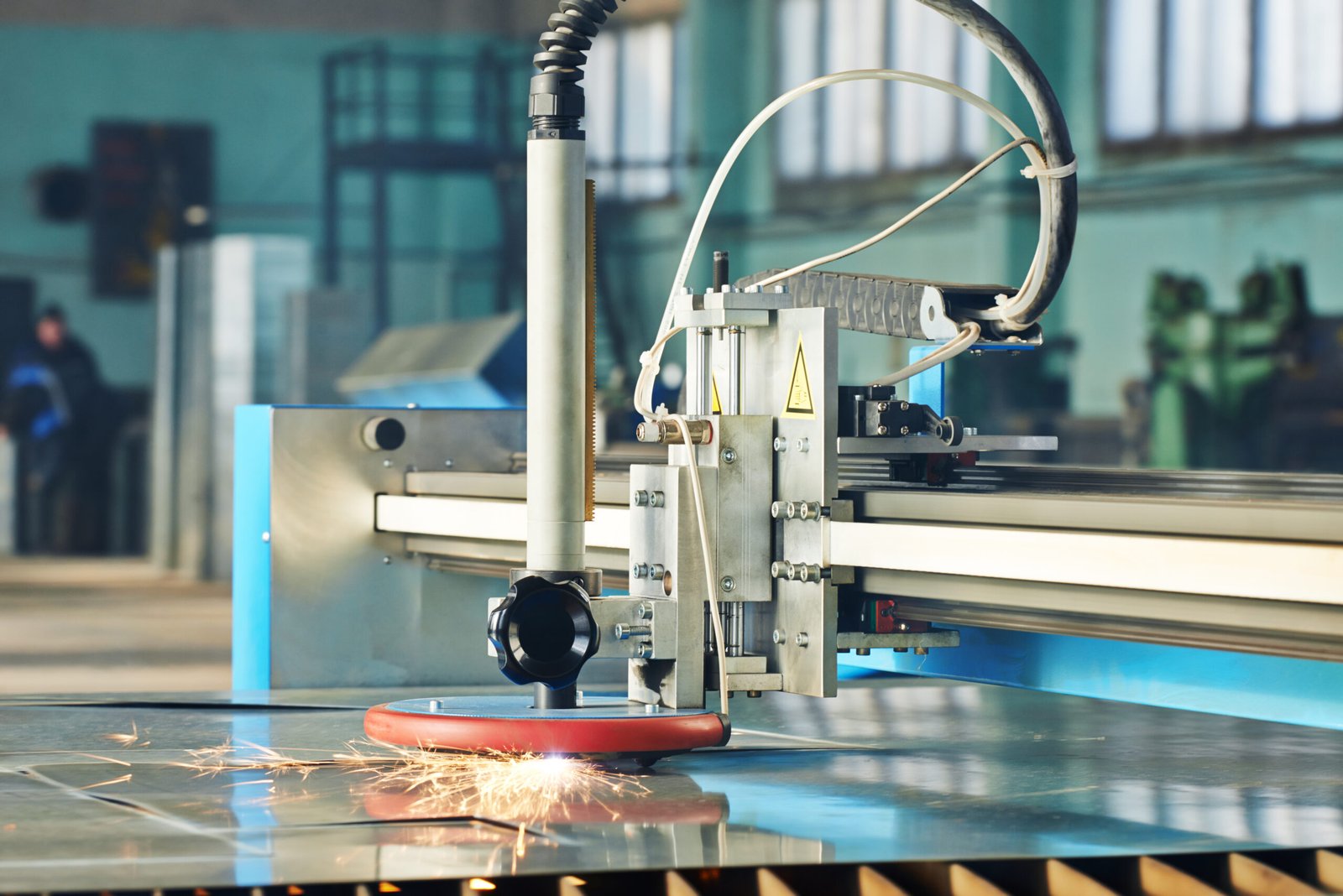
Freight elevators became an important manufacturing foundation in JAFITA’s development. Producing this type of equipment requires close coordination between rated load, car structure, car frame, platform, door system, loading conditions, traction system, controller and safety components.
This experience enabled JAFITA to provide OEM services to other elevator companies and develop long-term industry relationships. Those projects also helped strengthen:
Specification Control
Keeping the manufactured product aligned with the approved technical configuration.
Component Coordination
Ensuring major systems are selected and integrated according to the agreed product platform.
Production Communication
Maintaining a clear link between customer requirements and manufacturing.
Repeat-Order Consistency
Using confirmed configurations as the basis for subsequent orders where applicable.
Supply-Chain Management
Coordinating different suppliers and manufacturing resources around the finished product.
04 · OEM Solutions for Different Buyers
OEM Solutions for Different Buyers
OEM programs can be shaped around the buyer’s role — a product range, an extra category, a project configuration or a regional brand — rather than a single catalogue offer.
Elevator Distributors
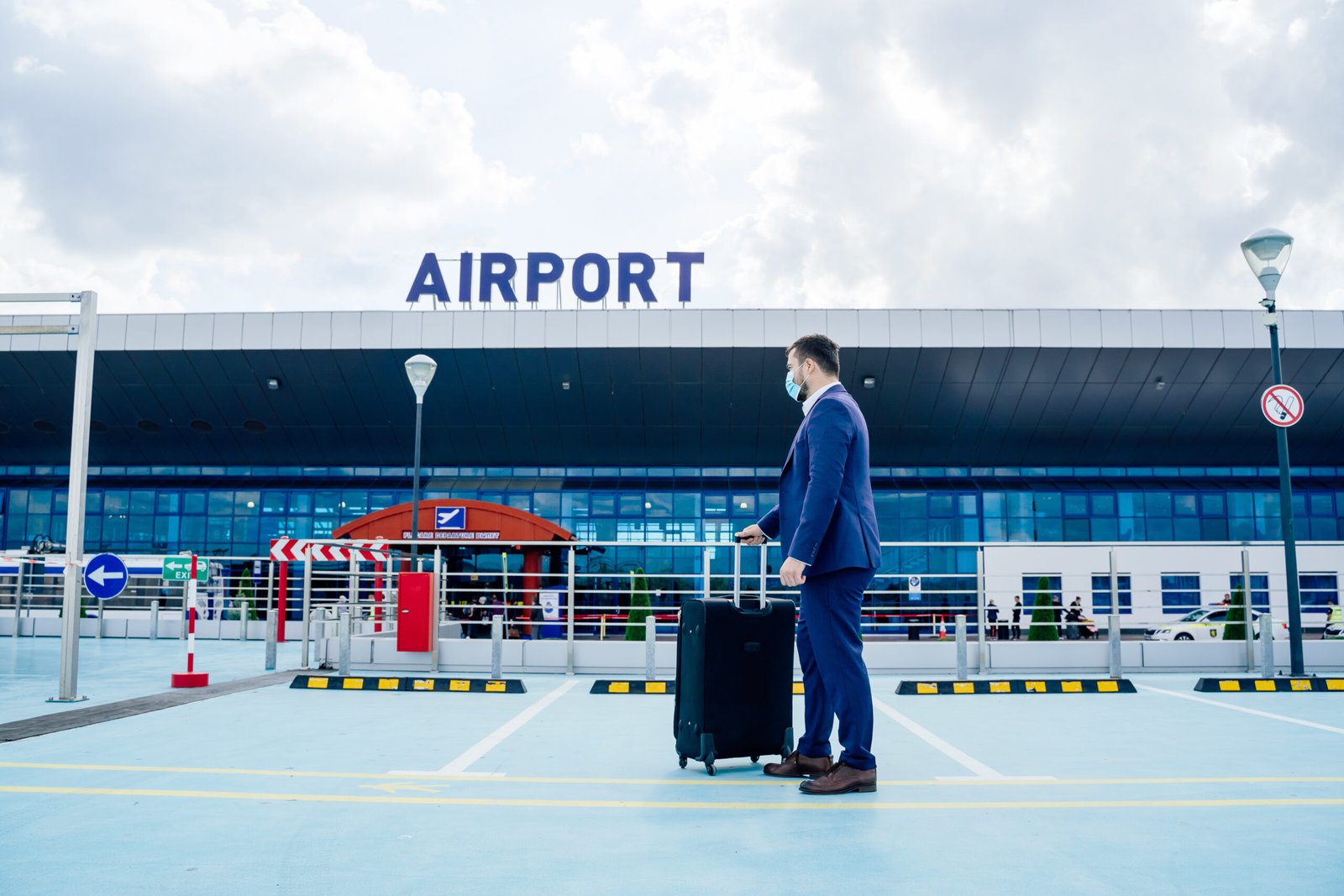
For distributors that want to build or expand a product range under their own commercial identity. Programs can be developed around target applications, local market positioning and recurring purchasing requirements.

Elevator Companies
For companies that need additional product categories, customized equipment or manufacturing capacity outside their existing range.
Contractors & EPC Companies
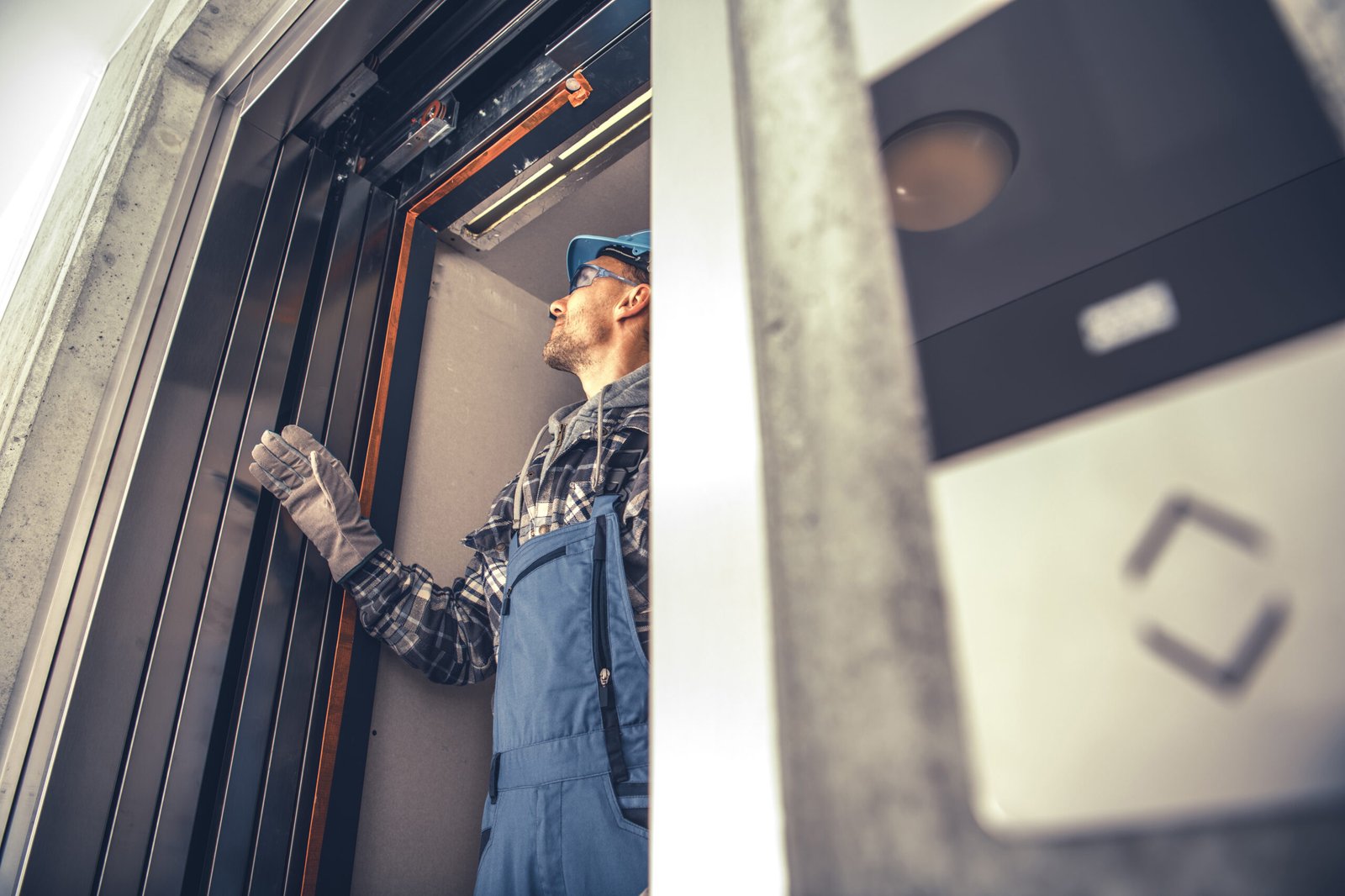
For projects requiring specific technical configurations, finishes, documentation or product identification.

Regional Elevator Brands
For brands looking to develop complete elevator products without establishing a manufacturing platform for every product category.
Project Buyers
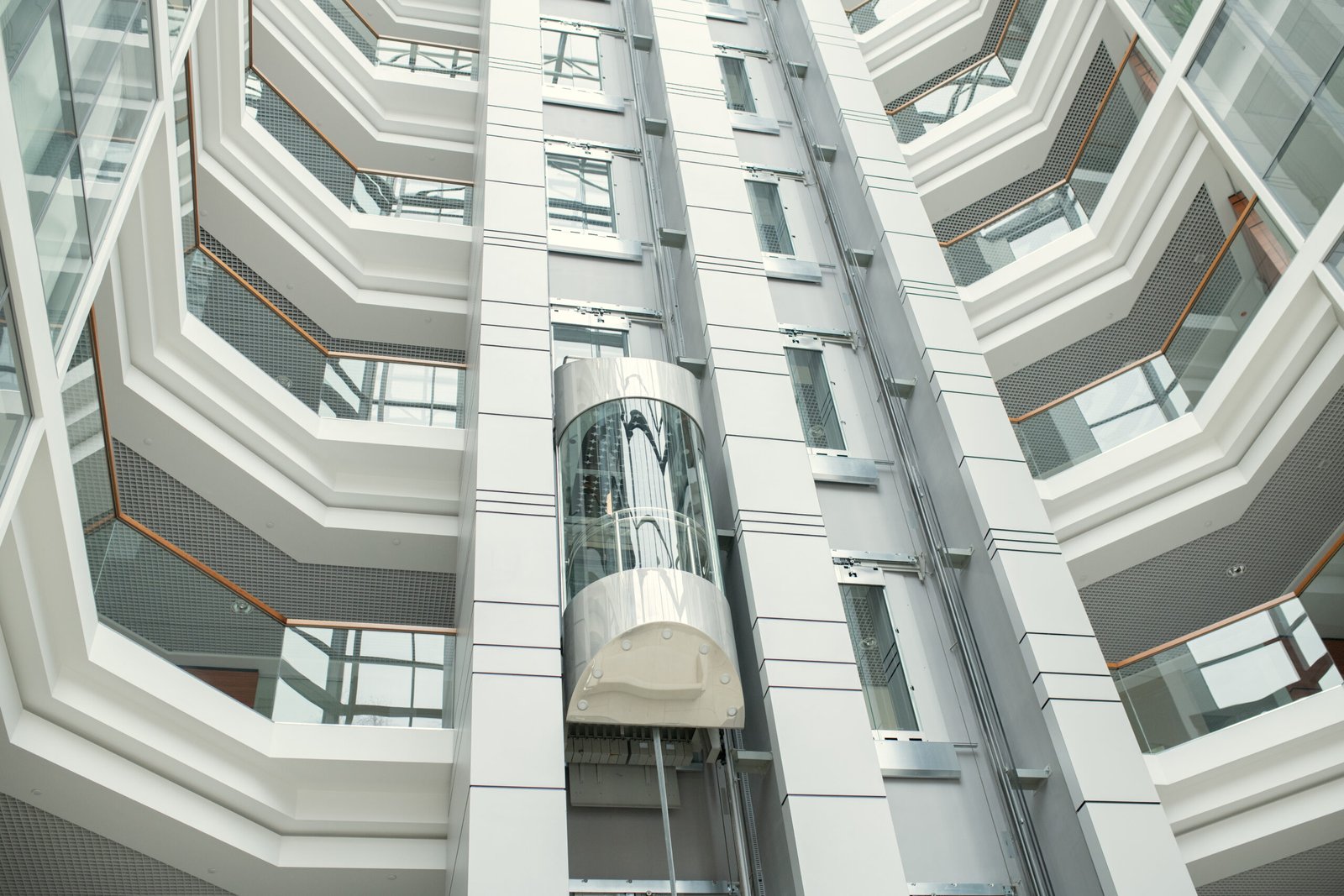
For larger projects requiring customized configuration or coordinated production according to an approved specification.
05 · What Can Be Customized?
Configuration, Cabin, Fixtures and Identification
The exact customization scope depends on the selected product platform, quantity and technical requirements. Available options are reviewed against technical feasibility — not selected from a finish catalogue alone.
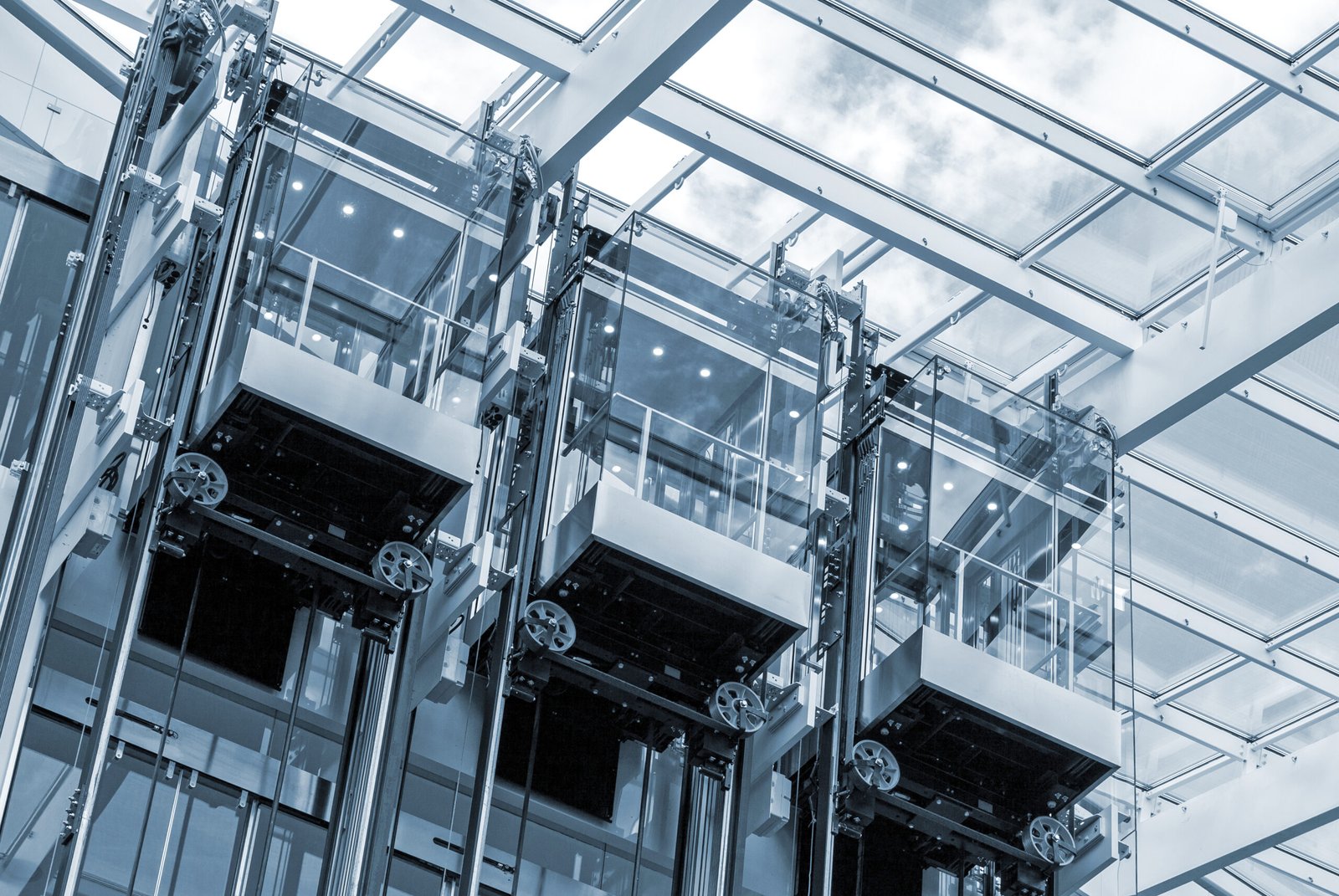
Product Configuration
- Rated load
- Rated speed
- Car dimensions
- Door dimensions
- Entrance arrangement
- Drive configuration
- Control functions
- Operating modes
- Electrical configuration
Cabin Design
- Wall materials
- Ceiling
- Flooring
- Handrails
- Lighting
- Mirrors
- Car-door finish
- Decorative elements
Operating Fixtures
- COP design
- LOP design
- Display style
- Button configuration
- Branding
- Language
Product Identification
- Brand name
- Product nameplate
- Equipment labels
- Packaging identification
- Documentation branding
Branding is confirmed after the technical platform — not instead of it.
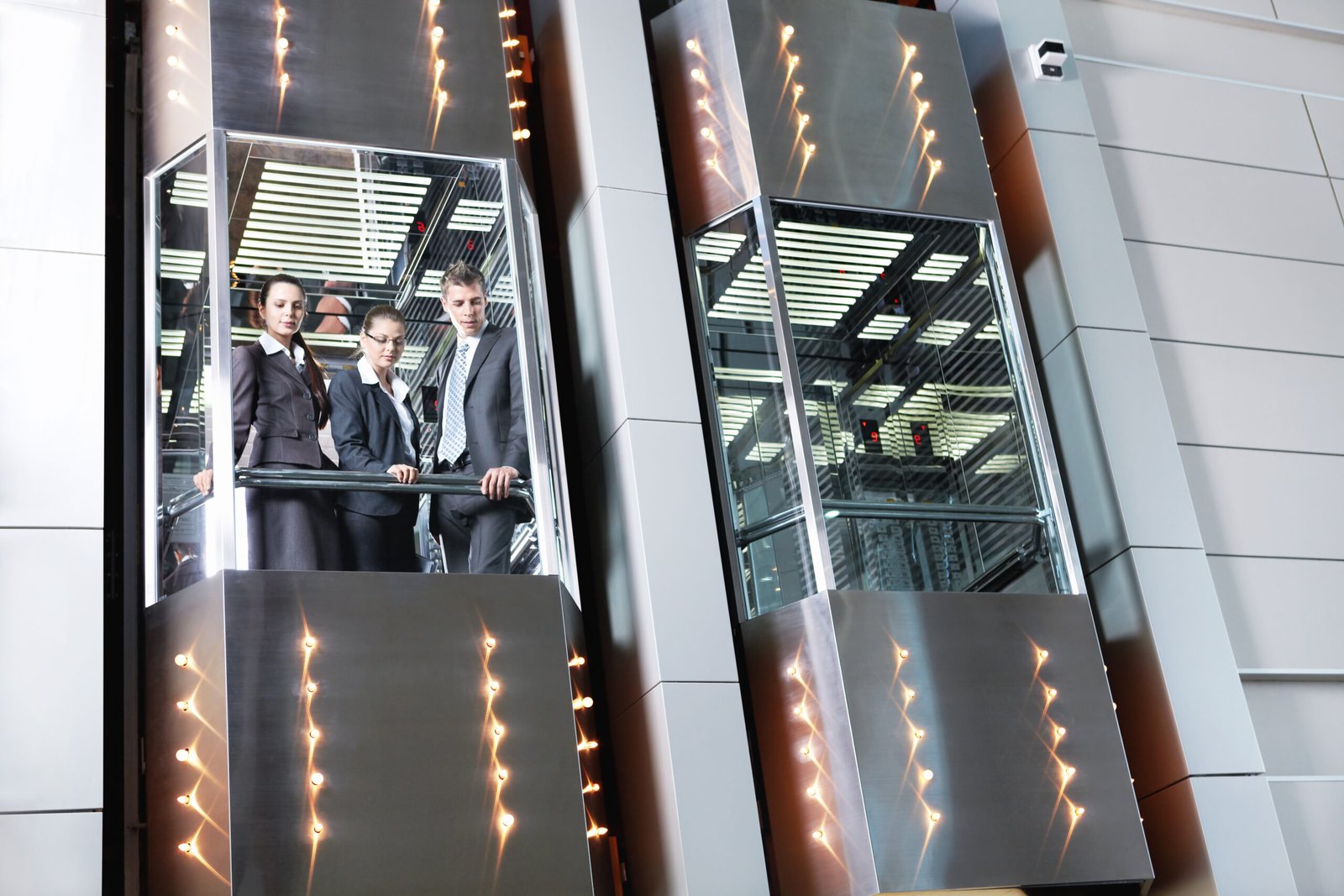

Your brand in the market. A defined product behind it.
06 · Private-Label Supply
Your Brand in the Market. A Defined Product Behind It.
For distributors and regional elevator companies, a successful private-label program needs consistency. Customers should be able to reorder the same product configuration without redefining the equipment every time.
For repeat cooperation, key information can be organized around an approved configuration:
- Product series
- Main technical parameters
- Major component configuration
- Cabin specification
- Door configuration
- COP and LOP
- Finish selections
- Branding requirements
- Packaging marks
- Documentation requirements
This creates a clearer reference for future quotations and repeat orders.
07 · Multi-Category OEM Supply
Your Product Portfolio Does Not Have to Stop at One Elevator Type
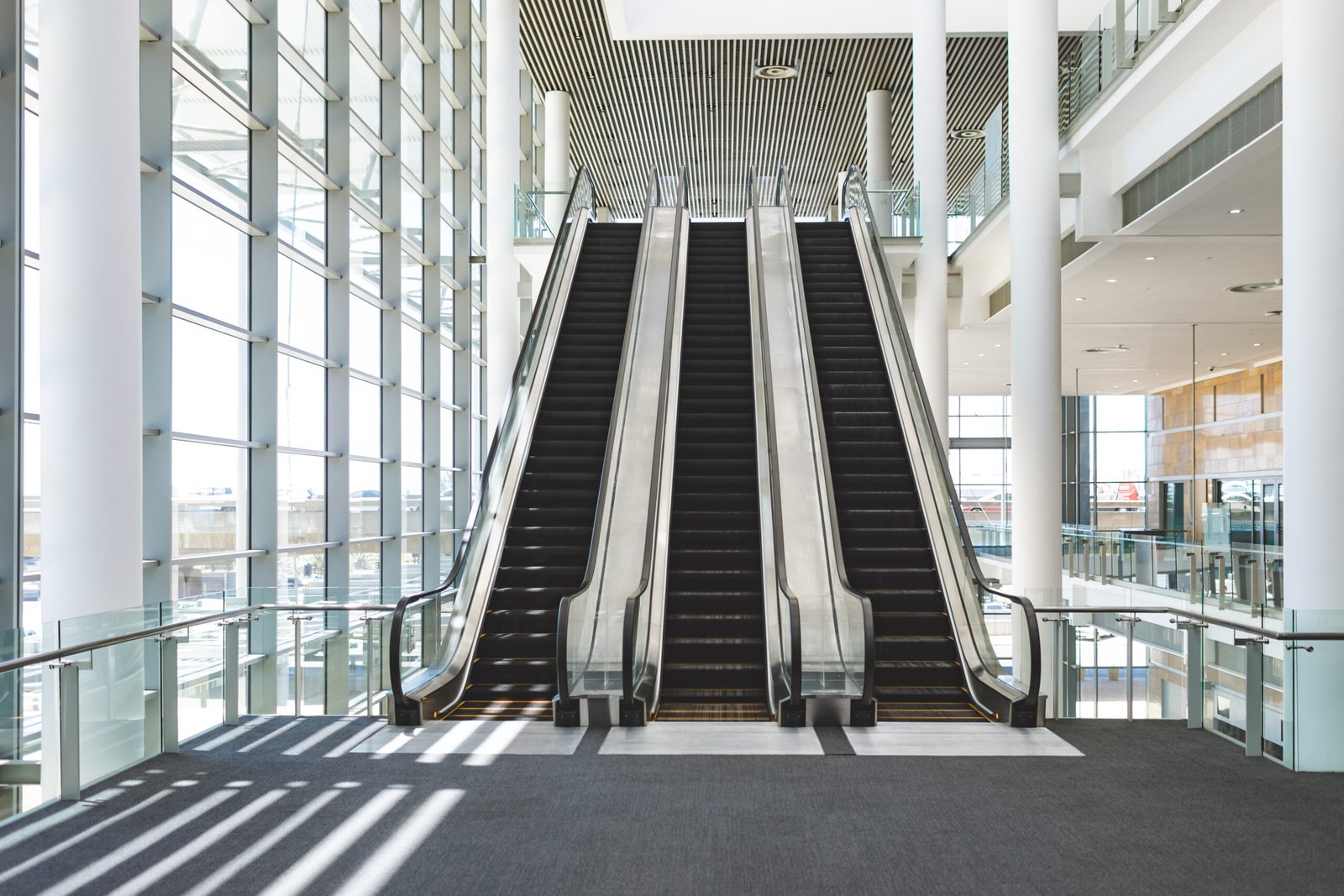
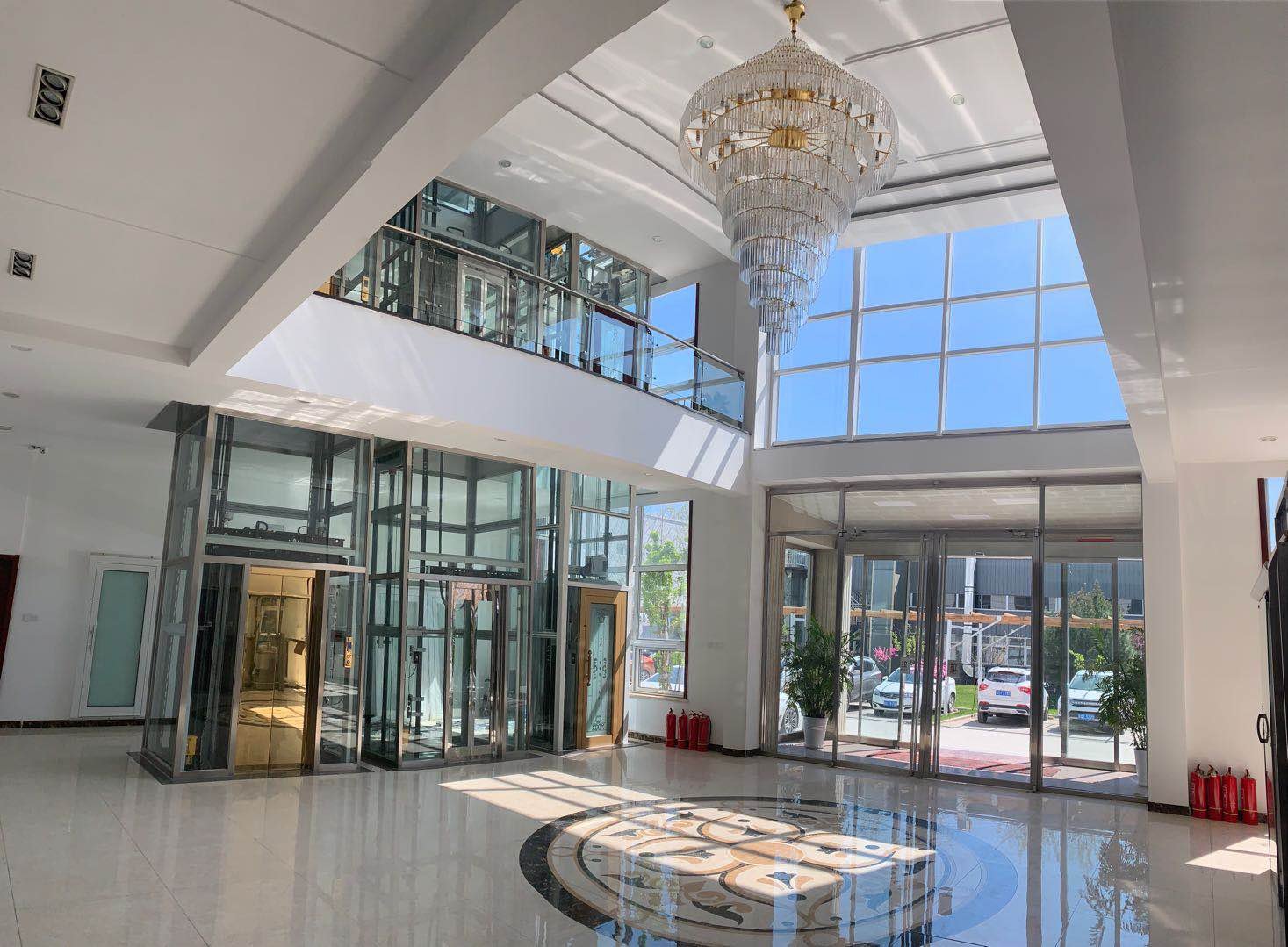
JAFITA’s business has expanded beyond freight elevators into a wider range of elevator and passenger-mobility products. Company materials describe current business across commercial elevators, escalators, villa elevators and freight elevators.
This can be useful for distributors that want a broader range without managing an independent factory relationship for every category.
- Passenger elevators
- Freight elevators
- Heavy-duty elevators
- Hospital elevators
- Home elevators
- Dumbwaiters
- Escalators
- Moving walks
- Related elevator components
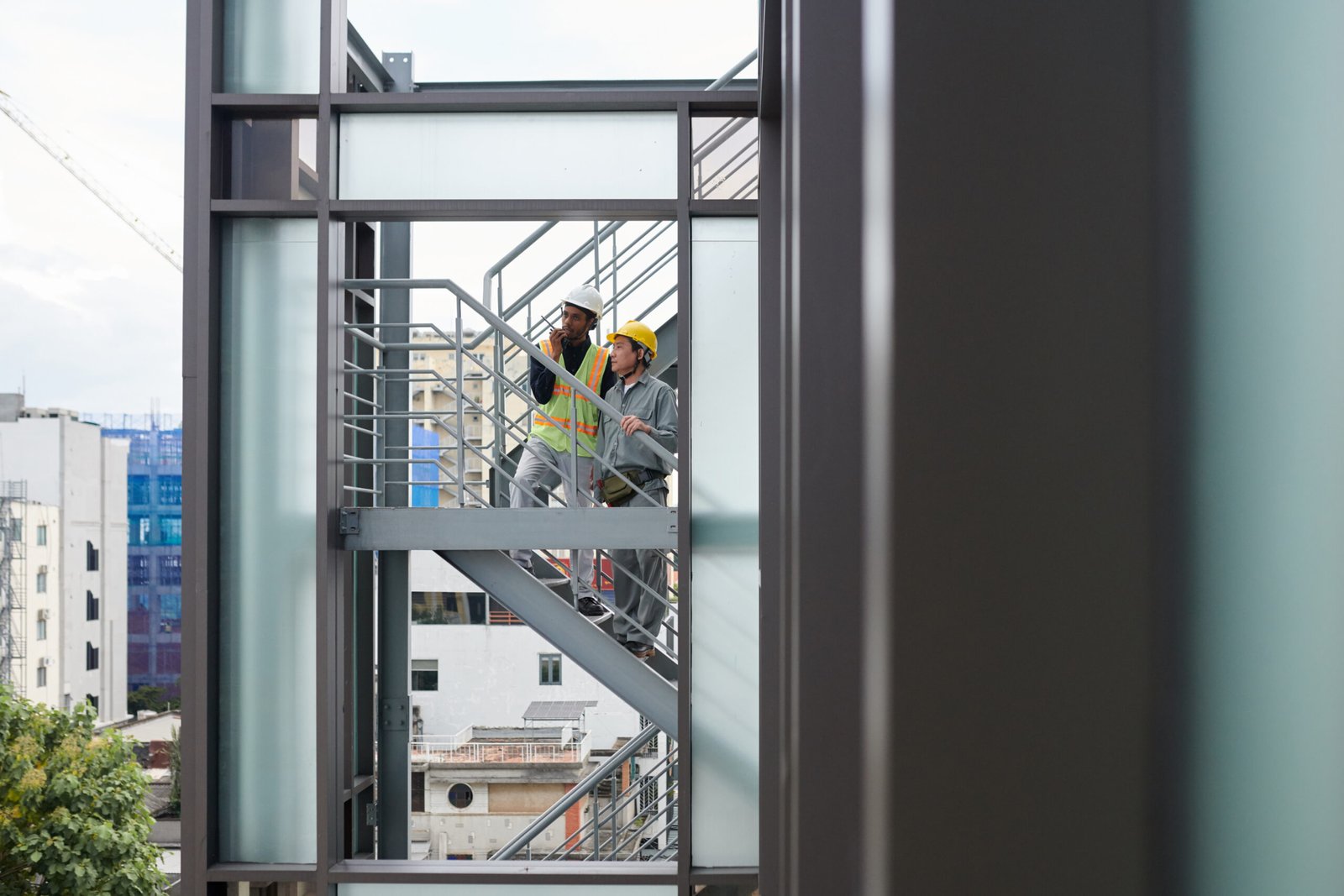
08 · Custom Manufacturing for Project Requirements
When a Standard Configuration Is Not Enough
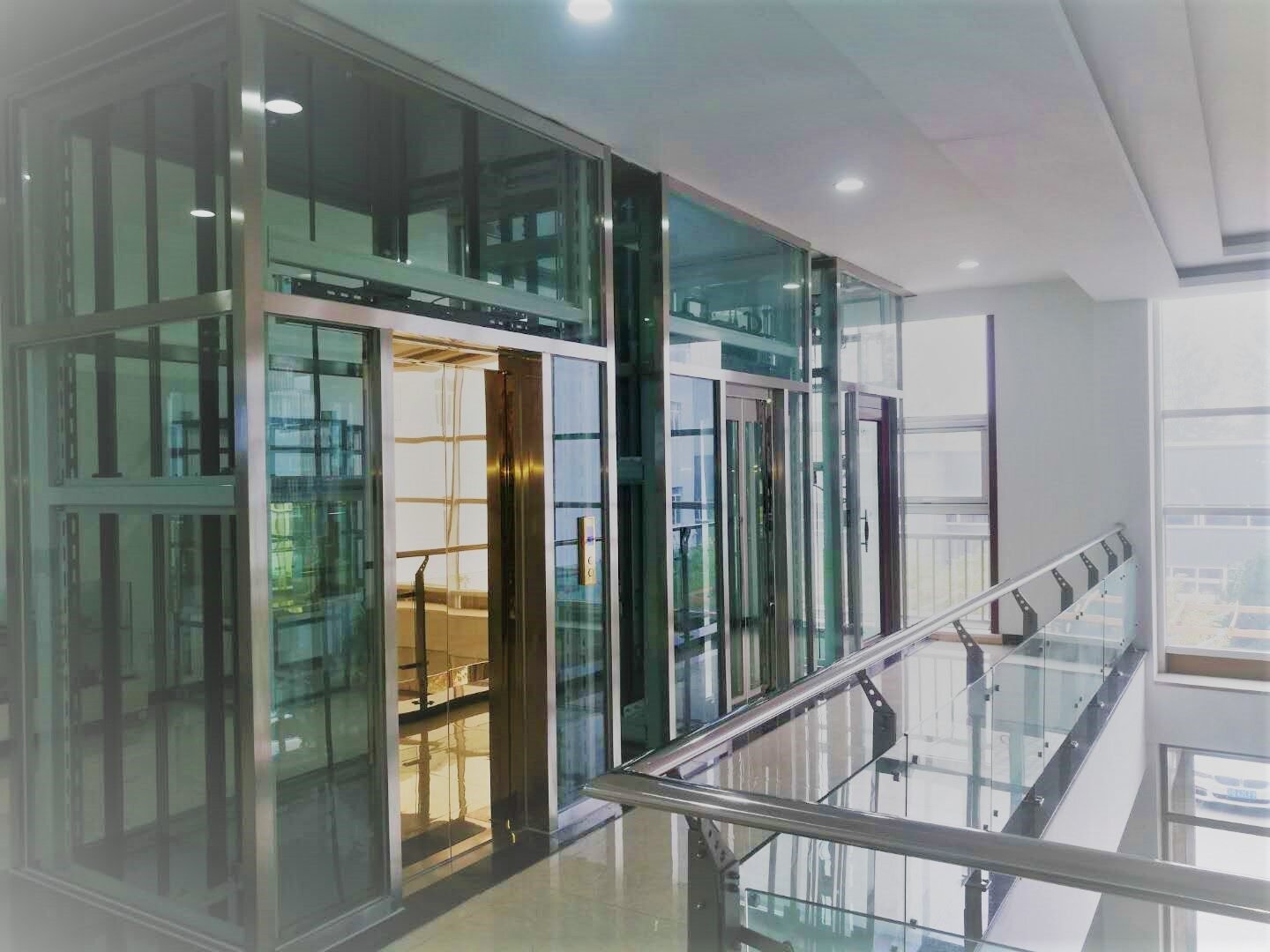
Not every customization project is an OEM program. Sometimes the building itself requires a non-standard solution. These requirements must be reviewed technically before a solution is confirmed.
- Restricted hoistway dimensions
- Special car dimensions
- Higher load requirements
- Wide door openings
- Through-car entrances
- Unusual entrance arrangements
- Industrial loading conditions
- Specific cabin finishes
- Particular operating functions
We do not treat customization as simply selecting options from a finish catalogue. A change to the car size, door arrangement or rated load may affect several parts of the elevator system.
09 · Component Selection for OEM Projects
The Product Is Defined by More Than Its Exterior
Two elevators with similar cabins can perform very differently depending on the major components behind them. Component requirements can be discussed during technical confirmation where the project calls for a specific configuration.
- Traction machine
- Controller and inverter
- Door operator
- Landing-door system
- Guide and suspension
- COP, LOP and displays
- Safety components

From OEM enquiry to approved product
10 · From OEM Enquiry to Approved Product
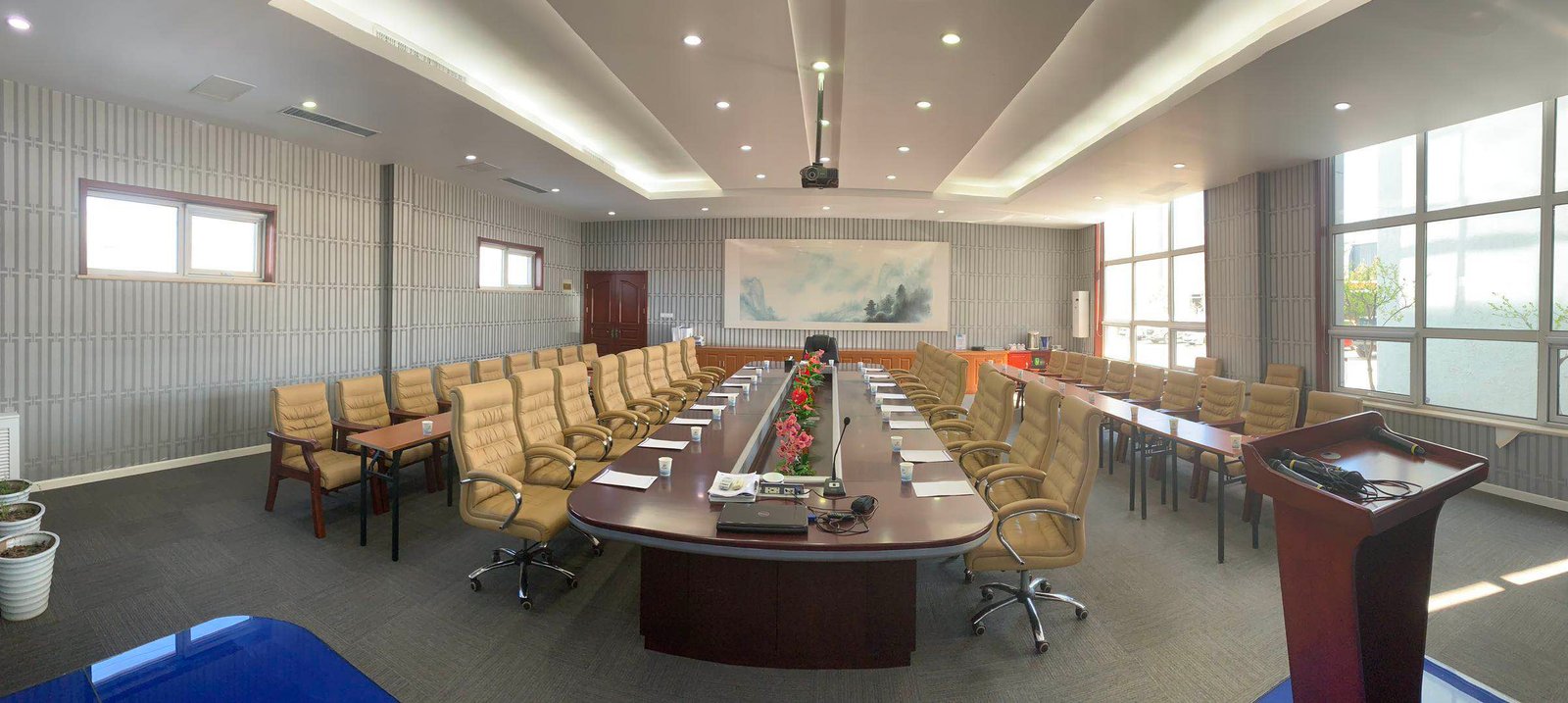
From OEM Enquiry to Approved Product
- 01 · Define the market or project
Tell us where the product will be sold or installed and who the intended customer is.
- 02 · Define the elevator
Confirm the product category, main performance requirements and building conditions.
- 03 · Review the manufacturing route
We evaluate suitable manufacturing resources and product platforms according to the requirement.
- 04 · Confirm technical configuration
Major parameters, components, entrances, finishes and electrical requirements are clarified.
- 05 · Confirm branding
Branding, nameplates, operating fixtures, labels and packaging requirements are defined.
- 06 · Confirm documentation
The required technical and commercial documents are agreed according to the supply scope.
- 07 · Production & supply
The approved specification becomes the reference for manufacturing and order coordination.
11 · International OEM Supply
Build the Product Around the Destination Market
JAFITA has been developing its international elevator business since 2008. For overseas OEM programs, the destination market should be identified early because it may affect the technical and commercial package.
- Technical requirements
- Electrical configuration
- Voltage and frequency
- Product labeling
- Language
- Documentation
- Packaging
- Shipping requirements
Where specific certification is required, the applicable scope should be confirmed for the selected product before the order is finalized. A company qualification or an existing product certificate should never be assumed to apply automatically to every customized configuration.

12 · OEM for Repeat Business
Designed for More Than One Order
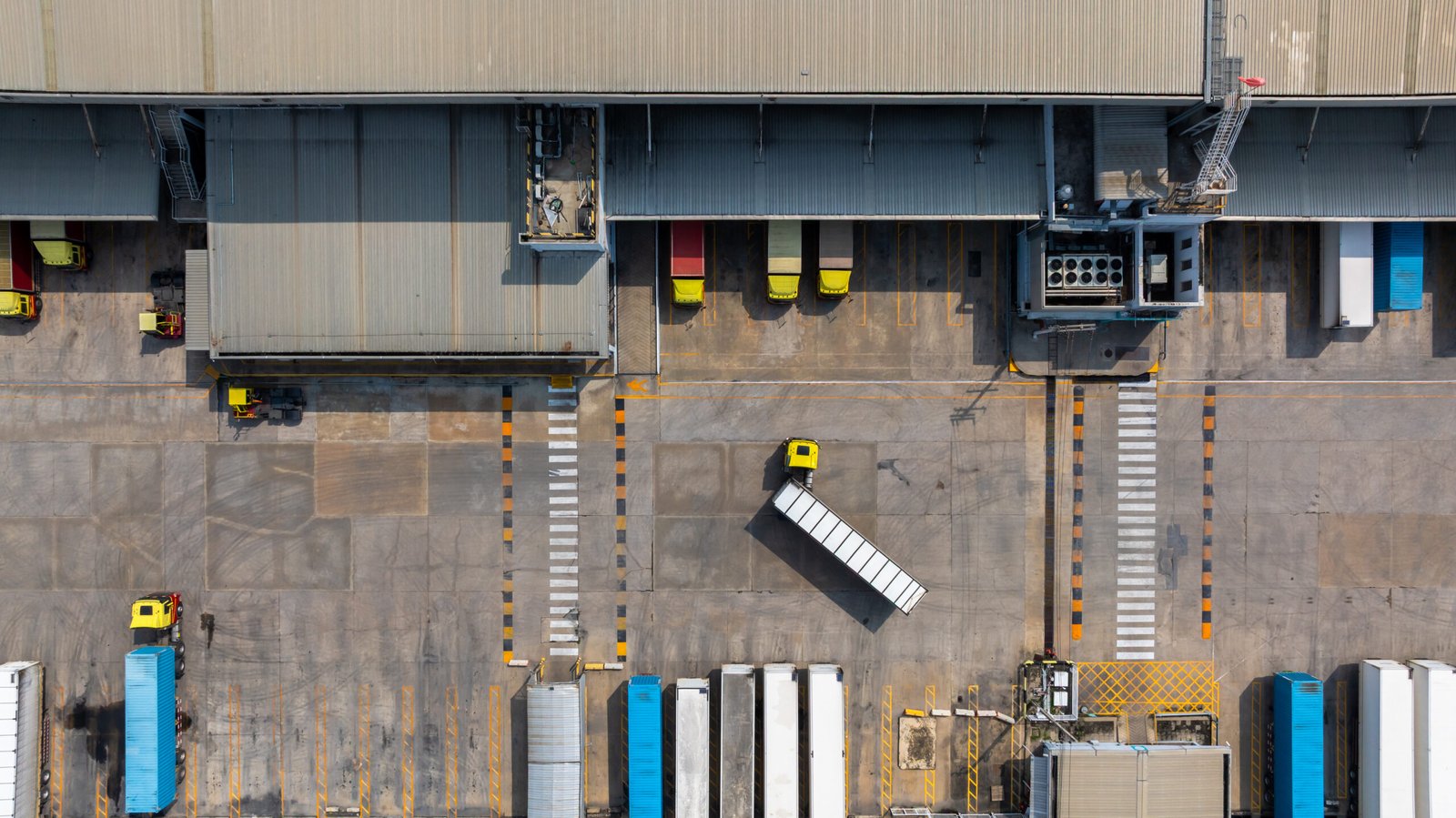
For distributors and elevator companies, the real value of OEM cooperation usually appears after the first project. Once a product has been technically confirmed, subsequent requirements can reference an established configuration rather than starting again from zero.
This is why we place importance on keeping technical information clear from the beginning.
- Additional units
- New projects on the same platform
- Different cabin finishes
- Load or speed variants
- Spare-parts packages
- Replacement components
- Updated documentation
13 · Supporting Components and Spare Parts
Think Beyond Initial Delivery
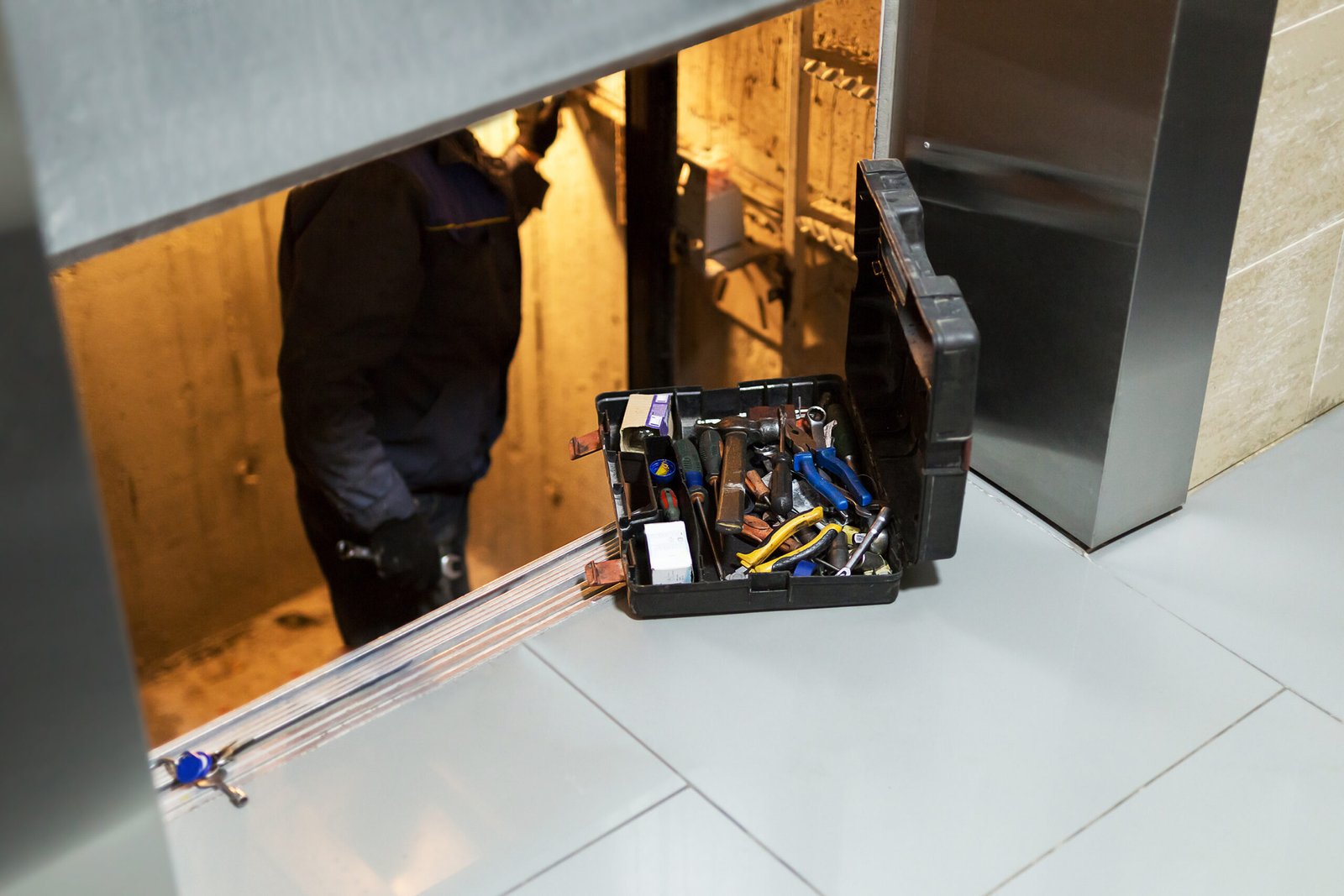
OEM buyers should also consider how the equipment will be supported after installation. Depending on the project, recommended spare parts can be discussed together with the original equipment.
For future component requirements, clear equipment identification helps make replacement sourcing more efficient. Useful records include:
- Equipment model
- Product series
- Major component models
- Electrical parameters
- Original part numbers
- Approved drawings
This reduces reliance on photographs alone when equipment requires maintenance years later.
14 · Why Work with JAFITA for OEM Supply?
Why Work with JAFITA for OEM Supply?
Manufacturing Background
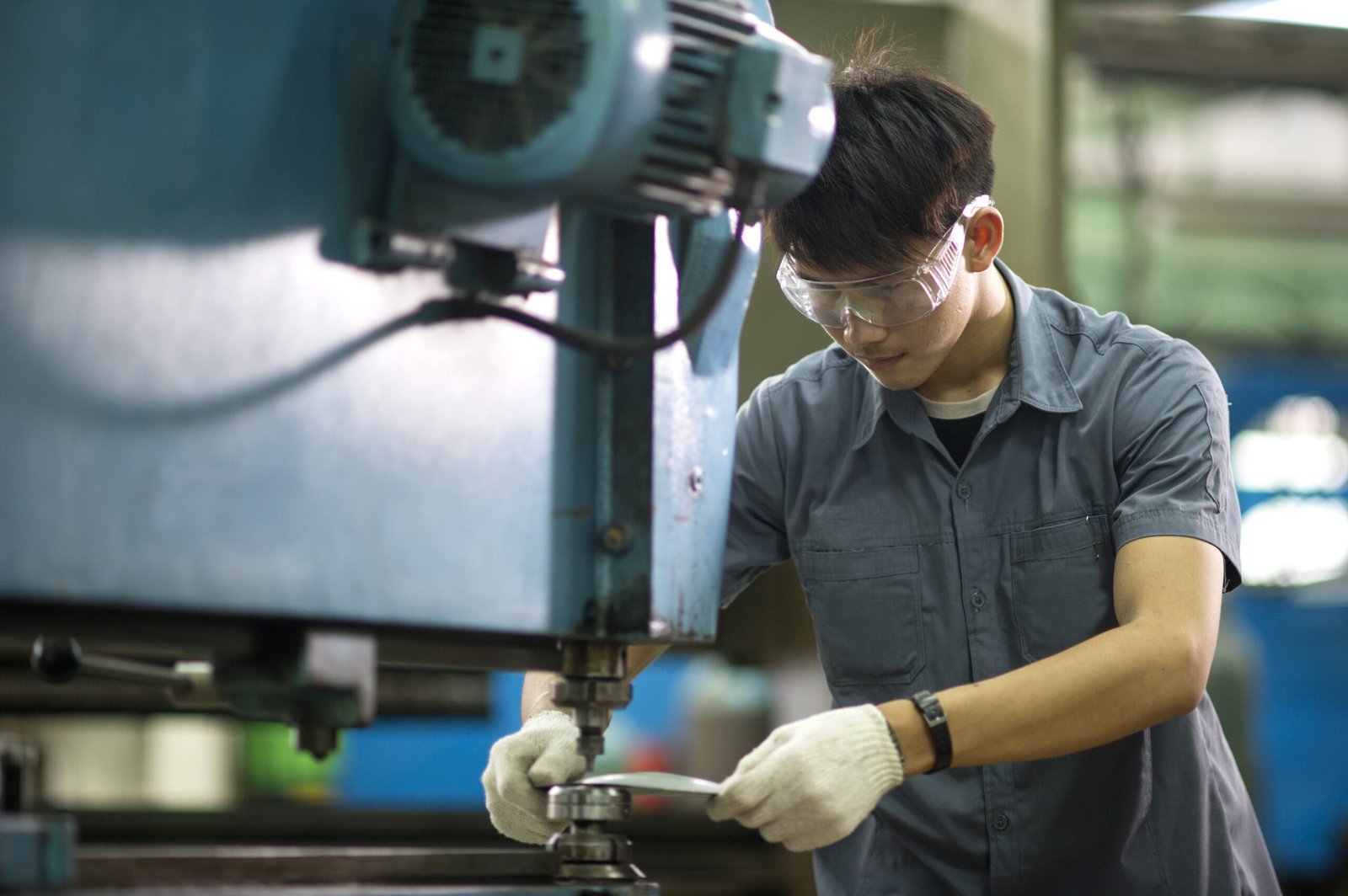
Our OEM service is supported by practical freight-elevator production experience rather than being based only on trading activity.
Industry Resources
Long-term cooperation has expanded our access to different manufacturing resources and elevator technologies.
Multi-Category Capability
Different elevator categories can be discussed within one supplier relationship.
Technical-First Development
The equipment specification is defined before branding becomes the focus.
International Experience
Export business since 2008 supports communication, documentation and supply coordination for overseas buyers.
Long-Term Cooperation
OEM programs can be structured around repeat configurations rather than isolated one-time orders.
15 · Start Your OEM Project
You Do Not Need a Finished Specification to Begin the Discussion
If you already have a product that you want us to evaluate, send the technical specification rather than only a product photograph. Our team will review the requirement and help determine the appropriate next step.
- Your market
- Product category
- Expected quantity
- Target rated load and speed
- Branding requirements
- Any existing specification or drawing