Find the documents you need to screen a supplier, review an elevator configuration, prepare a project, and support equipment after delivery without mixing document scopes.

A common procurement error is to treat every technical file as if it proves the same thing. It does not. A product catalog can help you understand available equipment categories, but it is not an approved project specification. A company management-system certificate can help you assess the supplier’s management framework, but it does not prove that a specific elevator configuration is certified for your destination market.
The same distinction matters later in the project. A general arrangement drawing shows how a selected elevator interfaces with the building, while an installation document explains how defined equipment is handled at site. A spare-parts image may help identify a component family, but an original part number or nameplate is usually more useful when compatibility must be checked.
JAFITA’s Resources section is organized around these different decisions. Use it to locate public company documents, product information, project guidance, installation-related material, and technical articles. When a document depends on a specific model or project configuration, request it with the project information so the file can be matched to the correct equipment scope.
Start with the product category and the technical fields that define the application. Rated load, rated speed, travel, stops, entrance arrangement, hoistway conditions, drive type, and electrical requirements can affect whether two apparently similar elevator solutions are actually comparable.
Separate company-level evidence from product-level evidence. JAFITA’s company portfolio includes a Special Equipment Production License and ISO 9001, ISO 14001, and ISO 45001 management-system certifications. The portfolio also presents more than 20 patents and software copyrights. These records help you assess the company behind the supply process, but product certification still needs to be confirmed for the selected equipment and market.
The emphasis shifts to configuration-specific documents. General arrangement drawings, hoistway requirements, electrical information, finish confirmation, and other project files should correspond to the elevator configuration being quoted or ordered. A generic brochure should never replace the documents used to freeze the technical interfaces.
Equipment identity becomes critical. Keep the model, project reference, major component information, drawings, and nameplates with the project record. That information can reduce uncertainty when installation questions, modernization work, or replacement-part enquiries arise years later.
The practical comparison order is therefore simple. First confirm that you are looking at the correct product and configuration. Second check the technical parameters that affect fit and performance. Third verify the document scope, edition, and market applicability before treating any certificate or drawing as project evidence.
The document you need changes as the project moves forward. Using the wrong file at the wrong stage can create late revisions even when the equipment itself is suitable.
| Project stage | Most useful resources | What the buyer is trying to confirm |
|---|---|---|
| Early planning | Product catalogs, knowledge articles | Which equipment category and configuration direction fit the building. |
| Technical screening | Technical data sheets, preliminary product information | Which parameters need to be compared before a shortlist is created. |
| Supplier qualification | Company certificates, qualification documents | Whether the supplier has the company-level qualifications required for review. |
| Project confirmation | General arrangement drawings, project-specific technical data | Whether the equipment interfaces match the building and approved specification. |
| Installation preparation | Installation-related documents, electrical information | Whether the site team has the correct technical information for the supplied configuration. |
| Operation and maintenance | Manuals, component information, project records | How the equipment is identified and supported after handover. |
| Modernization | Existing-equipment data, component records, technical guidance | Which systems can be retained, replaced, or require a wider upgrade. |
| Spare-parts sourcing | Part numbers, nameplates, drawings, component data | Whether the requested replacement is technically compatible with the existing system. |
Final document requirements should always be confirmed against the actual project, destination market, and equipment configuration.
Product catalogs are most useful at the beginning of a project. They help developers, contractors, elevator companies, and distributors understand the available product categories and identify which equipment deserves a closer technical review.
Use a catalog to compare application direction, not to freeze a project specification. A passenger elevator, freight elevator, hospital elevator, home elevator, escalator, or moving walk may have several configuration paths that depend on the building. The final selection can change when the shaft dimensions, load requirement, entrances, electrical conditions, or destination-market requirements are confirmed.
JAFITA’s business scope has expanded from a freight-elevator manufacturing and OEM foundation into broader elevator categories, including commercial elevators, escalators, villa elevators, and freight elevators. That means a catalog should help you navigate the product scope, while the project discussion determines which configuration is technically appropriate.

A technical data sheet becomes useful when you already know what product category you are evaluating and need to compare configurations on engineering terms.
The most important fields depend on the equipment. For an elevator, selection-driving parameters can include rated load, rated speed, travel, stops, car dimensions, clear door opening, entrance arrangement, and available hoistway. Verification fields may include component model information, electrical data, material details, or other values used to confirm the agreed build.
Do not compare two supplier figures until you know that they describe the same configuration and measurement basis. A value taken from a standard catalog range may not describe the exact project unit. A dimensional figure may also change with door type, drive arrangement, capacity, or building interface.
When you need model-specific information, send the product type, project country, and known project parameters with the request. This gives the technical team a better basis for returning the correct document instead of a generic file from the same product family.
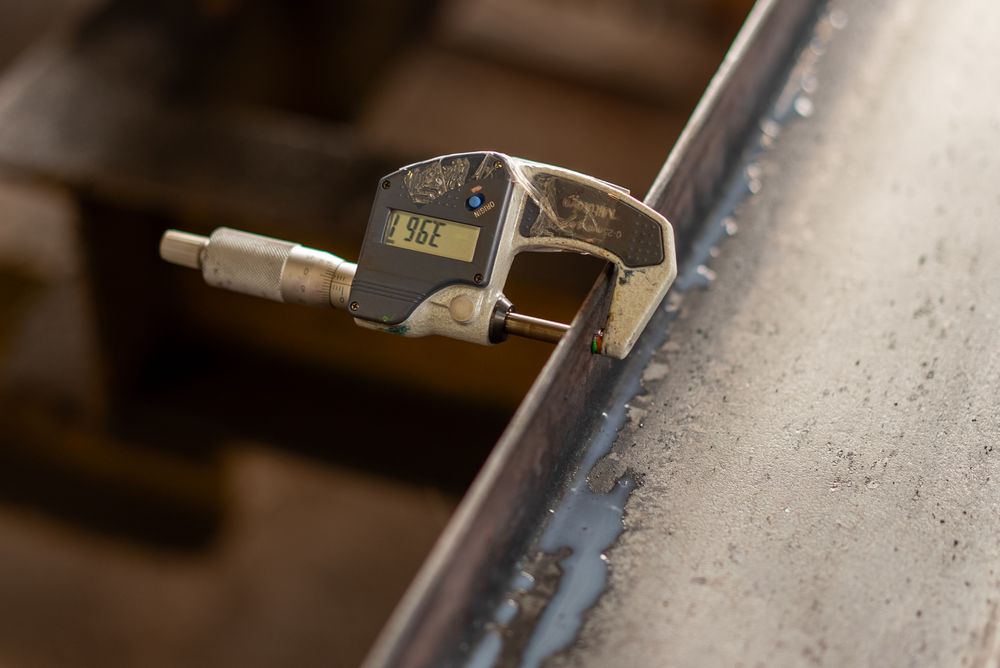
Certificates answer different questions, so scope matters.
JAFITA’s company materials include a Special Equipment Production License together with ISO 9001 quality-management, ISO 14001 environmental-management, and ISO 45001 occupational health and safety management certifications. The company portfolio also shows patents, software copyrights, and corporate honors accumulated during its development.
These files are relevant when your procurement process includes company qualification. They do not remove the need to check which product standard, certification route, or approval requirement applies to the elevator that will be installed.
For example, elevator safety requirements differ by jurisdiction. North American projects commonly work within the ASME A17.1/CSA B44 framework, while international projects may reference ISO or regional standards depending on the market. The correct requirement must be established for the destination country and the selected equipment before order confirmation.
If your supplier-approval process has a fixed document checklist, send that list with the project country and product category. JAFITA can then confirm which company documents are applicable and which product-specific documents need to be addressed separately.

Installation information becomes useful only after the equipment and building interfaces are sufficiently defined.
The site team may need general arrangement drawings, hoistway information, pit and overhead requirements, entrance dimensions, electrical data, equipment references, or installation-related manuals. The exact document package depends on the selected product and the responsibilities agreed for the project.
Do not build from an unapproved catalog drawing when a project-specific drawing has been issued. Elevator interfaces are sensitive to shaft dimensions, landing arrangement, travel, door configuration, and equipment layout. A small difference on paper can create a large correction at site if the wrong file is used.
For overseas projects, keep the project reference and document revision associated with the equipment shipment. JAFITA has been engaged in elevator export business since 2008, so international enquiries should identify the destination market and any known documentation requirements early in the project conversation.
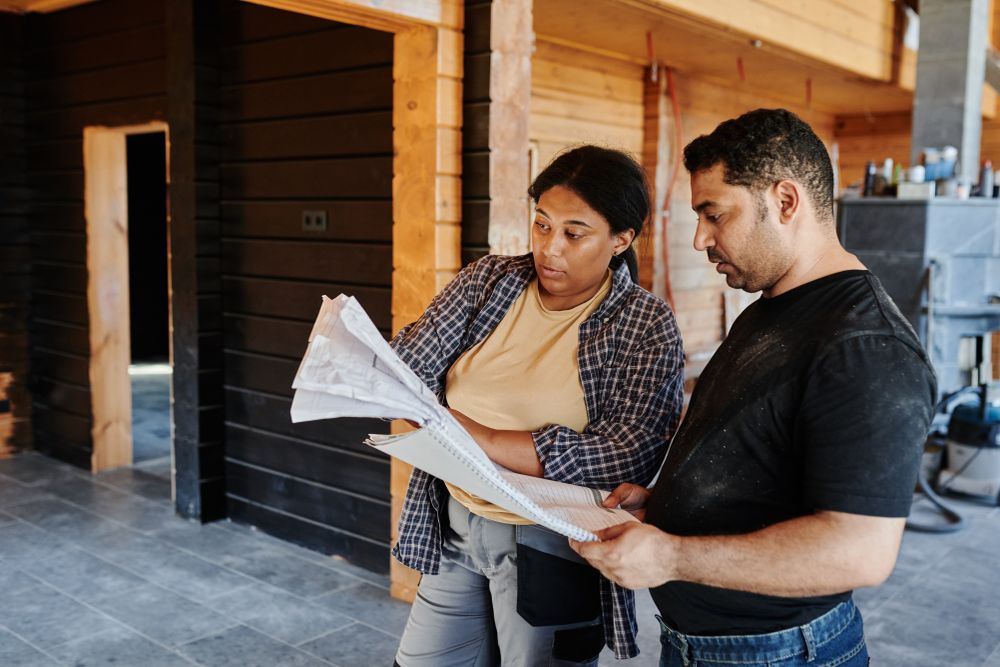
Some of the most expensive elevator mistakes happen before a purchase order exists. A project may begin with a shaft that does not suit the intended car size, a freight requirement that was defined only by rated load, or a replacement part selected from a photograph without its electrical data.
The Elevator Knowledge Center is intended to address those decision points. Topics should explain what a specification changes physically, which project condition drives the choice, and what information a buyer should collect before requesting a final quotation.
Useful subjects include hoistway planning, freight-elevator loading, hospital elevator access, component identification, modernization scope, existing-building constraints, and international procurement. The purpose is not to reproduce standards or rewrite supplier brochures. It is to help you understand why a parameter matters before it becomes a late design change, an incompatible part, or an unnecessary rework item.
The FAQ section is designed for questions that buyers ask repeatedly but that do not justify a full technical article.
Use it to find concise guidance on the information required for an initial quotation, drawing availability, OEM enquiries, spare-parts identification, international project support, certification scope, existing-building projects, modernization, and after-sales communication.
Commercial items such as lead time, minimum order quantity, warranty scope, or shipping method can vary with the product and project. Where a fixed company-wide answer is not supported, the relevant variables should be identified and confirmed through the project enquiry instead of publishing an artificial universal figure.
Company news and technical articles serve different purposes and should not be mixed.
Company updates can cover exhibitions, qualification updates, approved project milestones, partnerships, or other verifiable JAFITA developments. Technical insights should explain elevator selection and project issues using recognized industry knowledge, while keeping supplier-specific claims tied to JAFITA’s own documented capabilities.
This distinction matters for buyers and search systems alike. A project article should not imply a scope that JAFITA did not perform. An industry article should not turn a general safety requirement into a claimed product feature unless the selected product has evidence for it.
JAFITA’s documented company background includes establishment in Beijing in 2001, freight-elevator production and OEM cooperation, export activity since 2008, and a broader supply network developed through long-term industry relationships. Those facts can support company content. Product-specific performance, capacity, certification, or delivery claims require product-level evidence.
Not every useful elevator document belongs in a public download library.
Project drawings, configuration sheets, component details, order-specific electrical information, and certain manuals may depend on the exact equipment being discussed. Publishing one generic version as if it applied to every model would create more risk than value.
When requesting a project-specific document, identify the project country, product category, model if known, and the document you need. For existing JAFITA projects, include the original project or order reference. For a replacement component, add the part number, nameplate, and equipment model when available.
JAFITA’s role then is to match the request to the correct equipment context before the document is treated as project information. For an engineered elevator project, that technical coordination should happen before design freeze, not after the site team has already built around an assumed configuration.
JAFITA was founded in Beijing in 2001. Its documented business development includes freight-elevator production, OEM cooperation with elevator companies, and a wider supply network built through long-term factory relationships. Export business has been active since 2008.
The company portfolio also presents the Special Equipment Production License, three ISO management-system certifications, and more than 20 patents and software copyrights. These are company-level facts that a buyer can request and review during supplier qualification.
The same discipline should be applied to product information. A management-system certificate is not a product certificate. A project reference does not define the technical specification of the next elevator. A catalog does not replace an approved drawing. Keeping these scopes separate makes the resource library more useful because each file answers a defined procurement or engineering question.
For repeat projects, retain the project reference and approved equipment information. That gives later requests for documents, spare parts, or additional equipment a clearer starting point than reconstructing the original configuration from memory.
Start with the product information needed to define the application, then add drawings or specifications that describe the building. For a project-based elevator, the final quotation should reflect the main technical parameters and destination-market requirements rather than a catalog name alone.
No. A catalog is useful for product screening and configuration direction. Project-specific dimensions, interfaces, finishes, electrical requirements, and applicable documentation should be confirmed separately before design freeze or production.
The answer depends on the destination country, equipment category, and project specification. Company management-system certificates support supplier qualification, while product certification and code compliance must be checked against the selected elevator and jurisdiction.
Preliminary technical information may be available during project review, depending on the product and how much of the configuration is already known. Final or project-specific drawings require enough confirmed information to ensure that the dimensions and interfaces correspond to the proposed equipment.
Send the product category, project country, rated load or capacity if known, rated speed if known, number of stops, and any available shaft information. If you already have a model or quotation reference, include it so the request can be matched more precisely.
Use the original part number, equipment model, nameplate, electrical data, dimensions, and clear photographs whenever possible. If the part came from a previous JAFITA project, include the original project or order reference.
No. Installation information can change with the elevator type, drive arrangement, door system, dimensions, electrical configuration, and project scope. Use documents that correspond to the actual supplied equipment and follow the responsibilities defined for the local installation team.
JAFITA’s company portfolio includes its Special Equipment Production License and ISO 9001, ISO 14001, and ISO 45001 management-system certifications. Send your required document list so the applicable company files can be identified for review.
The Resources section supports product screening, supplier qualification, project coordination, installation preparation, and equipment support. It does not replace the final technical approval process for a specific elevator project.
Building dimensions must be verified for the actual site. Product configuration must be confirmed against the required load, speed, travel, entrances, electrical conditions, and destination market. Local design, installation, inspection, and regulatory responsibilities remain with the parties assigned to those functions under the project and jurisdiction.
The same limit applies to components. A photo can support identification, but it cannot prove compatibility. A company certificate can support supplier review, but it cannot be treated as a universal product certificate. Use each document for the decision it is designed to support, and request project-specific information when the public resource is not sufficient.
