Use this page to decide which project requirements genuinely need a custom elevator, which changes affect the whole system, and what must be frozen before production.
Send Your Custom Elevator Requirements
A custom elevator is not simply a standard unit with different wall panels. The project becomes genuinely customized when the building, load, entrance arrangement, traffic pattern, operating environment, control logic, or architectural brief moves outside the assumptions used for a standard configuration.
The first expensive mistake is changing one visible dimension without tracing its effect through the rest of the system. A larger car can change the hoistway envelope, car mass, counterweight arrangement, guide-rail loads, traction requirements, door geometry, pit and overhead conditions, and building reactions. A wider entrance can affect the car front, landing opening, door operator, sill, structural opening, and usable car depth. One drawing dimension can therefore move several mechanical and building interfaces at the same time.
The second mistake is customizing appearance before the technical platform is frozen. Cabin finishes, glass, lighting, operating panels, special ceilings, and branded details matter, but they should not be allowed to hide unresolved questions about rated load, speed, travel, entrances, shaft geometry, drive arrangement, controls, safety components, or destination-market requirements.
The third mistake is assuming that “custom” means normal code limits no longer apply. It means the opposite. The more a project moves away from a standard configuration, the more carefully its interfaces, calculations, component verification, documentation, and approval path need to be controlled. ISO 8100-1:2026 defines safety requirements for passenger and goods-passenger lifts within its scope, while ISO 8100-2:2026 addresses calculations, verification, and tests for critical lift components. North American projects use the ASME A17.1/CSA B44 framework. A customized elevator still needs a clear regulatory basis.
For the buyer, the correct decision is not “How much can we customize?” It is “Which requirement actually drives a non-standard configuration, and can every affected interface be controlled before production?”
Every custom project should begin by identifying the closest valid baseline product category. That may be a passenger elevator, freight elevator, hospital elevator, home elevator, industrial configuration, car elevator, or another defined lift type. The baseline establishes the functional and regulatory starting point. Customization then changes specific project variables from that starting point.
Rated load and load condition come first. Passenger projects connect load with car area and traffic, while freight or industrial projects must also define concentrated loads, wheel loads, machinery, vehicles, and loading direction.
Car geometry and entrance configuration come next. Width, depth, height, door size, opening direction, entrance side, and through-car arrangements can change the shaft, car front, counterweight layout, and structural openings.
Travel, speed, and hoistway geometry then determine the vertical equipment and building interface. Width, depth, pit, overhead, machine-space conditions, stops, and floor spacing should be settled before the major component platform is frozen.
Control Logic: Control logic is another project input. Group control, access control, priority modes, service functions, or special operating sequences need to be defined as specific functions rather than requested as a generic “intelligent system.”
Verification Fields: Verification fields come after the main technical platform is stable. These include cabin materials, glazing, ceiling, lighting, COP and LOP design, displays, branding, labels, finish samples, electrical details, documentation, and shipment identification.
A good custom-elevator specification therefore contains two lists: the baseline product definition and the approved deviations from it. Without that separation, customization becomes difficult to control across design, quotation, production, inspection, and repeat orders.
The first task is to identify the real reason the standard configuration does not work. If the problem is the shaft, measure the actual building envelope. If the problem is a large object, measure the object and its handling equipment. If the problem is traffic, define the population and peak movement. If the problem is architecture, define which visual element changes the equipment rather than only its finish.
Then trace every interface affected by that requirement. A large entrance can change the car front and shaft. A through-car arrangement changes flow and car geometry. Vehicle or observation configurations can change structural, loading, glazing, or building interfaces.
Separate fixed constraints from negotiable ones. Existing buildings may fix the shaft; new buildings may still allow the architect to change it. Industrial projects may fix the load while leaving the opening adjustable.
Freeze the governing configuration before detailed finishes are released. The approved package should identify load, speed, travel, stops, car geometry, entrances, shaft conditions, major systems, interfaces, and destination-market basis.
Final component selection, calculations, drawings, testing, and certification requirements must follow the actual project and applicable code. Industry-standard values should never be copied into a JAFITA proposal as supplier limits unless the selected product documentation supports them.
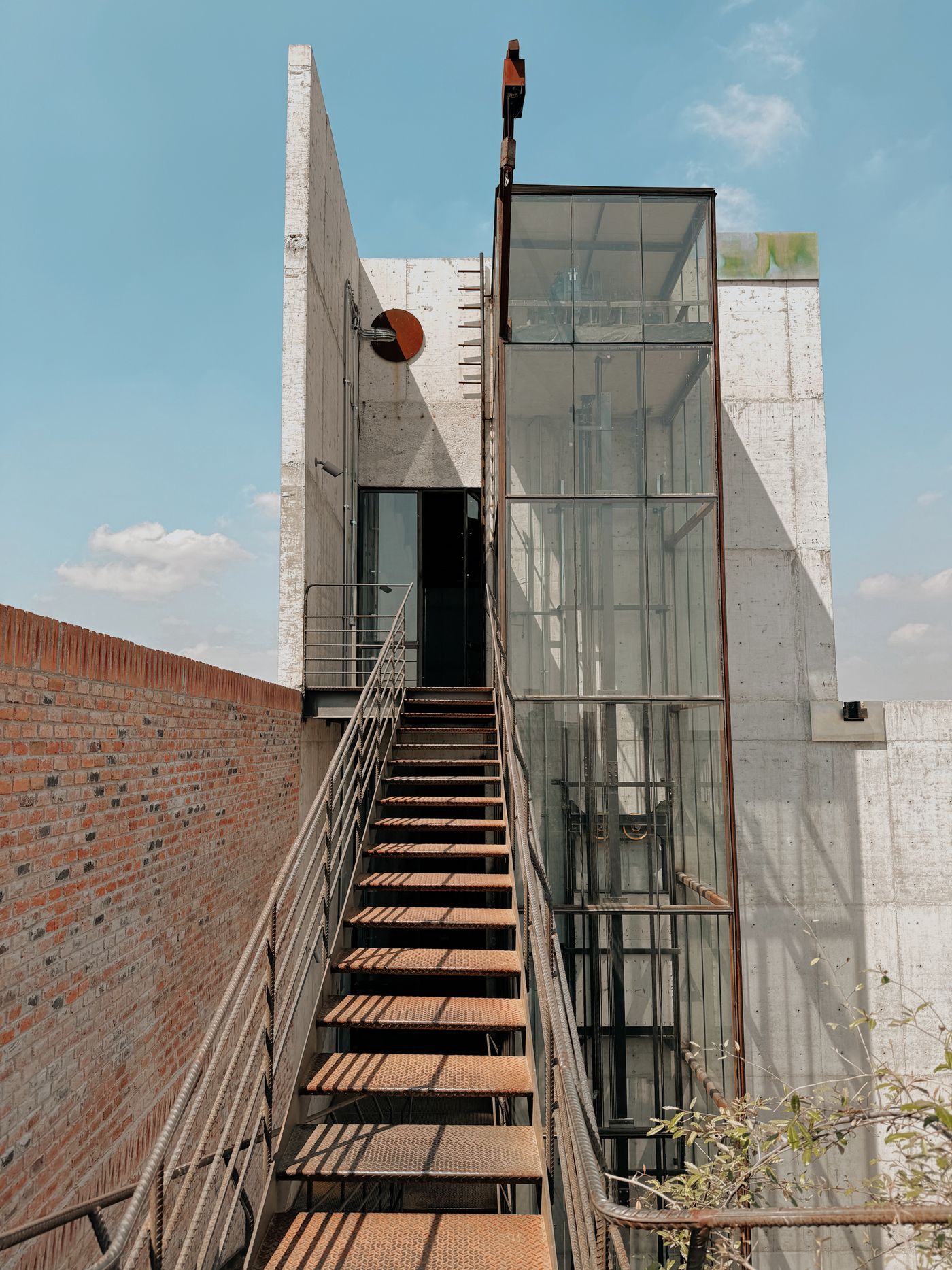
A custom elevator is often requested because the available shaft does not match a standard planning table.
This happens frequently in existing buildings, renovation projects, heritage properties, architecturally constrained sites, and developments where the shaft was reserved before the elevator supplier became involved. The buyer may ask for “the largest possible car,” but that is not yet a specification. The equipment team needs the verified shaft width and depth, pit, overhead, floor levels, entrances, wall conditions, structural constraints, and machine-space conditions.
The decision driver is the cost of changing the building versus the cost and feasibility of changing the elevator configuration.
Clear width and depth alone do not prove that an existing shaft is usable. Doors, guides, counterweight, clearances, pit equipment, overhead equipment, and structural tolerances all consume space.
JAFITA’s multi-category supply model allows the project team to evaluate an appropriate product route instead of forcing every constrained shaft into one fixed platform.
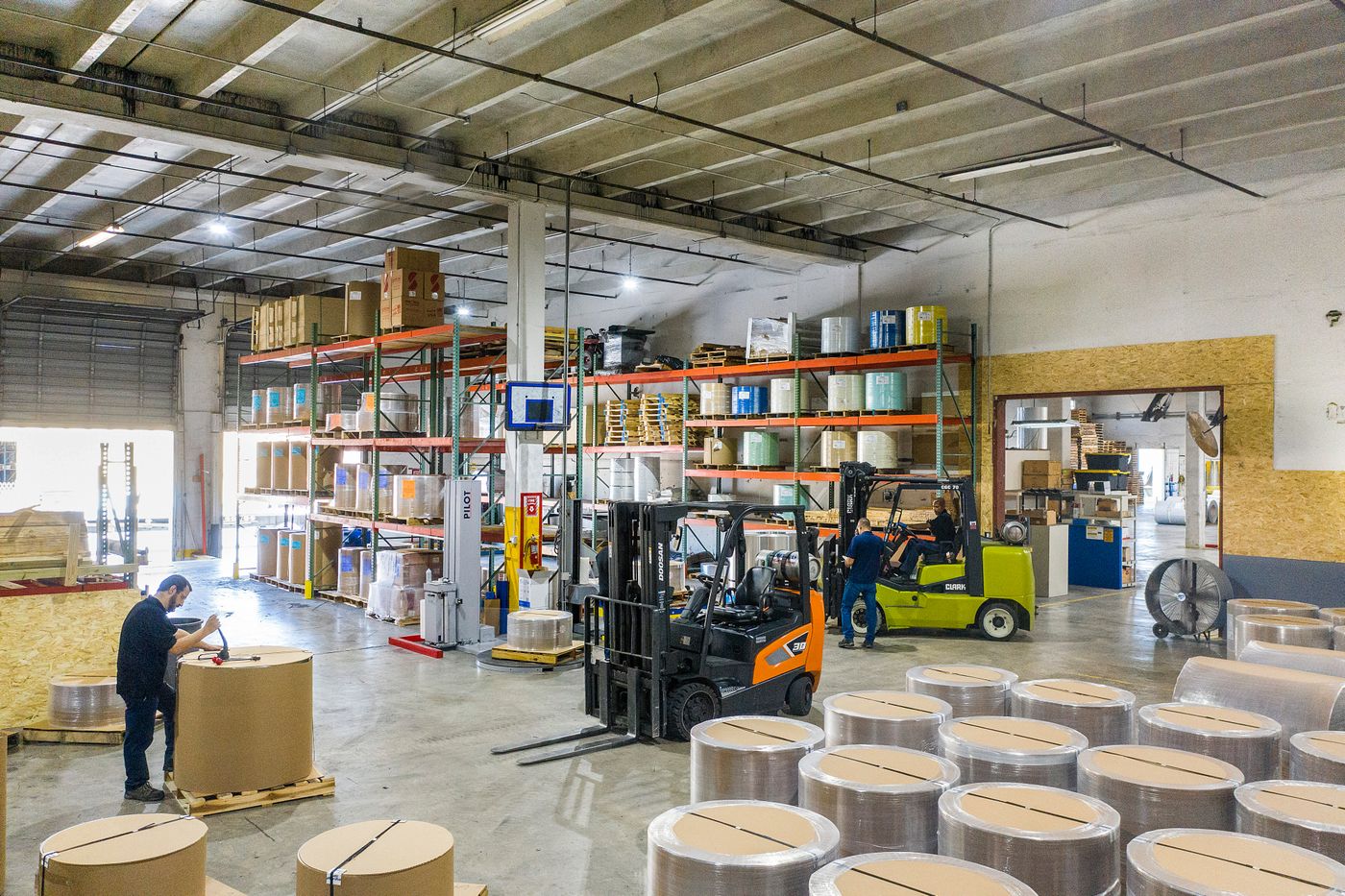
JAFITA’s clearest manufacturing foundation is freight-elevator production, so custom freight work should begin with the load rather than the cabin appearance.
A nominal kilogram figure does not describe a forklift, vehicle, machine, pallet, roll cage, or concentrated industrial load. The project brief should define the footprint, center of gravity where relevant, wheel or support points, entry direction, turning space, door opening, loading frequency, and whether handling equipment enters the car.
Customization may involve car proportions, reinforced structure, large doors, through-car loading, vehicle access, or non-standard duty. These changes can affect the car frame, platform, guides, doors, drive, controls, and building reactions.
JAFITA’s brochure presents Freight Elevator, Industrial Elevator, and Car Elevator categories, while company materials identify freight elevator production as a core strength. Verified load data is still required; “heavy duty” is not a substitute for wheel-load, floor-loading, or duty information.
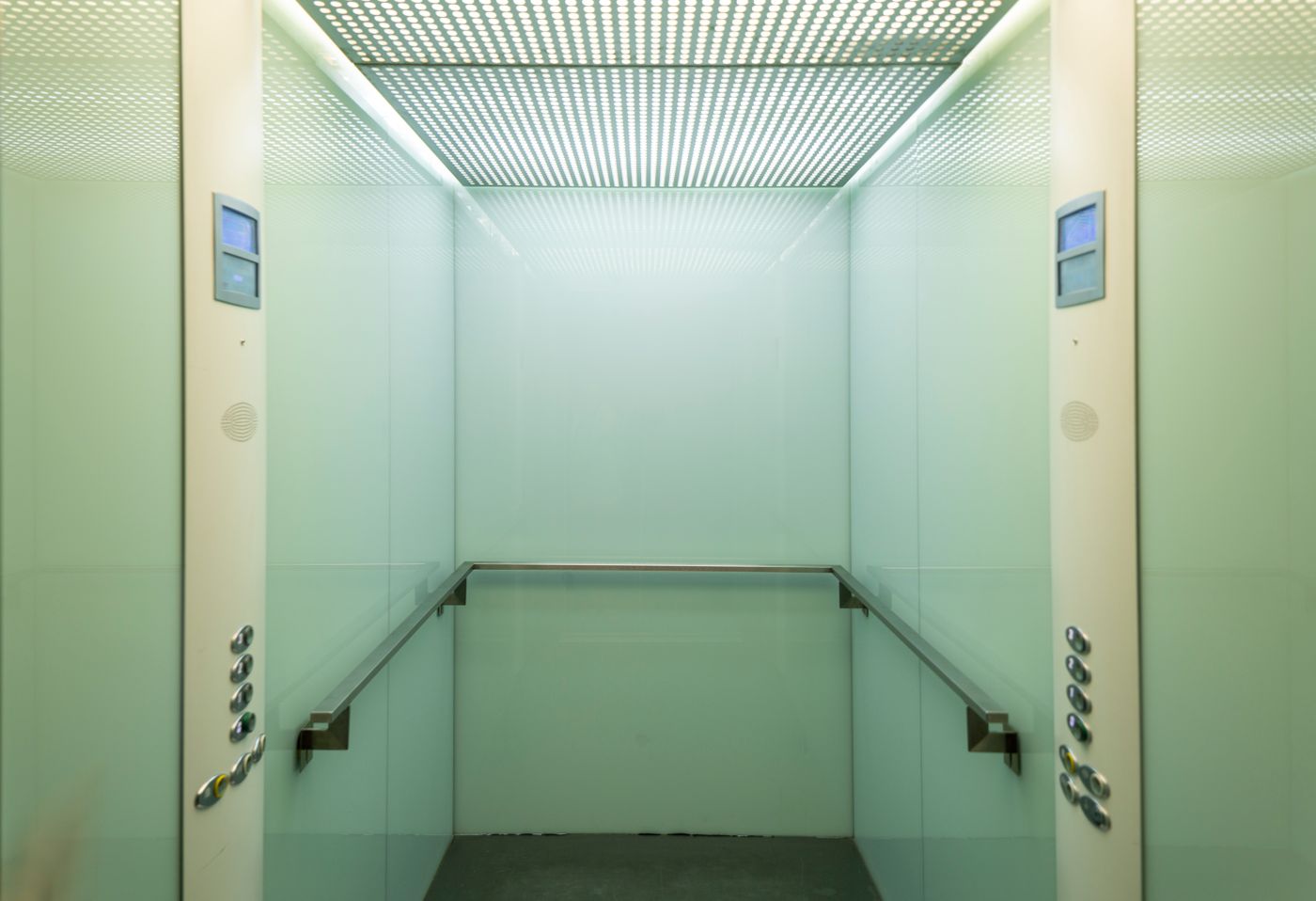
Passenger elevator customization can begin with traffic, architecture, or both.
A building may need a non-standard car shape, unusual entrances, an observation configuration, special interior dimensions, architectural glazing, access-control integration, or operating functions that are not part of a basic passenger specification. The project should separate changes that affect the mechanical platform from those that are primarily finishes.
JAFITA’s brochure presents Passenger Elevator, High-Speed Elevator, Observation Elevator, and Medical Elevator categories. It also describes passenger-elevator control and technical functions, but does not establish universal JAFITA speed, travel, load, shaft, or energy-performance ranges.
For architectural projects, freeze the lift envelope, entrances, glazing interfaces, car volume, and building loads before the decorative package.
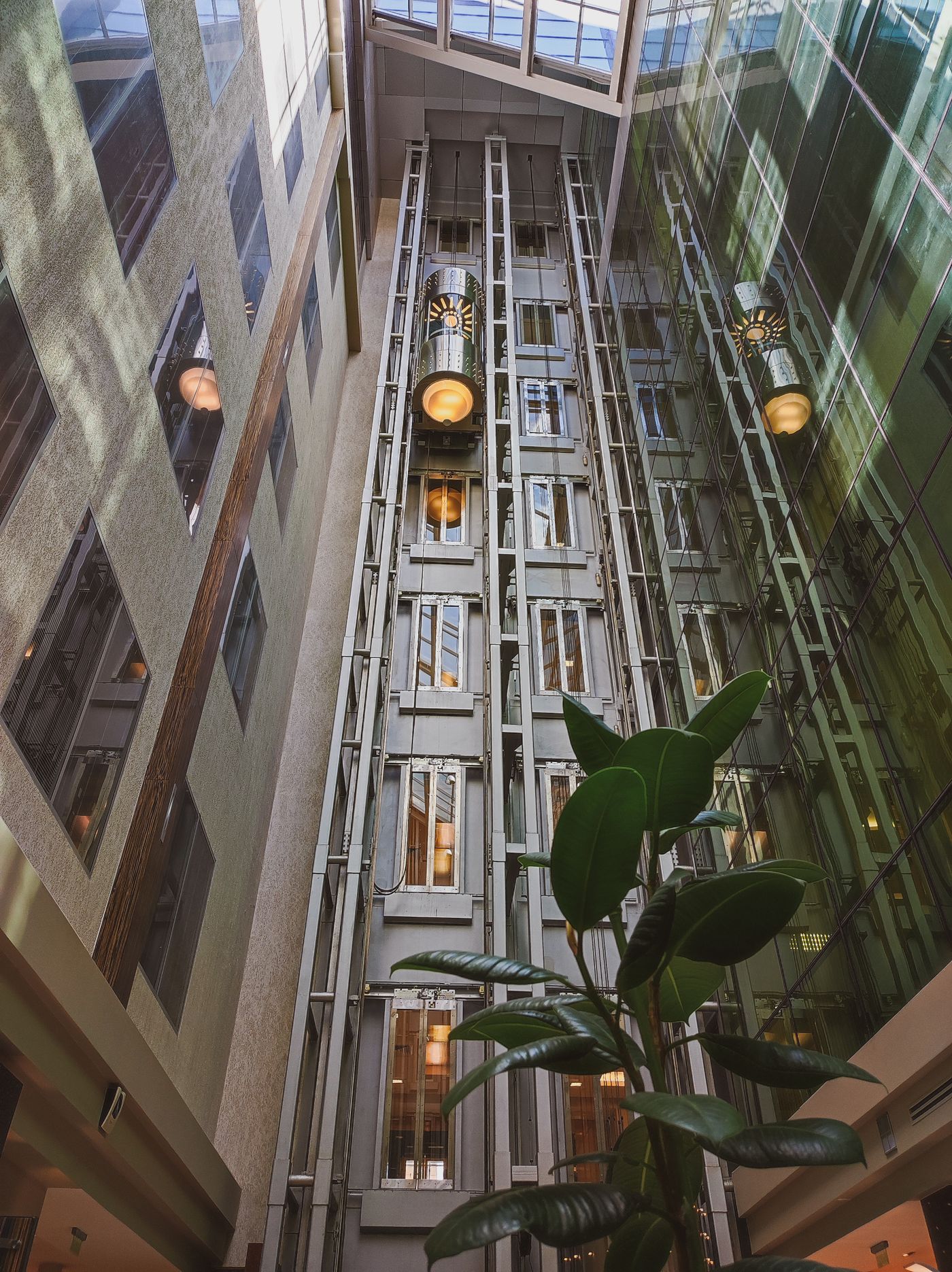
JAFITA’s Home Elevator presentation explicitly supports multiple size customization, multiple door opening methods, aesthetic car design, and an intelligent control system.
These capabilities are useful where the residence imposes a specific footprint, entrance direction, or design requirement. The custom decision should still begin with the user, shaft, pit, overhead, floors, entrances, and local product category.
JAFITA’s supplier evidence supports the customization direction but not a published numeric load, speed, travel, shaft, pit, overhead, or door-opening range.
For an elevator company or distributor, customization has a different decision driver: repeatability.
The buyer may need its own brand, product identification, cabin design, COP and LOP appearance, documentation format, selected component architecture, or a defined configuration for a regional product line. In this case, the commercial value of customization depends on whether the first approved configuration can be reproduced in later orders.
JAFITA’s company history includes OEM cooperation with multiple elevator brands. The uploaded company introduction specifically names KONE and ThyssenKrupp in that history and states that long-term cooperation helped the company develop a more efficient supply-chain system. It also states that long-term relationships provide direct access to factory resources including Hitachi and XIO LIFT.
That history supports an OEM and coordinated-supply role, not a claim that every custom product comes from one JAFITA factory. Each program should define the product source, approved configuration, components, drawings, branding, documentation, and repeat-order controls.
| Capability | Supplier evidence |
|---|---|
| Custom project supply | Company introduction states that JAFITA supports customized elevator requirements and large-scale project supply. |
| Multi-category model | Current business scope includes commercial/passenger elevators, freight elevators, escalators, moving walks, and villa/home elevators. |
| Freight customization foundation | Freight elevator production is identified as a core manufacturing strength. |
| OEM experience | Company materials state that JAFITA has provided OEM services for multiple brands. |
| Named OEM relationships | Uploaded company materials name KONE and ThyssenKrupp in JAFITA’s long-term OEM history. |
| Factory resources | Company materials describe direct factory access developed through long-term cooperation, including Hitachi and XIO LIFT. |
| Home Elevator customization | Brochure presents multiple size customization, multiple door opening methods, aesthetic car design, and an intelligent control system. |
| Product breadth in brochure | Brochure presents Passenger, High-Speed, Observation, Medical, Freight, Industrial, Car, Escalator, Moving Walk, Home, and Utility Elevator categories. |
| International business | JAFITA has been engaged in elevator export business since 2008 and presents a dedicated international business capability. |
| Engineering support | Company brochure presents an Engineering Service Team and lifecycle service support. |
| Company qualifications | Company portfolio presents a Special Equipment Production License and ISO 9001, ISO 14001, and ISO 45001 management-system certifications. |
This matrix defines the supplier evidence that can currently support a Custom Elevators page. It does not create a universal custom range.
A buyer should not ask only whether a supplier “accepts customization.” Ask which part of the configuration is being changed, which interfaces move with it, which factory or product platform will produce it, which drawings and calculations define the approved version, and how repeatability will be controlled after the first unit.
A useful custom-elevator enquiry should start by explaining why a standard solution does not work.
Send the project country, building type, required elevator category, quantity, rated load if already defined, speed if already defined, travel, stops, shaft dimensions, pit, overhead, entrance arrangement, and available architectural drawings. Then describe the requirement that drives customization.
If the custom requirement comes from the load, send the dimensions, mass, handling method, wheel or support information, and loading direction. If it comes from the building, send measured site geometry and photographs. If it comes from architecture, send the elevation, cabin concept, glazing requirement, entrance treatment, and material schedule. If it is an OEM program, send the target product category, branding scope, repeat-order expectation, and required documentation.
JAFITA can then determine which part of the project sits within its freight manufacturing foundation and which part should be coordinated through other established factory resources.
Before design freeze, confirm the product category and code basis, then the governing load and building geometry, then the full technical interfaces. Release finishes, branding, and production details only after those decisions are stable.
The risk in a custom elevator is not only whether the first unit can be produced. It is whether the approved configuration remains identifiable through production, shipment, installation, service, and repeat orders.
JAFITA’s freight-elevator manufacturing and OEM history provides a stronger basis for discussing configuration control than a pure catalog-resale model. The company also works across categories through long-term factory resources, which makes the supply route itself an important part of the technical record.
Each custom project should record the baseline product, approved deviations, major components, car and door geometry, controls, finishes, drawings, destination-market documents, and revision status. Repeat orders should be checked against that record.
JAFITA presents company-level qualifications, an Engineering Service Team, lifecycle support, and export activity since 2008. These facts do not establish universal custom-elevator capacity, testing, certification, warranty, production location, or delivery time; those items belong to the selected configuration and supply route.
Price changes when customization affects the car and door geometry, rated load, drive, controls, major components, shaft interfaces, finishes, project documentation, certification route, quantity, or shipping scope. A cosmetic finish change and a non-standard structural configuration are not commercially equivalent forms of customization.
No. Load and speed interact with the product category, car geometry, drive system, structural calculations, safety components, travel, and applicable code. The project requirement can be stated first, but the final approved values must come from a technically valid configuration.
Not independently. Car size, doors, guides, counterweight, clearances, drive arrangement, pit, overhead, and maintenance space interact with the shaft envelope. The useful task is to optimize the whole system against the building constraint, not reduce one shaft dimension in isolation.
Yes. A wider or taller door can affect the car front, landing structure, door operator, sill, shaft layout, car depth, and loading route. Door geometry should be frozen together with the car and hoistway interfaces.
The current JAFITA materials do not publish a universal MOQ for custom elevators. Quantity, engineering effort, product category, OEM scope, customization depth, and supply route determine the commercial structure.
The meaningful schedule begins when the technical scope is sufficiently defined. Design revisions, drawing approval, custom components, finish confirmation, certification requirements, quantity, and shipping arrangement can all affect the delivery plan. JAFITA does not publish one fixed lead time for every custom project.
Company ISO 9001, ISO 14001, and ISO 45001 certifications are company management-system qualifications. They are not product certificates. Product compliance must be confirmed for the selected elevator type, custom configuration, destination market, and applicable code.
That creates unnecessary risk. Shaft dimensions, openings, supports, power, equipment access, installation route, and local responsibilities should be coordinated before production is released. A custom configuration is harder to correct after equipment arrives on site.
It can, but branding and engineering changes should be separated. A private-label requirement may involve identification, cabin appearance, COP/LOP, documentation, and packaging, while a technical change can affect the product platform itself. Each should have its own approved scope.
Yes. Custom projects are more dependent on accurate records because later replacement parts may not match a standard catalogue configuration. Keep the project reference, component models, drawings, electrical data, and revision history for future service.
Customization can adapt an elevator to a building, load, traffic pattern, operating requirement, or architectural concept. It cannot remove the need for a valid product category, structural capacity, safety calculation, component verification, installation clearance, or local approval.
ISO 8100-1:2026 applies to passenger and goods-passenger lifts within its stated scope and explicitly notes that additional requirements can arise for conditions such as accessibility, fire-related use, seismic conditions, and other special cases. ISO 8100-2:2026 addresses design calculations, verification, and tests for critical components. A request that moves into a special-use category must therefore be evaluated under the requirements that actually apply to that use.
JAFITA also does not control the building structure, architectural tolerances, electrical infrastructure, fire strategy, local inspection authority, user behavior, or site installation quality. Those interfaces remain with the responsible project parties.
The correct custom project is not the one with the largest number of options. It is the one where the non-standard requirement is clearly defined, every affected interface is traced, the supply route is known, and the approved configuration remains controllable from design freeze through service.
