
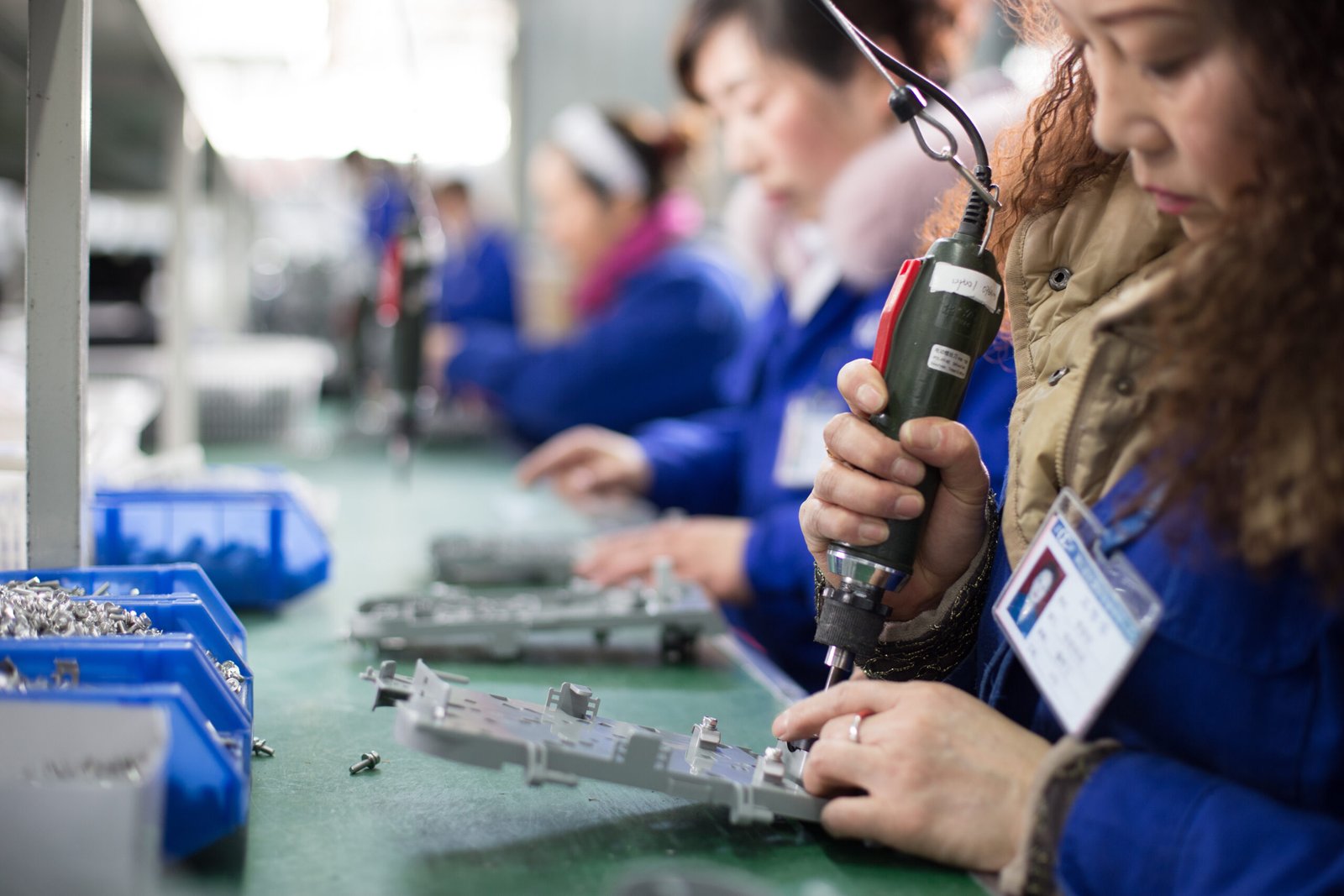
01 · Quality & Safety
Quality Begins with the Right Specification
Elevator quality is not created at the final stage of an order. It begins with understanding the application correctly, confirming the technical conditions clearly and ensuring that the selected equipment, components and documentation match the project requirements.
- Special Equipment Production LicenseRecognized operating foundation in the industry.
- ISO 9001 / 14001 / 45001Quality, environment and occupational health & safety systems.
- 20+ patents & software copyrightsPart of the company’s technical development record.
02 · A Quality System Built Around Project Requirements
Get the Technical Conditions Right Before Production
Many elevator problems begin before manufacturing starts. An incorrect shaft dimension, an unconfirmed entrance arrangement, the wrong voltage or an unsuitable component specification can affect the project long before the equipment reaches the site.
Depending on the project, the review may include:
- Elevator application
- Rated load and speed
- Travel, floors and stops
- Entrance arrangement
- Hoistway, pit and overhead
- Door opening
- Drive and control requirements
- Electrical conditions
- Cabin and finish requirements
- Destination market and documentation
A clearer specification creates a more reliable basis for manufacturing, sourcing and delivery.
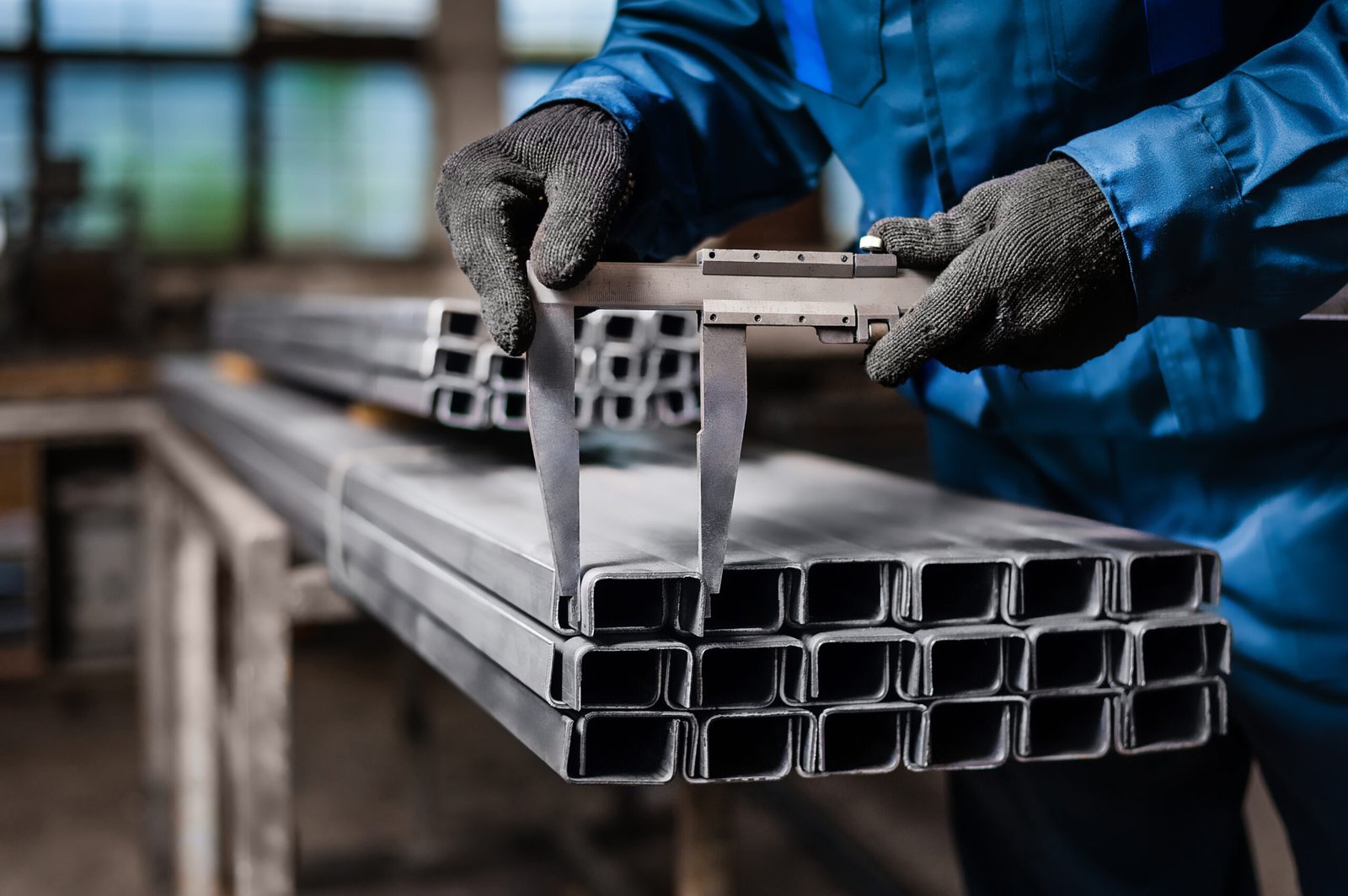
03 · Quality Management
Structured Processes Support Consistent Supply
JAFITA’s company qualification portfolio includes ISO 9001 Quality Management System certification. For an elevator project, quality management involves more than the appearance of the finished equipment.
It also depends on how technical information, product requirements, supplier coordination and project documentation are managed throughout the order.
- 01
Customer Requirements
What does the building and application actually require?
- 02
Technical Configuration
Which elevator system and product configuration are appropriate?
- 03
Manufacturing & Supply
Which production and component resources should support the confirmed specification?
- 04
Documentation
Which drawings, technical information and supporting documents need to accompany the project?
- 05
Delivery
How should the confirmed equipment scope be prepared and coordinated for the customer?
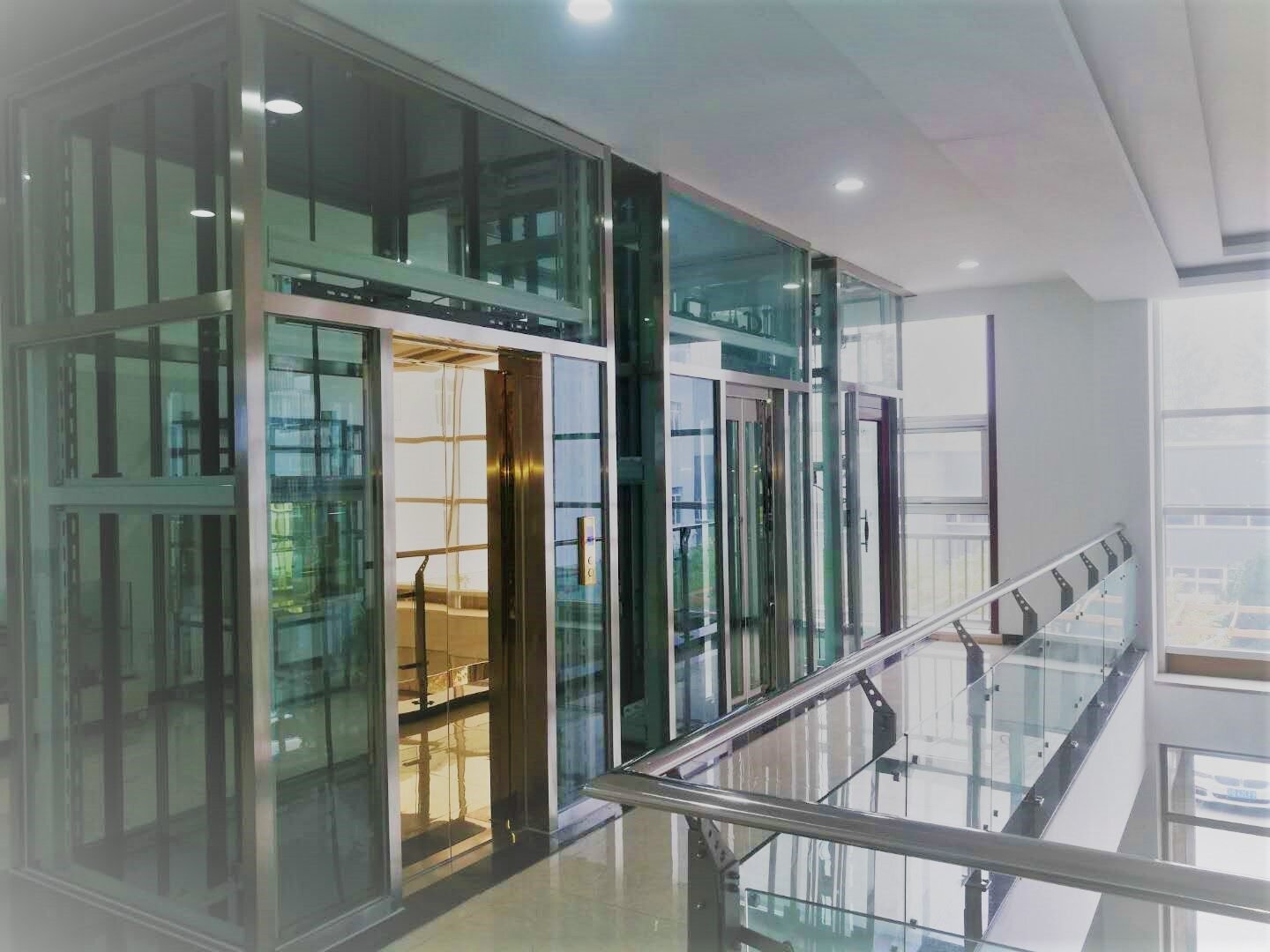
04 · Safety as a Core Elevator Requirement
Every Major System Must Work Together
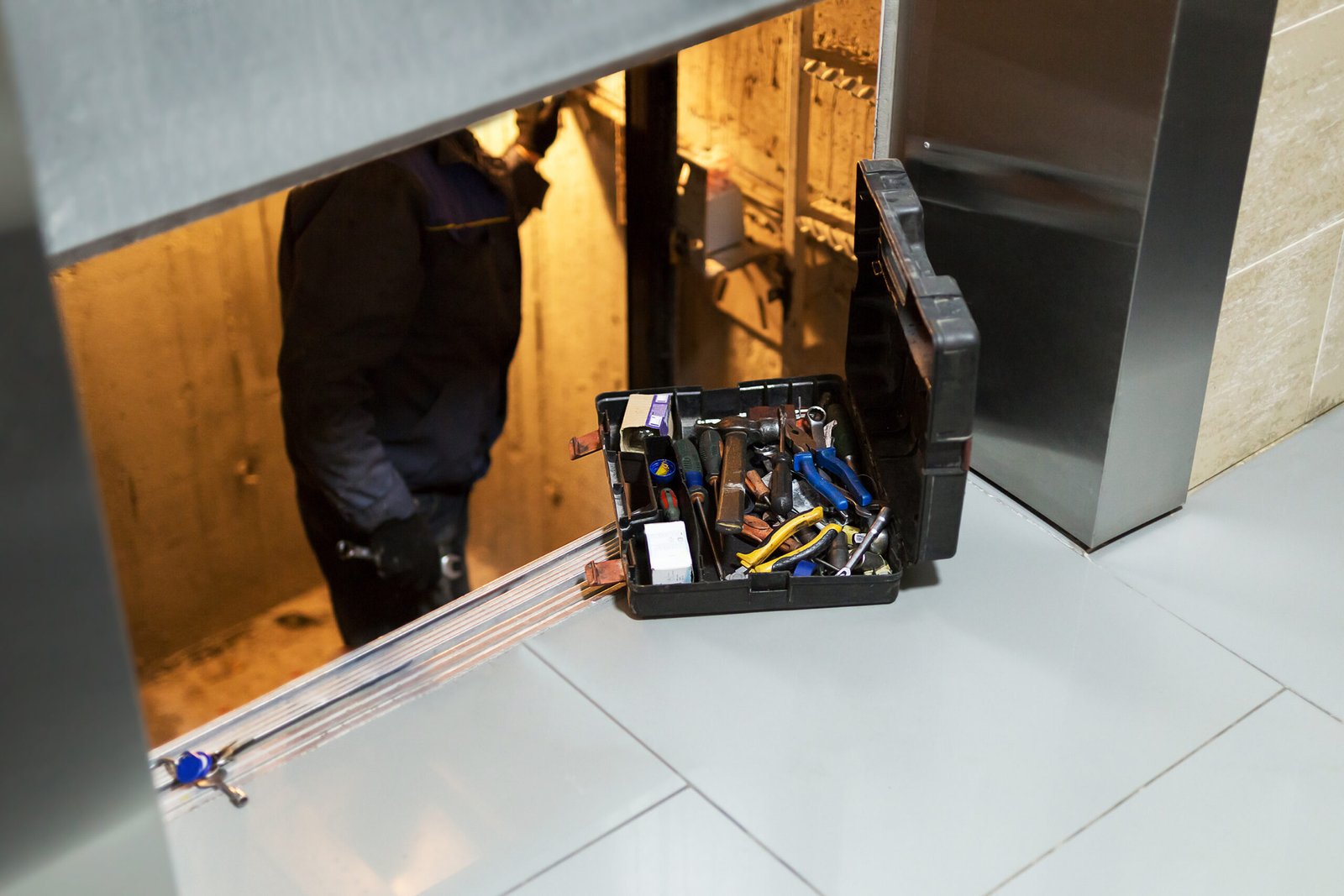
An elevator is a complete system rather than a collection of independent products. Drive equipment, controls, doors, guide systems, suspension components and safety-related devices must be selected as part of a coordinated configuration.
JAFITA’s freight-elevator manufacturing and OEM experience has helped build practical knowledge of how elevator structures and components interact within the complete system. The company materials identify freight elevator production as a core business strength and document long-term OEM cooperation with established elevator companies.
For project supply, technical compatibility is treated as an important part of product selection.
- Drive equipment
- Controls
- Doors
- Guide systems
- Suspension components
- Safety-related devices
05 · Component Compatibility Matters
Similar Appearance Does Not Mean the Same Specification
This is especially important when sourcing elevator replacement parts. Two components may look similar while differing in model, electrical parameters, dimensions, mounting arrangement, connector configuration, communication requirements or compatible elevator system.
Useful information may include:
- Manufacturer
- Equipment model
- Part number and nameplate
- Electrical data
- Dimensions
- Connector photographs
- Original drawing
- Required quantity
06 · Management System Certifications
Quality, Environment and Occupational Health & Safety
JAFITA’s company materials present three ISO management-system certifications. Together, they form part of the management foundation behind JAFITA’s business operations and project coordination.

ISO 9001
Quality Management System
Supports the structured management of processes related to quality, documentation and continuous improvement.
ISO 14001
Environmental Management System
Provides a framework for managing environmental responsibilities within company operations.

ISO 45001
Occupational Health & Safety
Supports the systematic management of occupational health and safety responsibilities.

07 · Licensed Industry Capability
Special Equipment Production License
JAFITA’s qualification portfolio includes a Special Equipment Production License. For customers evaluating an elevator supplier, company qualifications help establish whether the business has a recognized operating foundation within the industry.
They should, however, be evaluated together with:
- Actual product scope
- Technical capability
- Project experience
- Product documentation
- Applicable product certification
- Destination-market requirements
JAFITA distinguishes between company qualifications and the standards or certifications required for a specific elevator product or market.
08 · Company Certification Is Not the Same as Product Certification
Confirm the Requirement for Every Destination Market
International elevator projects can involve different technical and regulatory requirements. A company-level management-system certificate does not automatically mean that every elevator configuration is certified for every country.

- Destination country
- Required standard
- Elevator category
- Product configuration
- Certification requirement
- Electrical conditions
- Documentation requirements
- Project-specific approval needs
09 · Technical Documentation
Clear Information Supports Better Project Control
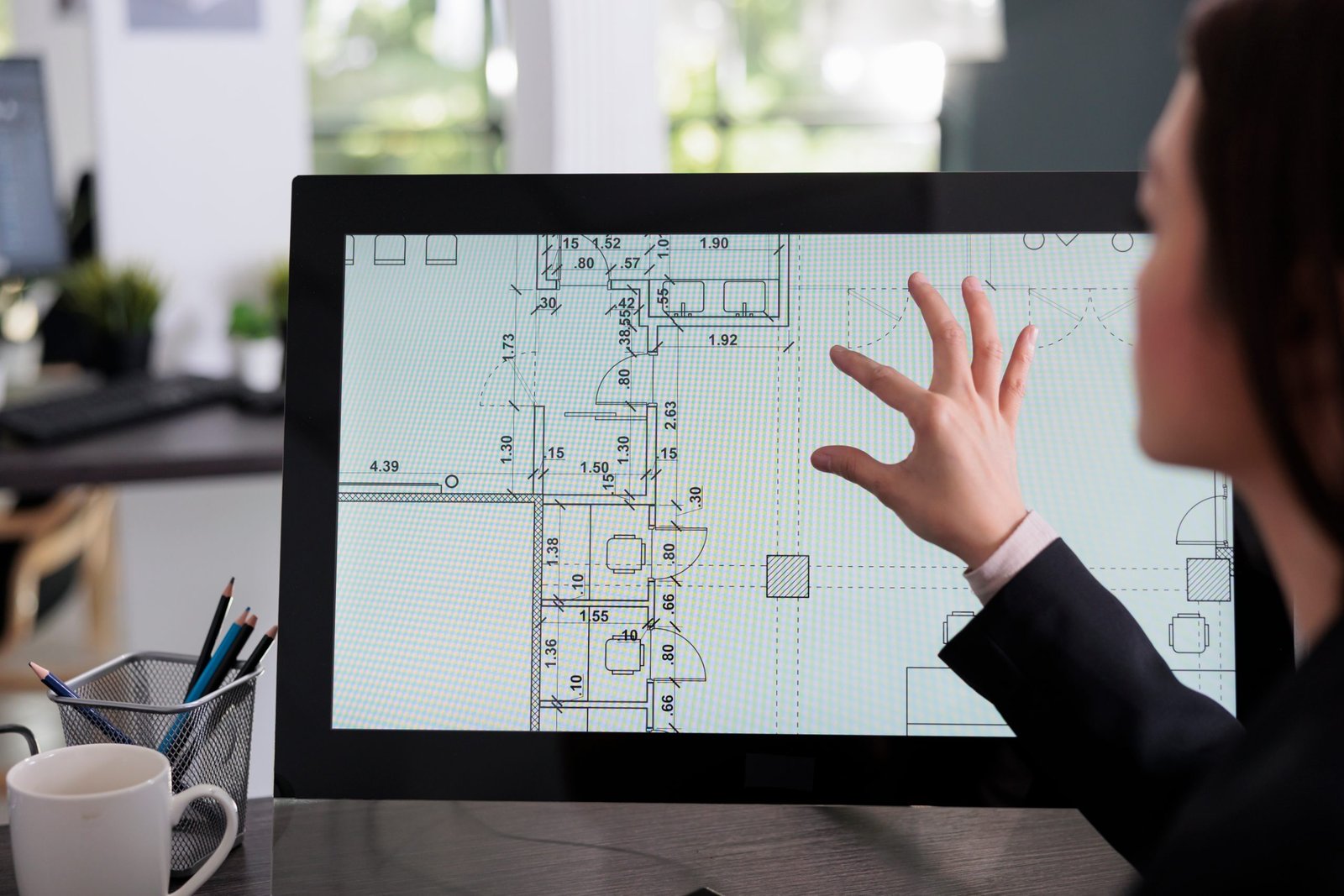
Depending on the product and project scope, technical and commercial documentation may be coordinated during the order process.
- Product specifications
- General arrangement drawings
- Hoistway requirements
- Electrical information
- Component information
- Cabin and finish confirmation
- Operation and maintenance documentation
- Packing and export documents
- Applicable certificate documentation
The exact document package depends on the selected equipment, supply scope and project requirements.
10 · OEM Experience and Process Discipline
Repeatable Supply Requires More Than a Product Sample
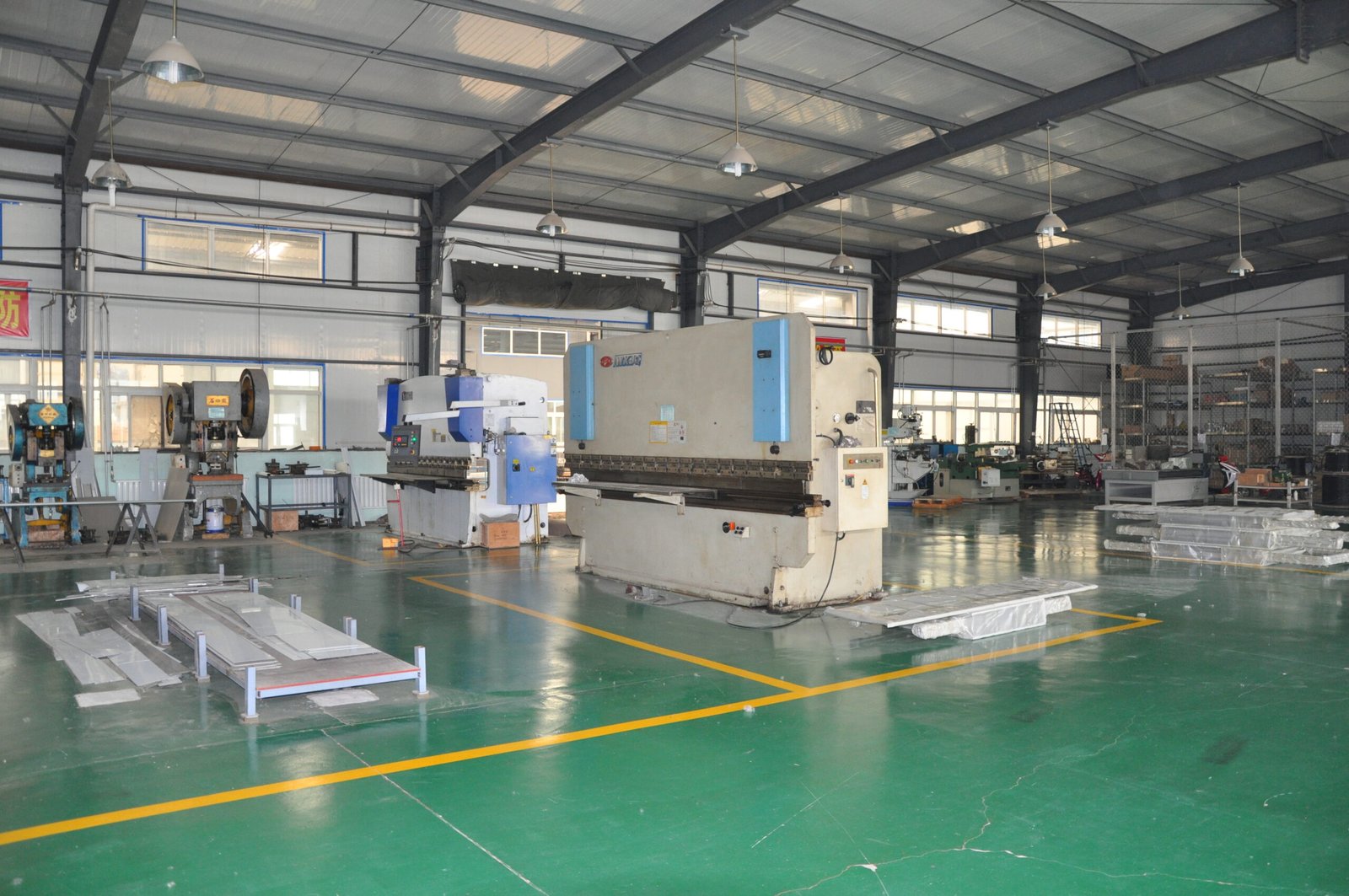
JAFITA’s manufacturing history includes OEM cooperation with elevator companies. OEM projects require a supplier to work against agreed specifications and maintain consistency in product configuration, components, documentation and communication.
Our company materials record long-term OEM cooperation and state that these projects helped JAFITA continuously improve its internal management processes and develop a more stable and efficient supply chain. This experience continues to influence how we approach:
- Customized elevator projects
- Private-label requirements
- Repeat orders
- Component sourcing
- Technical documentation
- Multi-product supply
11 · Technical Development
More Than 20 Patents & Software Copyrights
These form part of the company’s broader technical development record and complement its manufacturing, OEM and project-supply experience.
For customers, technical capability should ultimately be evaluated through a combination of:
Experience
How long has the supplier worked in the elevator industry?
Qualifications
What company licenses and management systems are in place?
Technical Understanding
Can the supplier identify the parameters that determine whether a product is suitable?
Documentation
Can technical information be clearly confirmed before supply?
Project Support
Can the supplier coordinate the equipment from enquiry through delivery?
That combination is more meaningful than any single certificate displayed in isolation.
12 · Quality for International Projects
Reduce Uncertainty Before Shipment
JAFITA began developing its elevator export business in 2008 and has since accumulated experience working with international markets.
For overseas customers, quality also depends on whether the project information survives the entire supply process without being lost between enquiry, manufacturing and delivery. Important international project details can include:
- Destination country
- Product specification
- Voltage and frequency
- Required documentation
- Product identification
- Packaging requirements
- Shipment arrangement
- Spare-parts requirements
Confirming these requirements early helps create a clearer basis for international supply.

13 · Our Quality Principle
Verify First. Configure Correctly. Supply Clearly.
For JAFITA, quality is not only about inspecting a finished elevator. It begins much earlier — an approach that reflects the manufacturing and OEM experience developed since the company was established in Beijing in 2001.
- 01Understand the project.
- 02Confirm the specification.
- 03Select the appropriate equipment and components.
- 04Coordinate the required documentation.
- 05Keep the confirmed configuration clear throughout supply.
14 · Need Qualifications or Technical Documents?
Send Your Document List with the Project Information
If your procurement process requires company qualifications, management-system certificates or project documentation, our team will confirm which documents are applicable and available for the selected scope of supply.