
01 · Elevator Modernization
Upgrade What Matters. Keep What Still Works.
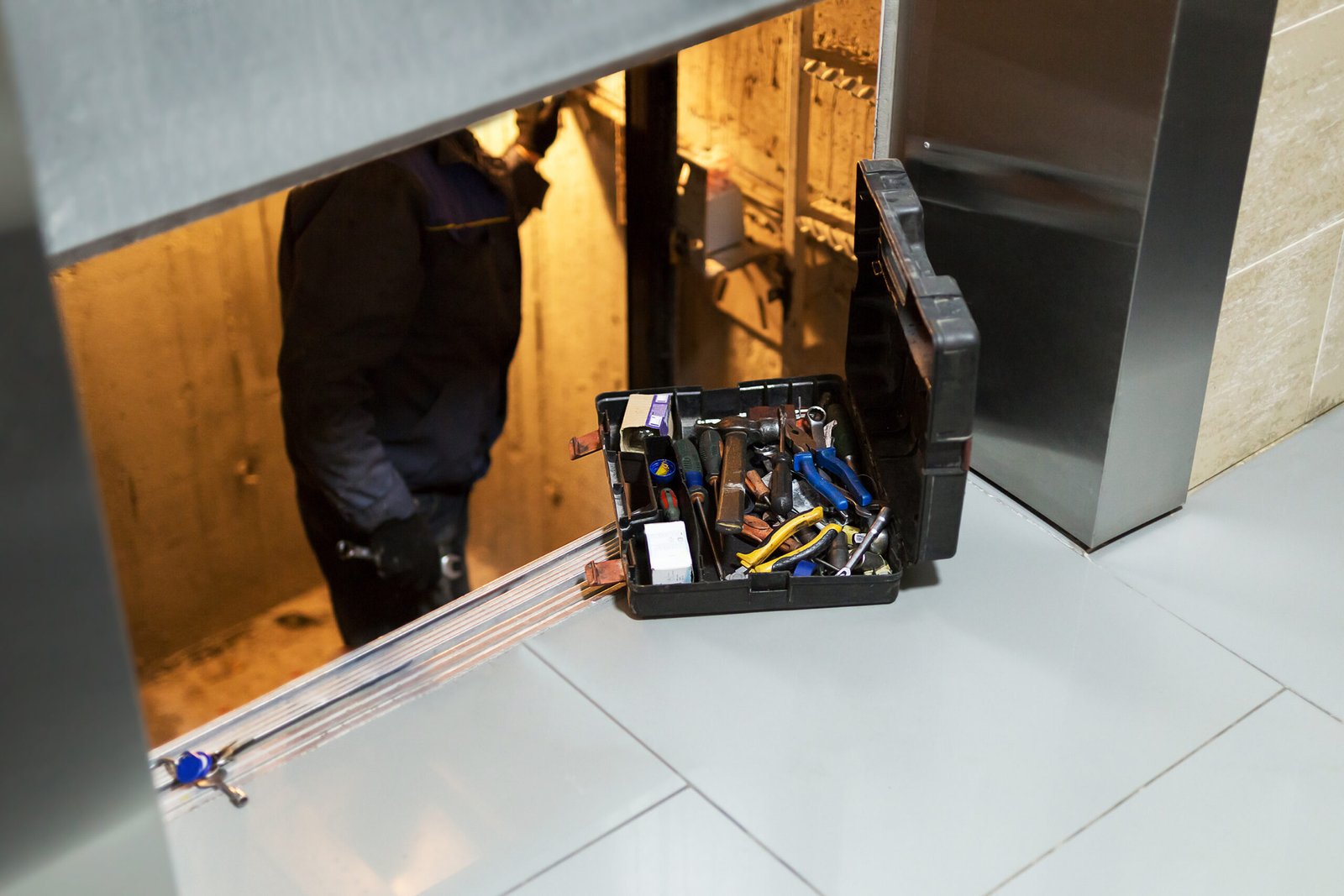
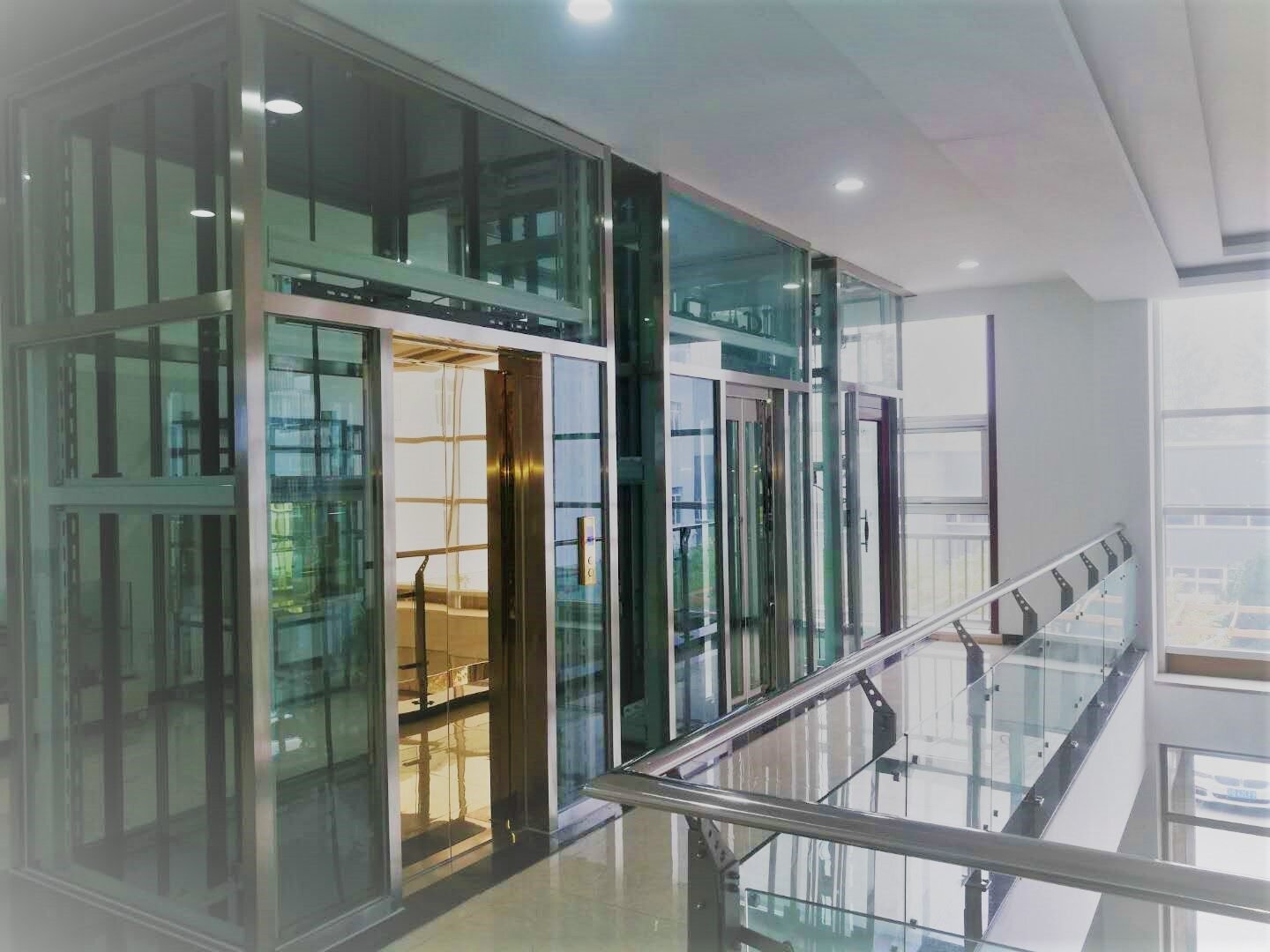
An aging elevator does not always need to be replaced as a complete system. In many cases, performance, reliability, usability or appearance can be improved by upgrading selected systems and components while retaining parts of the existing installation that remain suitable for service.
JAFITA supports elevator modernization projects through equipment review, component identification, technical coordination and replacement-part supply.
Understand the existing system first, then define what actually needs to change.
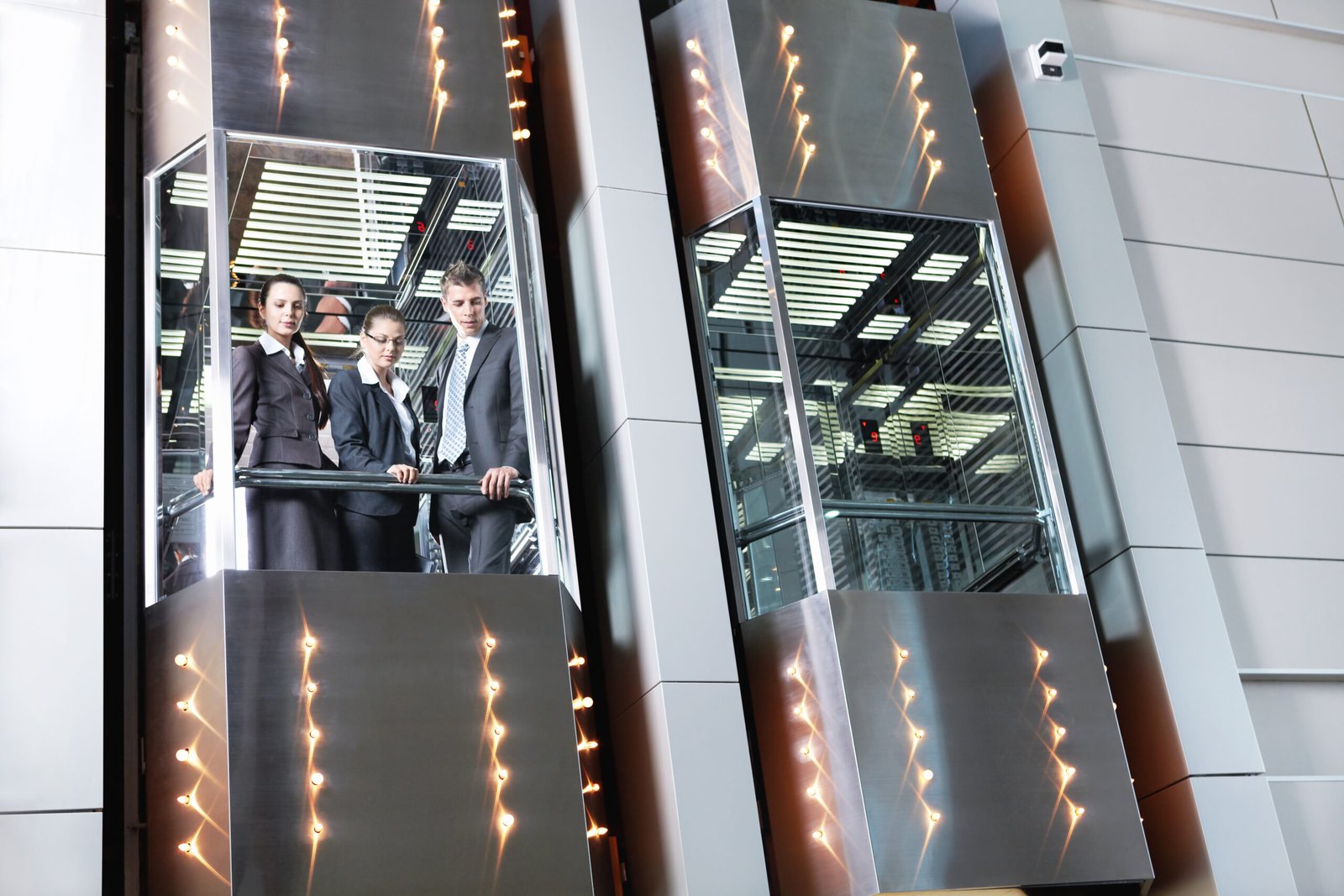 Upgrade what matters
02 · When Should an Elevator Be Modernized?
Modernization Usually Starts with a Problem
Customers rarely modernize an elevator simply because it is old. There is usually a specific reason behind the project. The correct modernization scope depends on the condition and configuration of the existing elevator.
- Increasing breakdown frequency
- Difficult-to-source replacement components
- Outdated control equipment
- Poor door operation
- Unstable ride performance
- Worn operating fixtures
- Aging cabin finishes
- Changing building requirements
- Need for improved accessibility
- Need to extend useful equipment life
A full replacement should not automatically be assumed when a more targeted upgrade may address the actual requirement.

03 · Start with the Existing Equipment
Modernization Is Different from New Elevator Supply
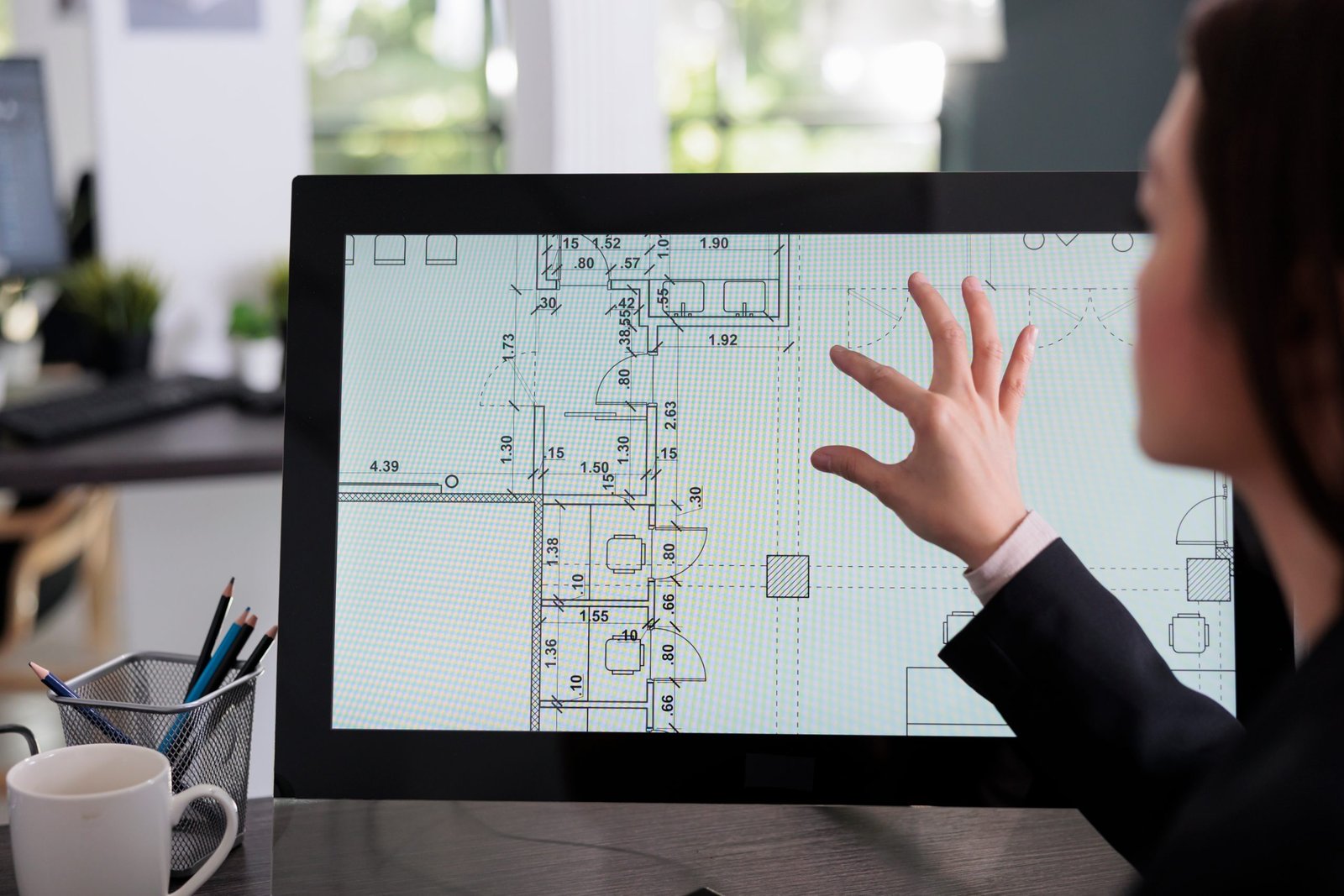
For a new elevator, the system can be configured from the beginning. For modernization, the new equipment must work with an existing installation. That makes identification and compatibility especially important.
Before proposing replacement components or upgrade options, useful information may include:
- Manufacturer and model
- Installation year
- Rated load and speed
- Stops and travel height
- Existing controller
- Traction machine
- Door operator
- Drive or inverter
- COP and LOP
- Existing drawings
- Nameplate photographs
- Current fault or performance issues
The more accurately the existing system is identified, the more meaningful the modernization discussion becomes.
04 · What Can Be Modernized?
What Can Be Modernized?
JAFITA’s broader business is built on more than two decades of elevator-industry experience, freight-elevator and OEM expertise, component resources and long-term project support. Modernization can be discussed system by system.
Control System
Older control equipment may become difficult to maintain as electronic components age or become unavailable. The replacement configuration must be evaluated against the existing motor, doors, operating fixtures, shaft equipment and other interfaces.
- Controller and control cabinet
- Drive and signal system
- Associated electrical equipment
Drive System
Compatibility with the existing mechanical and control configuration must be confirmed before replacement.
- Traction machine
- Inverter and drive control
- Encoder-related equipment
Door System
Door performance has a major effect on elevator reliability and passenger experience. Existing door dimensions, arrangement and interface information should be checked before selecting replacements.
- Door operator and door control
- Car-door and landing-door parts
- Sensors and mechanical parts
COP, LOP & Displays
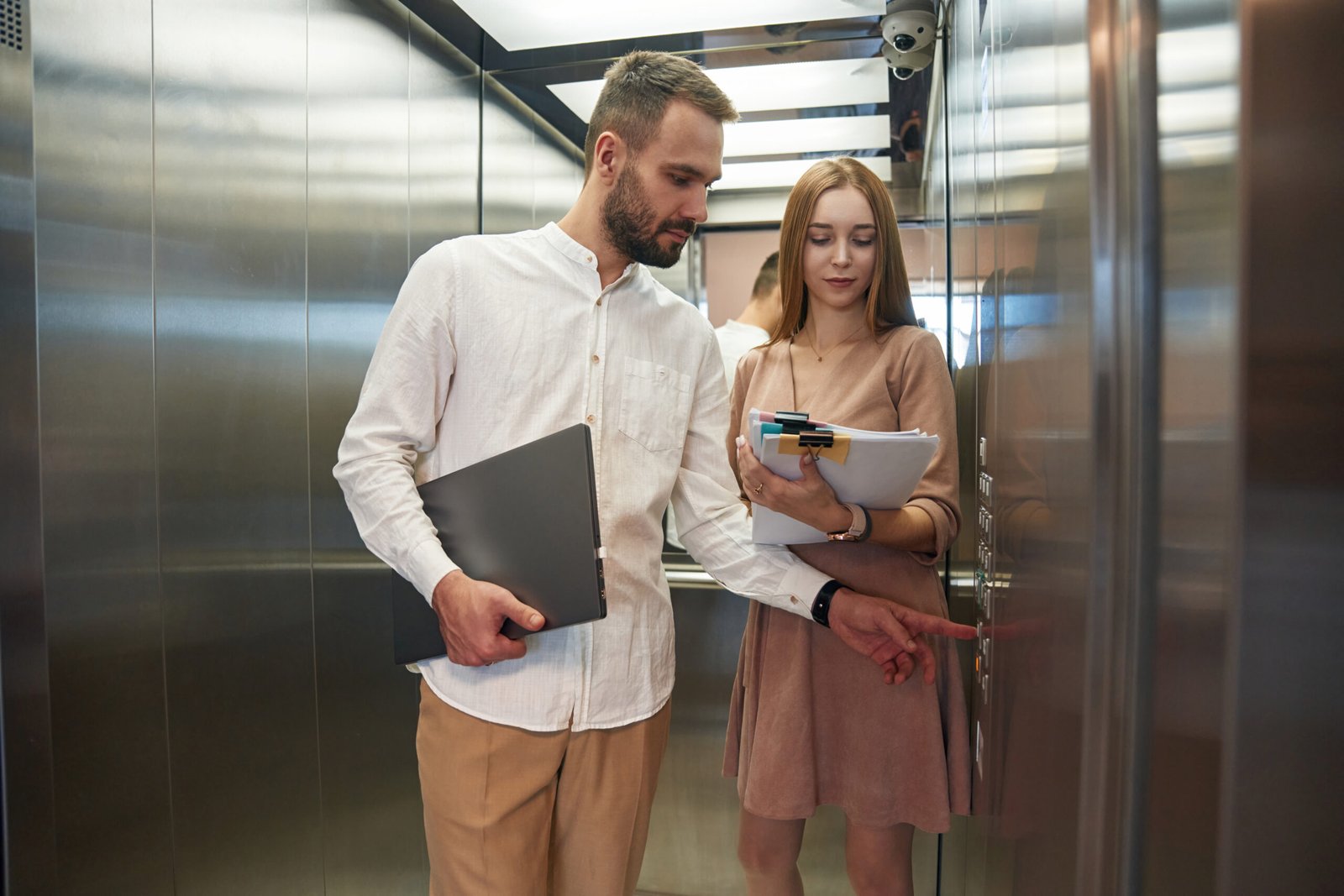
Operating fixtures are among the most visible parts of an elevator. Electrical and communication compatibility must be checked before an existing fixture is replaced.
- Car and landing operating panels
- Buttons, displays and indicators
- Interface components and panel finishes
Safety-Related Components
Depending on the condition and modernization scope, the project may also require review of safety-related elevator components.
The exact requirement should be determined according to the existing equipment, applicable project requirements and responsible technical assessment.
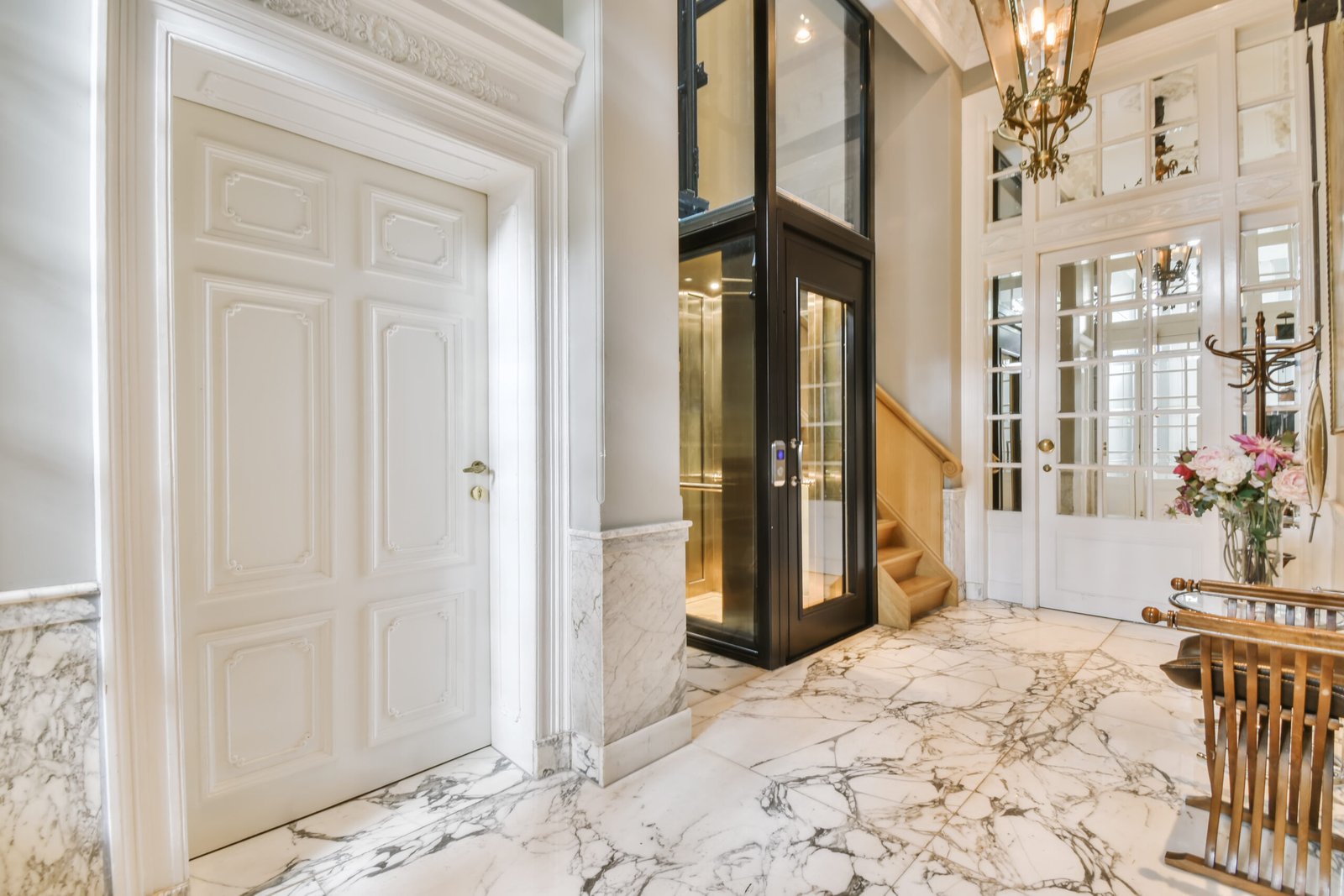
Elevator Cabin
Not every modernization project is driven by mechanical performance. Visual modernization should be coordinated with the retained equipment and overall project scope.
- Walls, ceiling, lighting and flooring
- Handrails, mirrors and car-door finish
- Operating-panel appearance
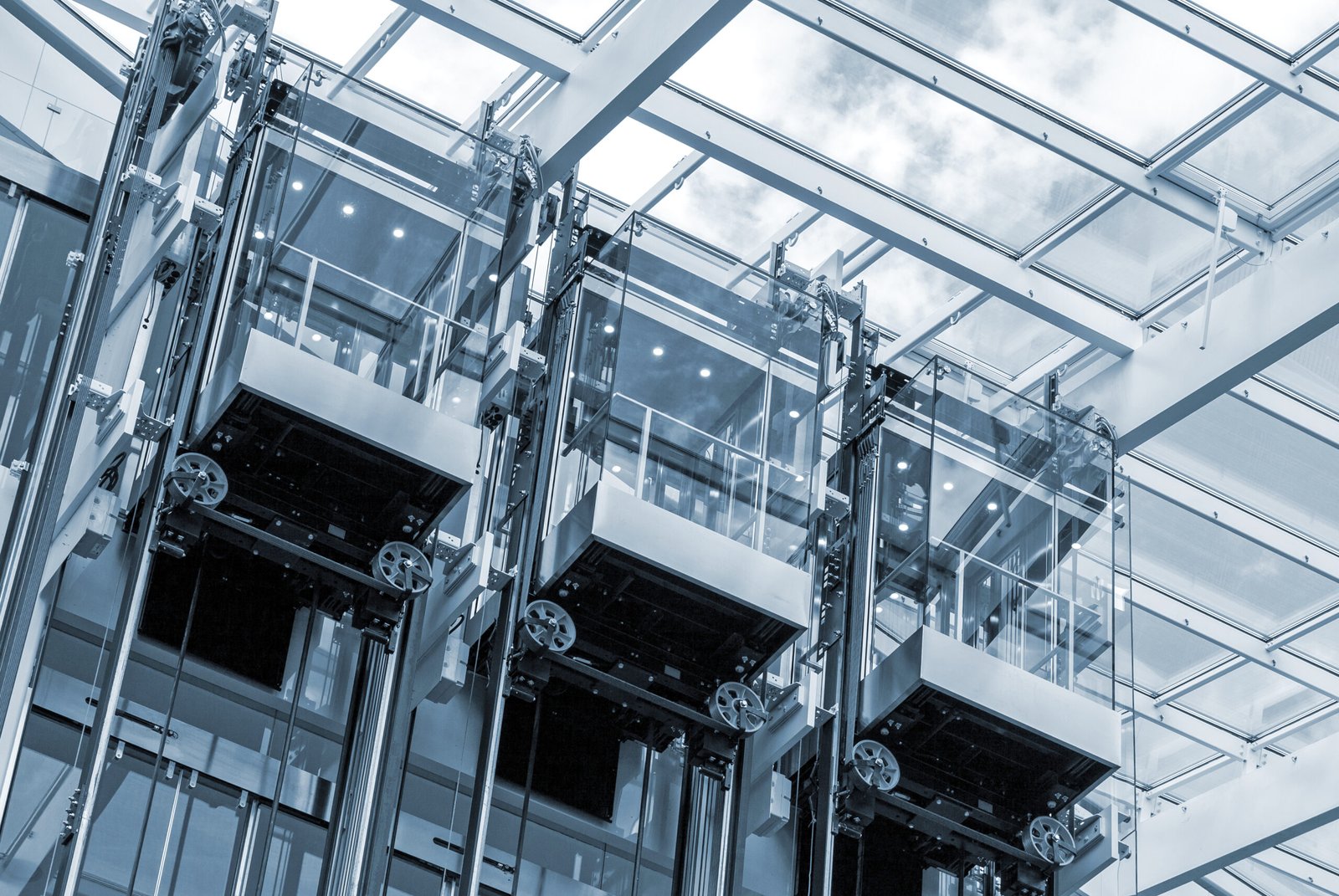
Partial modernization or complete replacement
05 · Partial Modernization or Complete Replacement?
The Answer Depends on the Existing System
There is no single modernization strategy that applies to every elevator. Some projects may need only selected replacement components. Others may require several major systems to be upgraded together. In some cases, the condition or technical limitations of the existing installation may make complete replacement more practical.
Existing Equipment Condition
Which systems remain serviceable and which are creating problems?
Component Availability
Are critical replacement parts still available?
Compatibility
Can new equipment communicate and operate correctly with the retained systems?
Building Conditions
Would complete replacement require significant changes to the existing shaft or building?
Project Objectives
Is the priority reliability, appearance, accessibility, maintainability or broader performance improvement?
Budget & Project Scope
Would a phased modernization provide a more practical route than replacing everything at once?
06 · Compatibility Comes Before Replacement
Match Components by Specification—not by Appearance.
A new component must work with the existing elevator. Modernization is one of the areas where incorrect component matching can cause significant problems.
Two controllers, door operators or electrical components may appear similar while differing in:
- Voltage
- Interface
- Communication protocol
- Encoder requirements
- Connector arrangement
- Dimensions
- Mounting points
- Software configuration
- Compatible equipment series
When requesting a replacement or modernization component, send the original technical information whenever possible.
07 · Modernization Component Supply
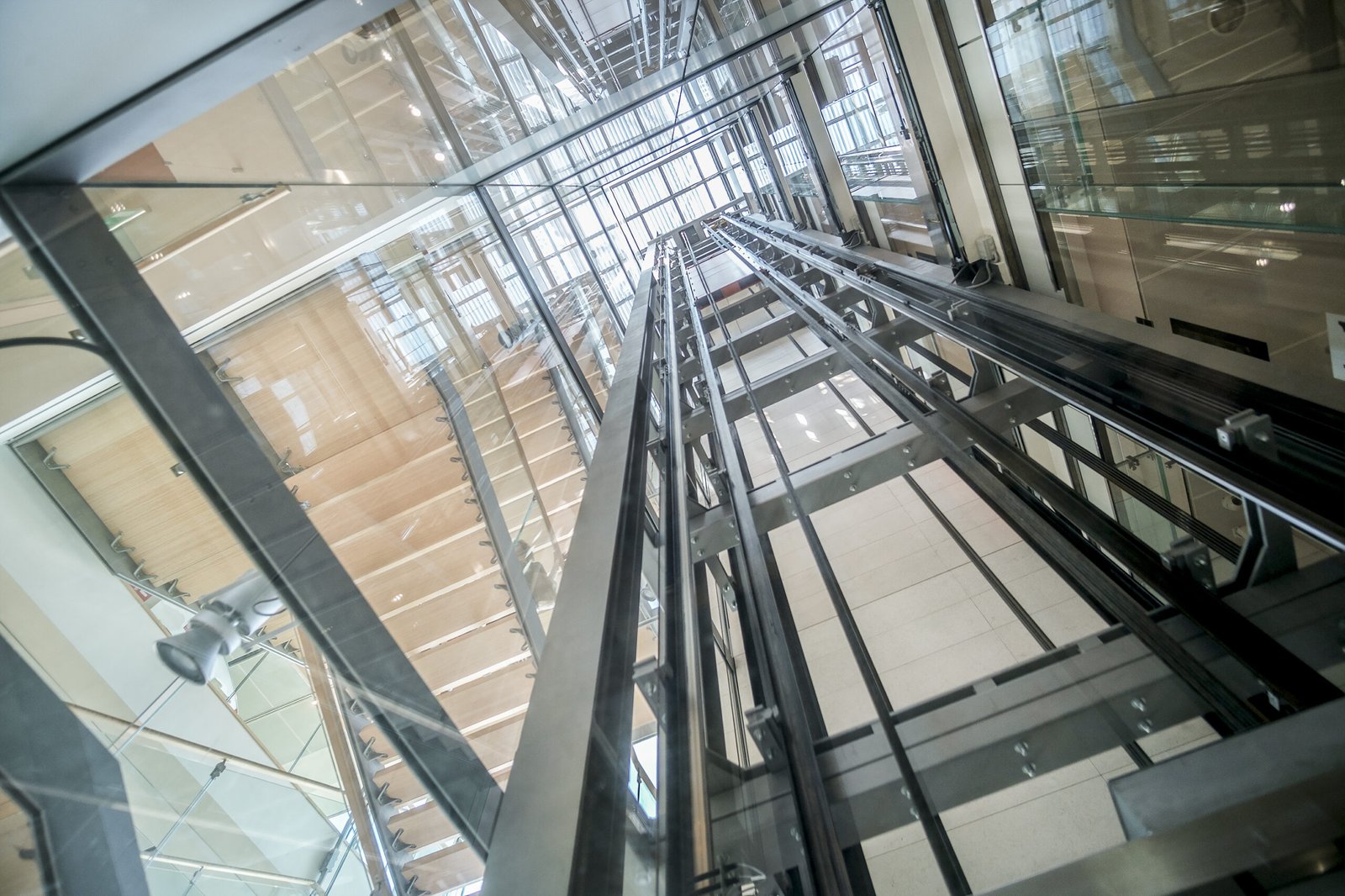
Modernization Component Supply
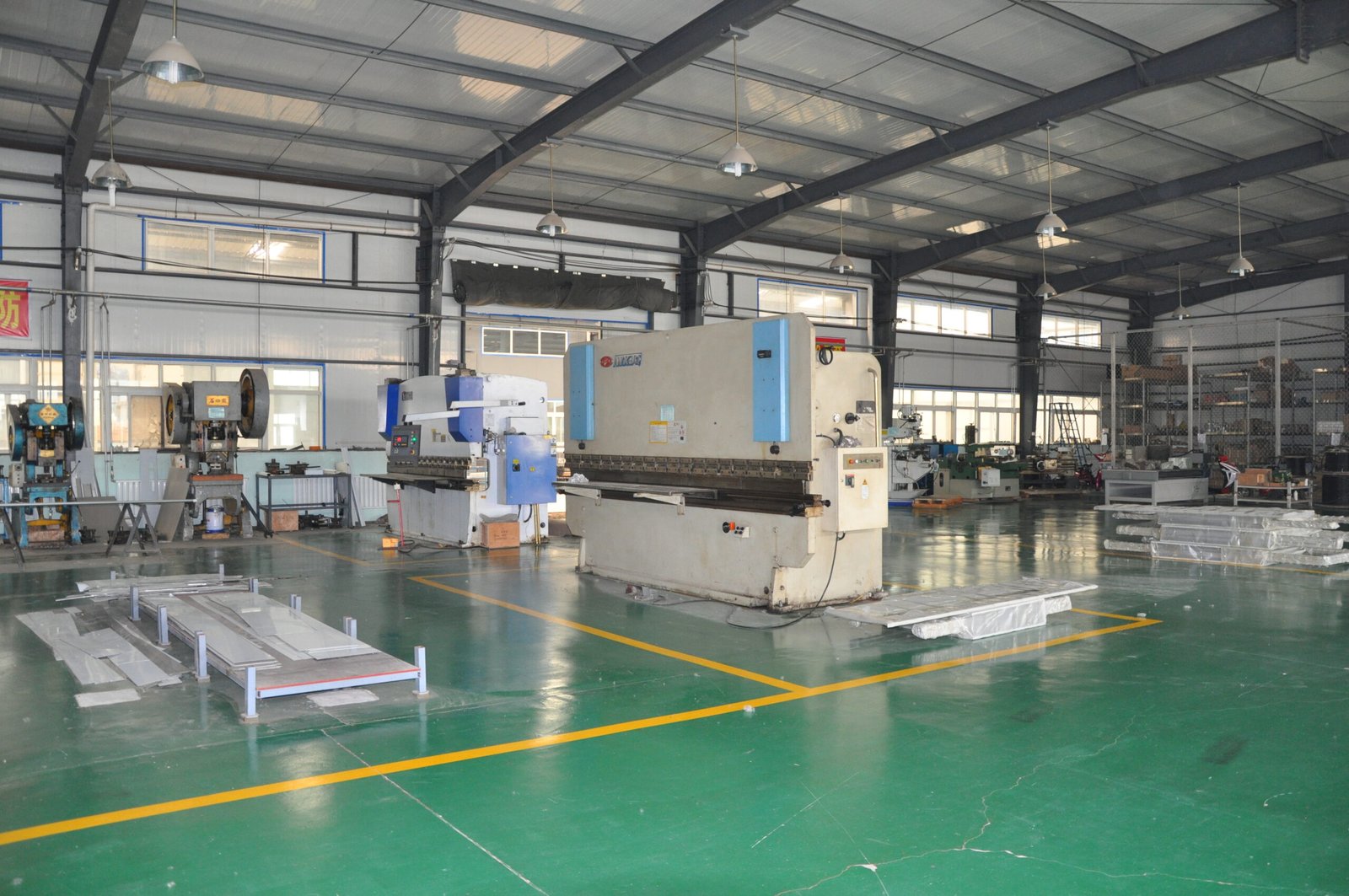
JAFITA’s broader component resources can support modernization and replacement requirements. Our company development includes long-term OEM cooperation and wider factory relationships, which have helped JAFITA build broader access to elevator products, technologies and supply resources.
- Traction machines
- Controllers and cabinets
- Inverters and drives
- Door operators and door parts
- COP, LOP and displays
- Guide and suspension components
- Electrical components
- Safety-related components

08 · A Practical Modernization Process
A Practical Modernization Process
- 01 · Identify the existing elevator
Provide the manufacturer, model, age and available technical information.
- 02 · Define the problem
Tell us what you want to improve: reliability, component availability, doors, controls, appearance, accessibility or another issue.
- 03 · Review existing components
Nameplates, drawings, photographs and electrical information help identify the current configuration.
- 04 · Define the upgrade scope
The project can then be discussed system by system rather than replacing equipment without a clear reason.
- 05 · Confirm compatibility
Replacement equipment must be checked against retained mechanical and electrical systems.
- 06 · Coordinate documentation
Applicable technical information is organized according to the confirmed modernization scope.
- 07 · Supply & technical support
Components and equipment are supplied according to the agreed project scope, with technical coordination where applicable.
09 · Modernization for Existing Buildings
Improve the Elevator Without Ignoring the Building
Older elevators are usually installed in older buildings. That means modernization decisions also need to respect existing physical conditions.
- Existing hoistway dimensions
- Pit
- Overhead
- Machine-room conditions
- Entrance sizes
- Landing arrangements
- Power supply
- Existing structural limitations
A technically attractive new product is not useful if it cannot be integrated with the actual building. JAFITA approaches modernization from both sides: the elevator system and the building around it.
10 · Modernization for International Projects
Modernization for International Projects
JAFITA has been engaged in elevator export business since 2008 and has developed experience working with international customers and different market requirements.
For an overseas modernization project, clear equipment identification is especially important because the site and supply team may be in different countries.
- Equipment nameplates
- Controller photographs
- Traction-machine information
- Door-operator information
- Existing drawings
- Wiring information where available
- Photographs of components and connectors
- Videos showing the current problem
- Project country
This information helps make the initial technical discussion more efficient.
11 · Supporting the Elevator Through Its Service Life
Supporting the Elevator Through Its Service Life
JAFITA’s company materials emphasize lifecycle service and engineering support as part of its overall elevator-service capability.
For modernization customers, long-term support can also involve subsequent requirements such as:
- Replacement parts
- Additional components
- Technical information
- Repeat equipment
- Previously confirmed component models
Keeping accurate equipment and component records makes future maintenance and replacement sourcing easier.
12 · Why Modernize with JAFITA?
Why Modernize with JAFITA?
Manufacturing & OEM Understanding
Our freight-elevator and OEM background provides practical understanding of complete elevator systems and component relationships.
Broader Component Resources
Long-term industry cooperation has expanded our access to different elevator technologies and supply resources.
Technical-First Identification
We begin with the existing system and technical information before recommending replacement equipment.
Complete-System Perspective
Controllers, drives, doors, fixtures and safety-related equipment should be considered as connected systems rather than isolated products.
International Communication
Export experience since 2008 supports modernization and component enquiries from overseas customers.

13 · Tell Us What Is Wrong with the Existing Elevator
You Do Not Need the Solution Before Contacting Us
Our team will review the available information and help determine what should be investigated or confirmed next.
- Elevator manufacturer · Model · Installation year
- Current problem · Project country
- Nameplates · Photos · Drawings · Component models · Videos