
01 · Installation & Commissioning
Clear Technical Coordination from Equipment Delivery to Site Readiness
A correctly manufactured elevator can still become a difficult project if the site conditions, drawings, interfaces and installation requirements are not clearly coordinated. JAFITA treats installation support as part of the overall equipment-supply process rather than something that begins only after the elevator arrives on site.
Depending on the project scope, our team supports customers with equipment documentation, technical communication and coordination around installation and commissioning requirements. Company materials emphasize full-lifecycle service support and an engineering service team as part of the broader project capabilities.

02 · Installation Starts Before the Equipment Arrives
Confirm the Building Interfaces Early
Many installation problems are caused by conditions that could have been identified during technical confirmation. Before production or shipment, the elevator configuration should be checked against the actual building conditions.
- Hoistway width and depth
- Pit depth and overhead
- Travel height and stops
- Floor-to-floor dimensions
- Entrance positions and door opening
- Machine-room or machine-space
- Power supply
- Equipment access
- Structural interfaces
The purpose is simple: make sure the equipment being supplied matches the site where it will be installed.
03 · General Arrangement Drawings
The Main Technical Reference Between Equipment and Building
General arrangement drawings provide the connection between the elevator specification and the building conditions. The final drawing package depends on the selected product and project scope.
- Hoistway dimensions
- Car arrangement
- Entrance position
- Door dimensions
- Pit requirements
- Overhead requirements
- Travel and stop arrangement
- Equipment position
- Relevant installation interfaces
Customers should review and confirm critical dimensions before production wherever required.

04 · Hoistway Coordination
A Small Dimensional Error Can Become a Large Site Problem
Elevator equipment must fit within a defined vertical space. If the actual shaft dimensions differ from the approved project information, installation can be affected. Customers should provide accurate building dimensions and report significant site changes as early as possible.
Hoistway Width & Depth
The available space for the elevator system.
Pit
The available space below the lowest landing.
Overhead
The vertical space above the highest served landing.
Door Opening
The available entrance width, height and landing arrangement.
Travel Height
The vertical distance between served levels.
Floor Levels
The actual elevation of each landing.
For existing buildings, accurate site measurements become especially important because the structure has already been completed.
Confirm site power before the configuration is finalized
05 · Electrical Coordination
Confirm the Site Power Conditions Before Supply
Electrical conditions vary between projects and countries. For international supply, the project should identify the applicable electrical requirements before the equipment configuration is finalized.
JAFITA has been engaged in elevator export business since 2008 and has developed experience working with different international market requirements.
- Supply voltage
- Frequency
- Phase
- Control-power requirements
- Earthing requirements
- Other project-specific electrical conditions
Confirming the site electrical conditions early helps reduce avoidable modification after delivery.
06 · Installation Documentation
Give the Site Team the Information They Need

The exact documentation package is confirmed according to the selected equipment and project requirements. JAFITA’s company qualifications and management systems provide part of the organizational foundation behind technical documentation and project coordination.
- General arrangement drawings
- Product specifications
- Hoistway information
- Electrical information
- Component information
- Installation-related documentation
- Operation and maintenance documents
- Packing information
07 · Installation Support for Different Project Types
The Site Type Changes the Coordination Questions
New-Build Projects
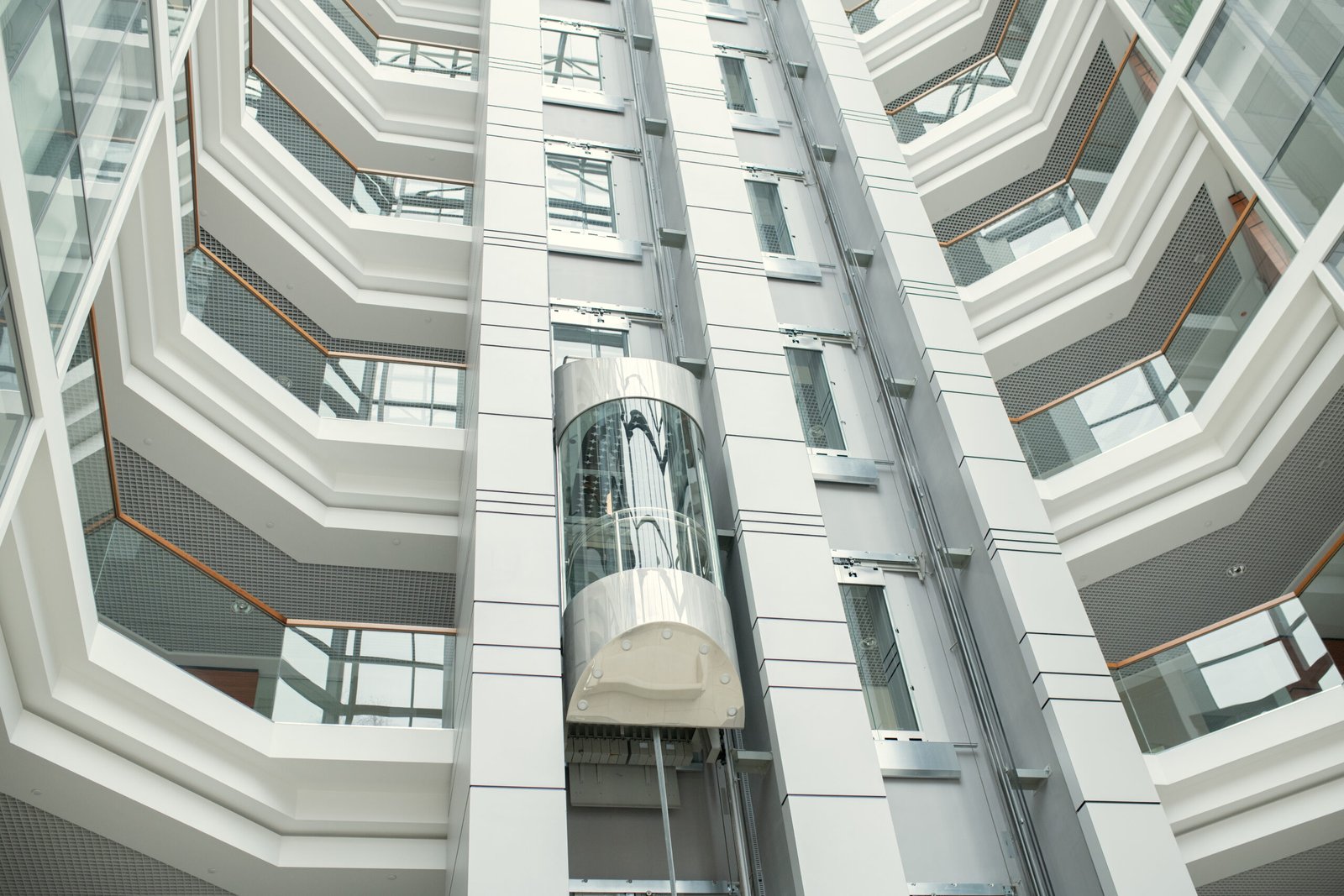
Elevator requirements should be coordinated with the building design as early as possible — shaft dimensions, pit and overhead, entrance locations, equipment space, electrical requirements and the construction schedule. Early coordination usually provides more flexibility than correcting structural interfaces after the building has progressed.

Existing-Building Projects
Existing structures create tighter constraints: limited shaft space, existing floor levels, restricted pit or overhead, structural limitations, building access and circulation routes. Equipment selection and installation feasibility should be considered together.
Freight & Heavy-Duty Projects
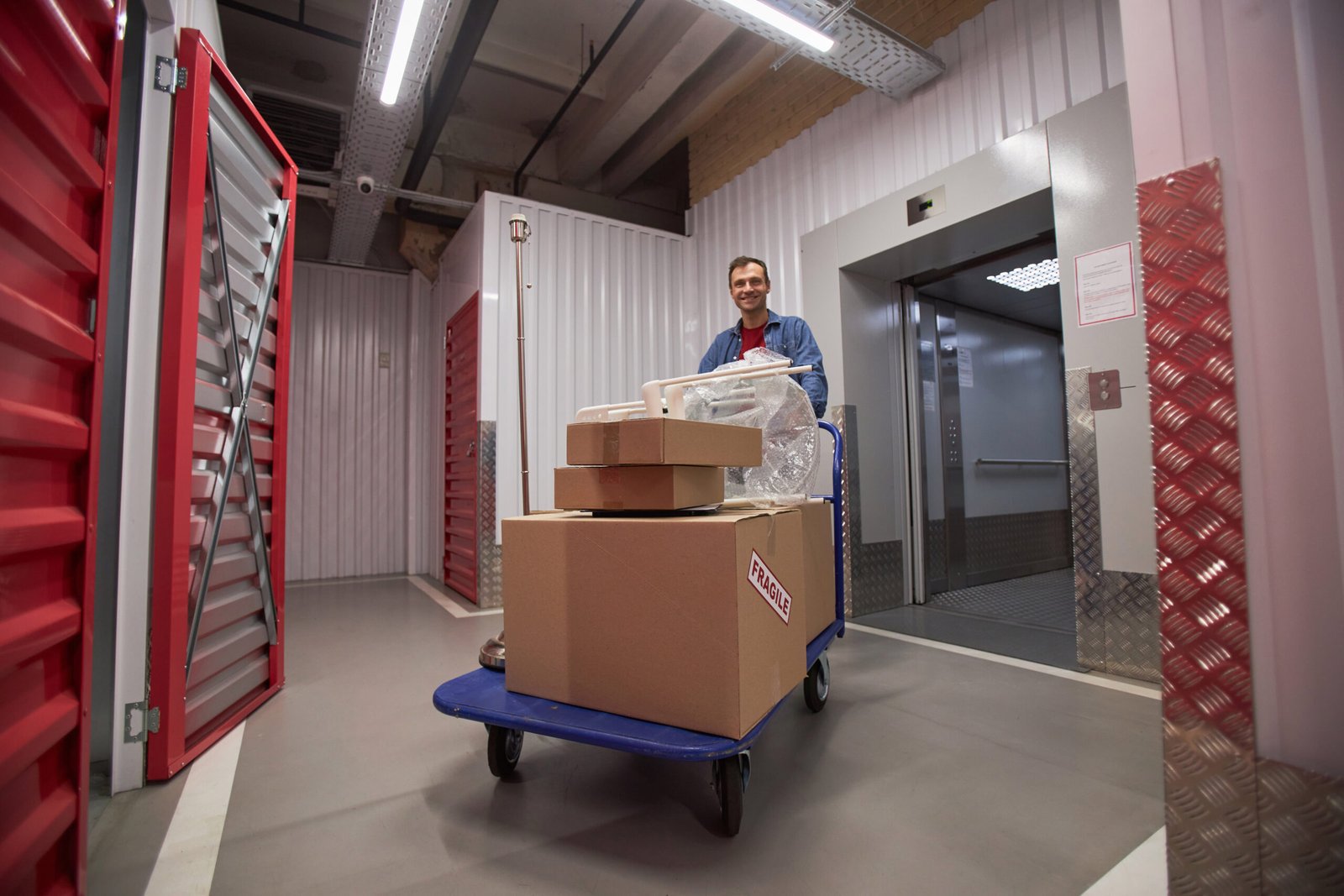
Freight elevator installation may require particular attention to car and door dimensions, loading access, floor loading, goods movement, entrance arrangement and the industrial operating environment. JAFITA’s freight-elevator manufacturing and OEM background provides practical experience in this category.
Escalator & Moving Walk Projects
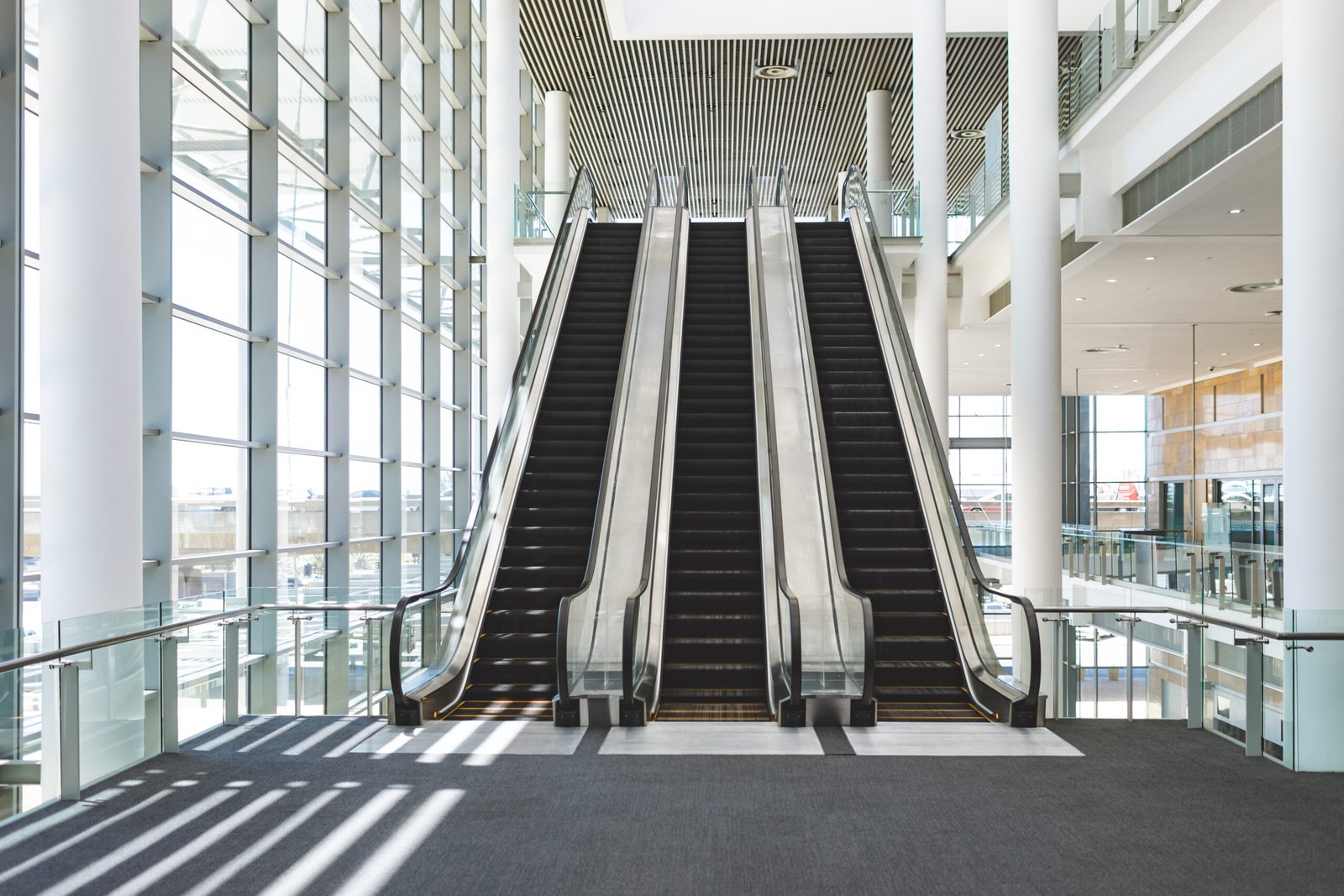
Project coordination may involve installation position, vertical rise, inclination, opening dimensions, support conditions, equipment access and passenger-flow requirements. The actual installation requirements depend on the selected equipment and site.
08 · From Delivery to Installation
Keep Equipment Identification Clear
Elevator projects involve many mechanical and electrical components. Clear equipment identification helps the installation team understand which items belong to which elevator and where they are used.
For international shipments, this is especially important when multiple elevators or equipment categories are delivered within one project. The detailed packing and delivery method is confirmed according to the order and transportation arrangement.
- Equipment grouping
- Package identification
- Component identification
- Drawing references
- Packing information
- Shipment documentation

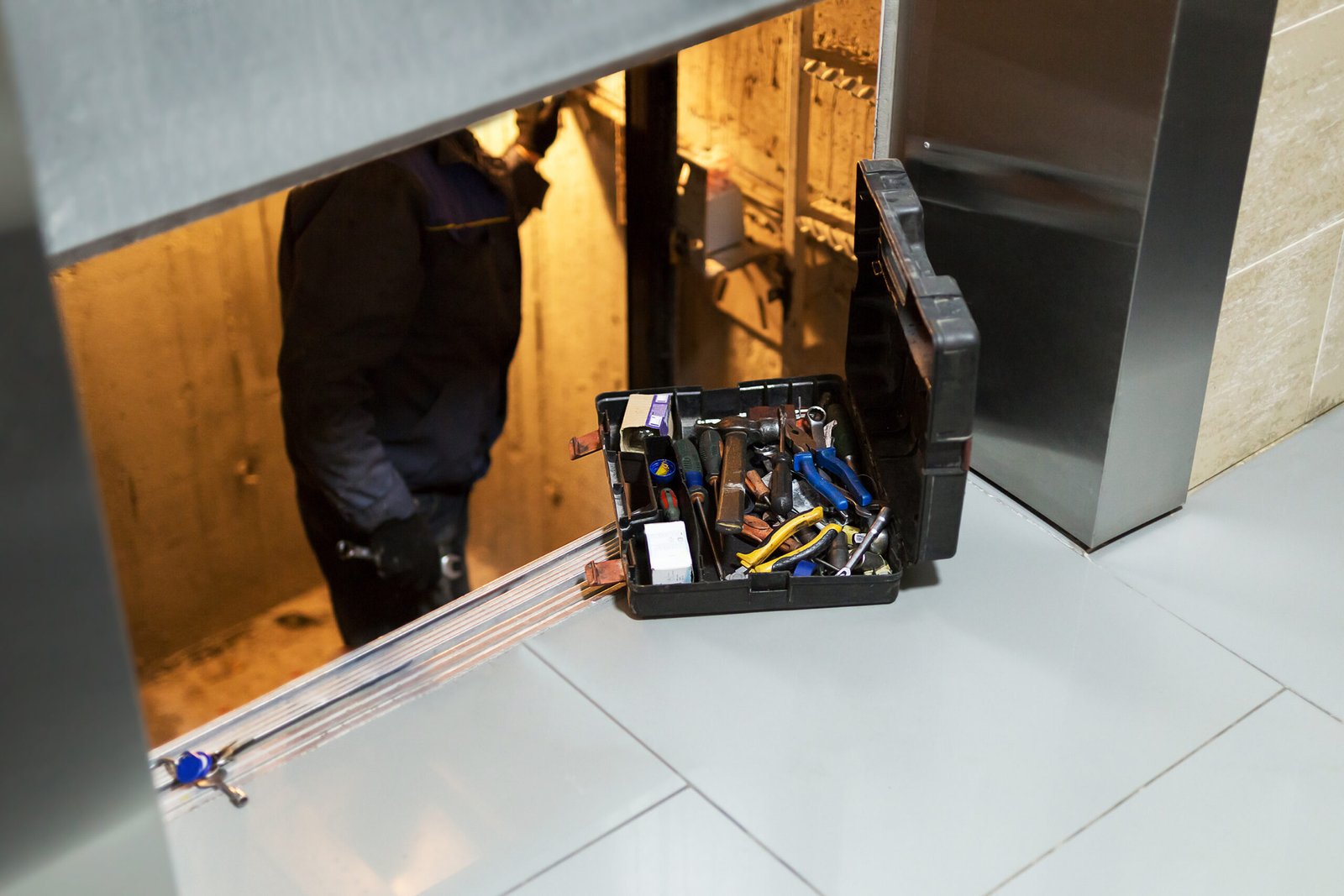
09 · Commissioning
Confirm That the Installed System Matches the Approved Configuration
Commissioning takes place after installation and is an important stage before the elevator enters normal service. The exact commissioning procedure depends on the elevator type, configuration, applicable requirements and the party responsible for installation at the project site.
From the equipment-supply side, technical coordination may involve confirming information related to:
- Equipment configuration
- Control-system settings
- Door operation
- Operating functions
- Component interfaces
- Electrical information
- Product documentation
Commissioning and final acceptance must follow the applicable local regulations, project requirements and responsibilities agreed for the actual installation.


10 · Local Installation Responsibilities
Clarify Who Does What Before the Order Is Finalized
International elevator projects may use different installation models. The responsibility for installation, commissioning, local inspection and regulatory approval should therefore be clearly defined before the equipment is supplied.
Depending on the project, installation may be carried out by:
- The customer’s installation team
- A local elevator contractor
- A project-appointed installation company
- Other qualified parties agreed for the project
JAFITA’s role and support scope are confirmed according to the contract and project requirements. This distinction helps avoid unclear expectations after the equipment arrives.
11 · Installation Problems We Try to Prevent Earlier
Clear Technical Confirmation Reduces Site Risk
Some of the most common project difficulties are not manufacturing defects. They are interface problems. Our objective is to identify as many of these issues as possible before they become installation-stage problems.
Shaft Dimensions Do Not Match
The actual hoistway differs from the dimensions used during equipment selection.
Pit or Overhead Is Insufficient
The building conditions do not match the selected elevator configuration.
Entrance Position Has Changed
The actual landing arrangement differs from the approved drawing.
Electrical Conditions Are Different
Voltage or power conditions were not confirmed correctly before supply.
Site Changes Were Not Communicated
Construction changes occurred after technical confirmation.
Components Cannot Be Identified
Packaging or equipment information was not clearly referenced during site work.
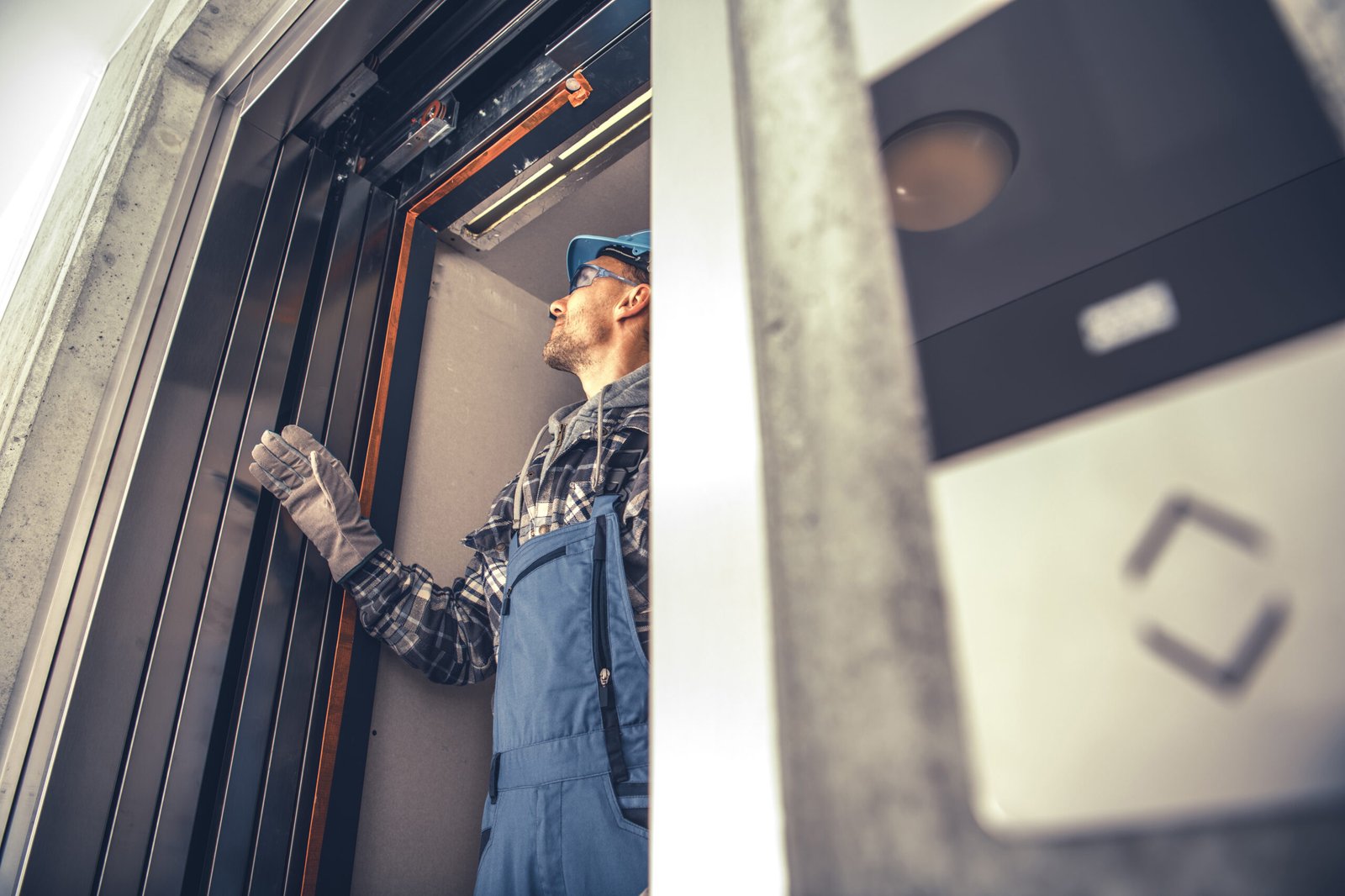

International supply communication since the first export years
12 · Technical Support During Installation
When Questions Arise, Technical Information Matters
Installation teams may need clarification regarding equipment, drawings or component interfaces during site work. Depending on the project and agreed support scope, JAFITA can coordinate technical communication related to the supplied equipment.
When the factory and project site are in different countries, customers can provide:
- Project drawings
- Site dimensions
- Site photographs
- Installation progress photographs
- Equipment identification
- Relevant videos
- Written description of the issue
- Equipment, drawing and electrical questions
Where additional site support is required, the scope should be discussed and agreed according to the actual project. The company brochure presents engineering-service capability and lifecycle support as part of JAFITA’s broader service offering.
13 · Before Installation Begins · After Installation
Recommended Project Checks, Then Keep the Records

Before site installation
The responsible project parties should confirm that the correct equipment has arrived, packages can be identified, required drawings are available, shaft, pit, overhead and entrances have been checked, electrical conditions are available, installation responsibilities are clear and applicable local requirements have been identified.
The exact installation and safety procedures must follow the selected equipment, project documentation and applicable local regulations.
After commissioning
Equipment records help future maintenance teams identify the elevator model, major components, electrical configuration, product drawings, original component models and replacement-part references.
This becomes particularly useful when replacement parts are required years later — and can support future enquiries for spare parts, additional units or repeat projects.

14 · Why Work with JAFITA?
Why Work with JAFITA?
Manufacturing Understanding
Our freight-elevator and OEM background provides practical knowledge of elevator structures, systems and component coordination.
Project-Based Technical Review
We emphasize building interfaces and technical confirmation before final supply.
Documentation Coordination
Relevant equipment and project information can be coordinated according to the selected product and agreed scope.
International Experience
Export business since 2008 supports communication with overseas customers and international project requirements.
Lifecycle Service Approach
Our company materials emphasize engineering support and full-lifecycle service as part of JAFITA’s broader service capability.

15 · Preparing for Installation?
Send the Project Information You Already Have
Our team will review the information and help clarify the next technical step within the agreed support scope.
- New projects: country · type · quantity · hoistway · floors · travel
- Already delivered: project reference · model · drawings · site photos · question