
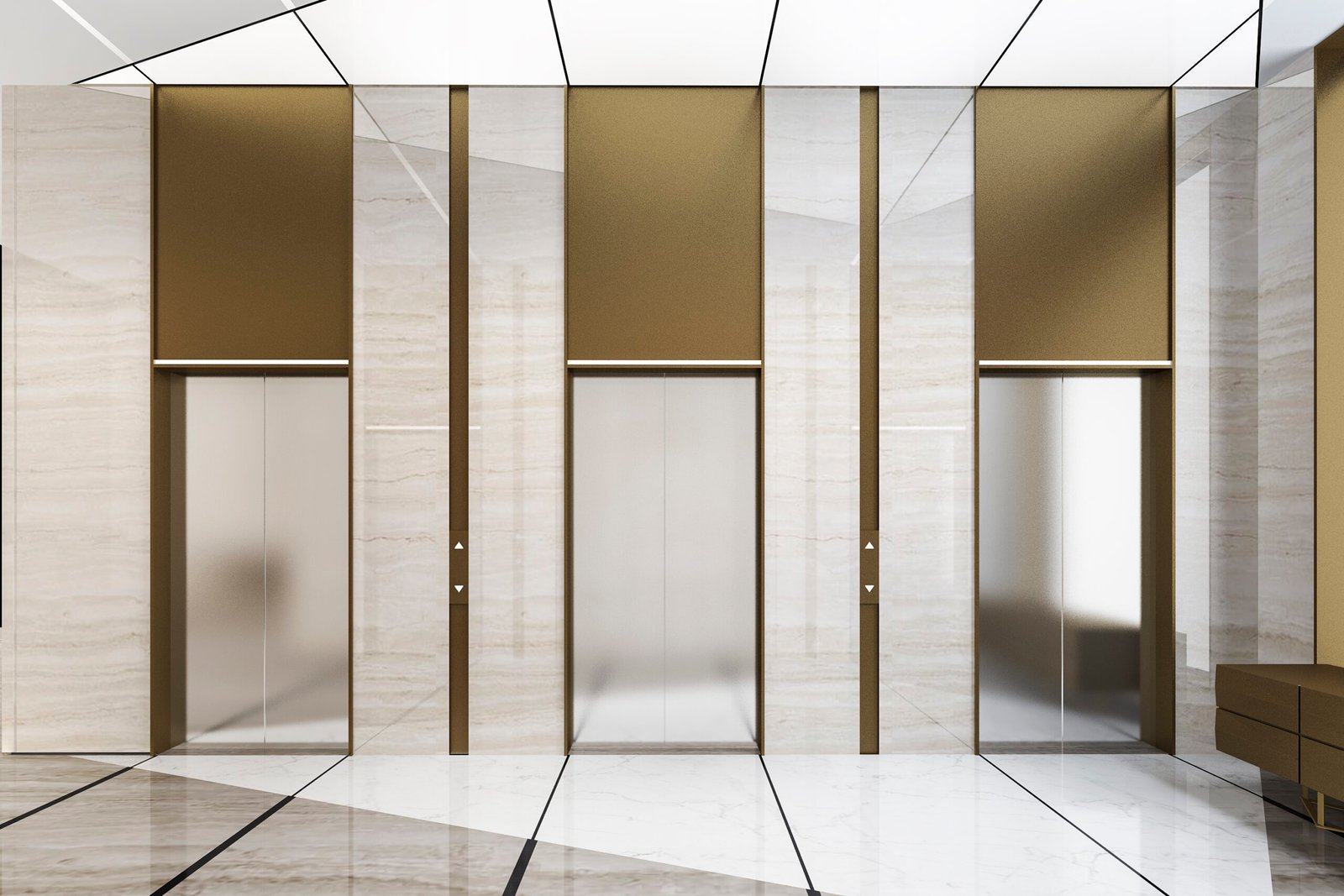
01 · Multi-Brand Elevator Solutions
The Right Elevator Is Not Always from the Same Manufacturer
Different elevator manufacturers have different strengths. JAFITA reviews the application, then coordinates suitable product and manufacturing resources around the project.

02 · Select by Requirement, Not by Brand Name Alone
A Brand Is Only One Part of the Specification
An elevator should not be selected only because the manufacturer is well known. For professional procurement, the more important question is whether the proposed system matches the actual project.
- Elevator application
- Rated load and speed
- Travel, stops and traffic
- Hoistway, pit and overhead
- Entrance arrangement and door opening
- Operating environment and functions
- Destination country and standards
- Budget and delivery requirements
The objective is not to recommend the most famous name. It is to identify the most appropriate solution for the project.
03 · Why a Multi-Brand Approach Matters
Different Applications Create Different Priorities
A passenger elevator in a premium hotel and a freight elevator in a logistics warehouse may both move vertically, but their design priorities are very different. Using one product platform for every application is not always the most practical solution.

Passenger Elevators
Ride comfort, traffic handling, door performance, noise, control functions and interior design may be the key considerations.
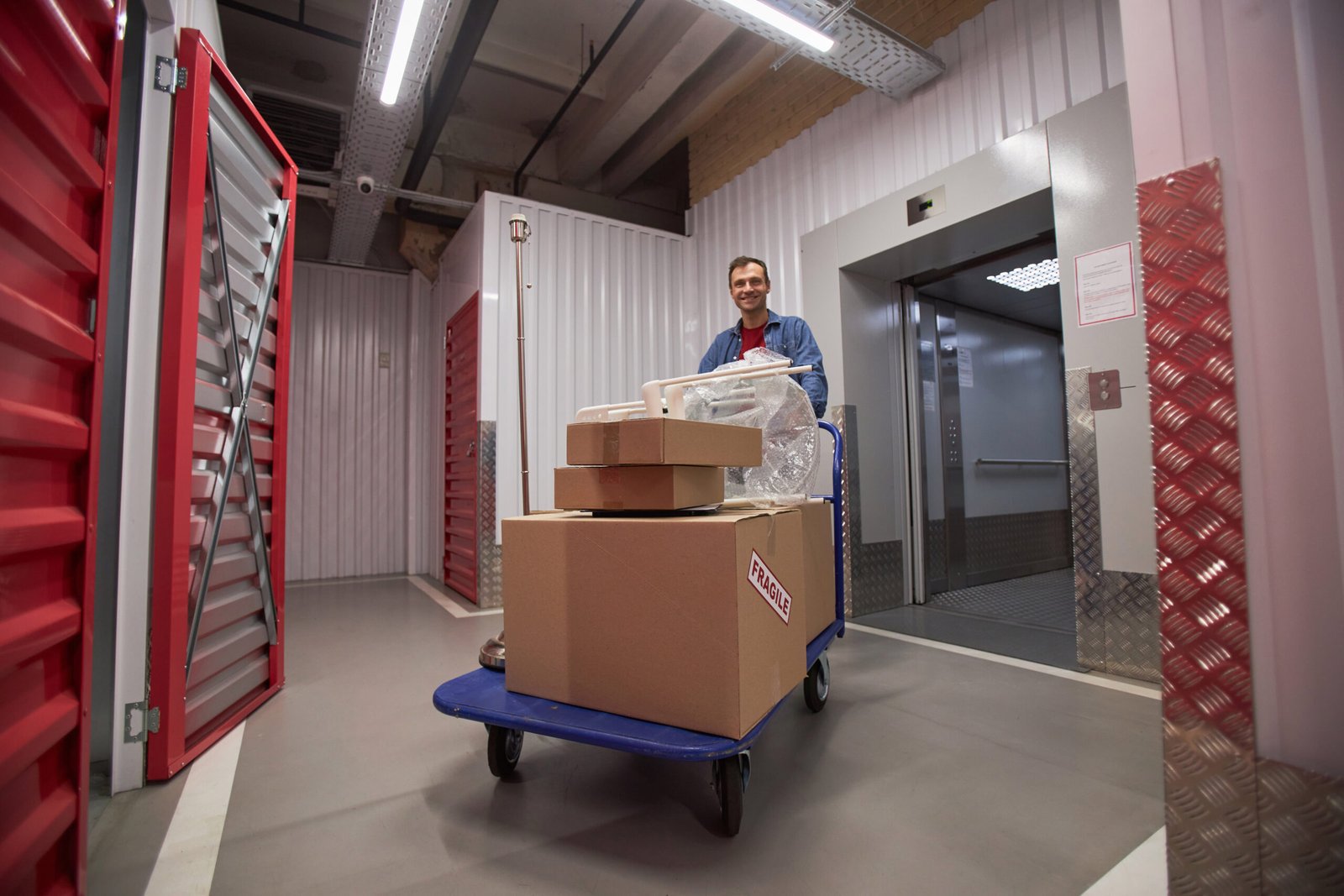
Freight Elevators
Rated load, car-frame strength, loading method, door durability, floor protection and duty cycle become more important.
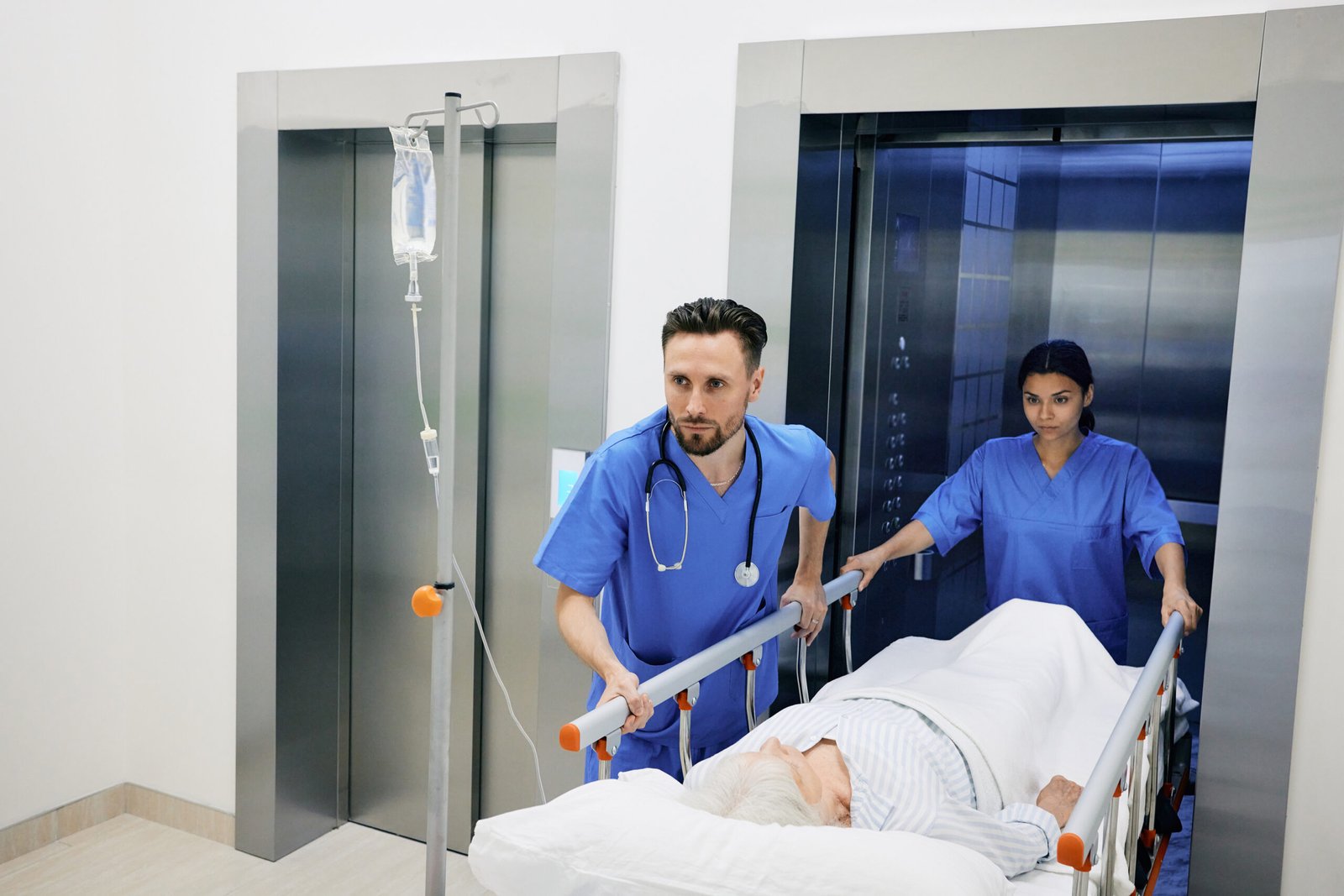
Hospital Elevators
Clear entrance width, car dimensions, leveling performance and operational priorities need particular attention.
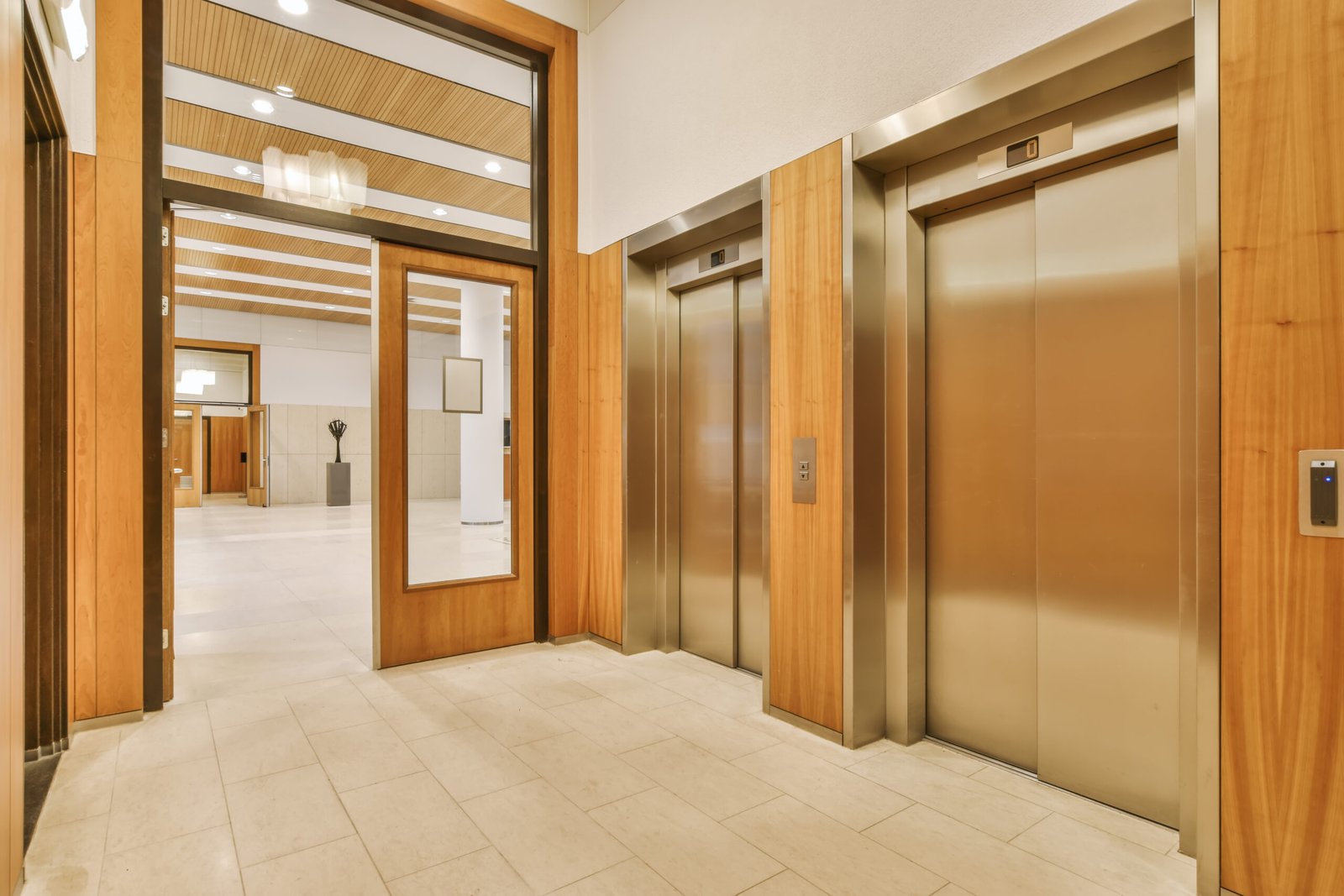
Home Elevators
Available shaft space, pit, overhead, architectural integration and low-rise use can drive the selection.
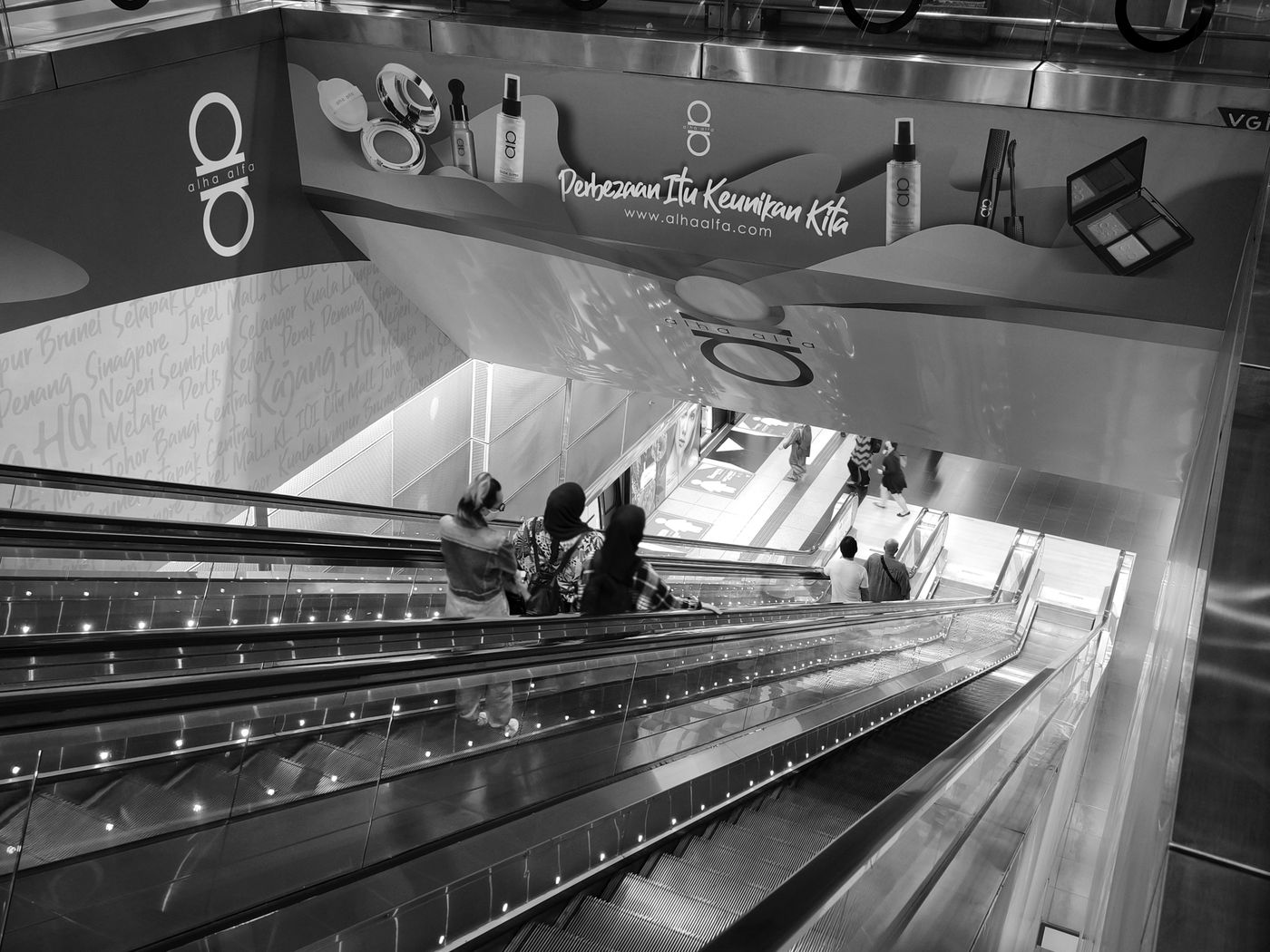
Escalators & Moving Walks
Vertical rise, inclination, traffic volume, step or pallet width and operating environment define the equipment.
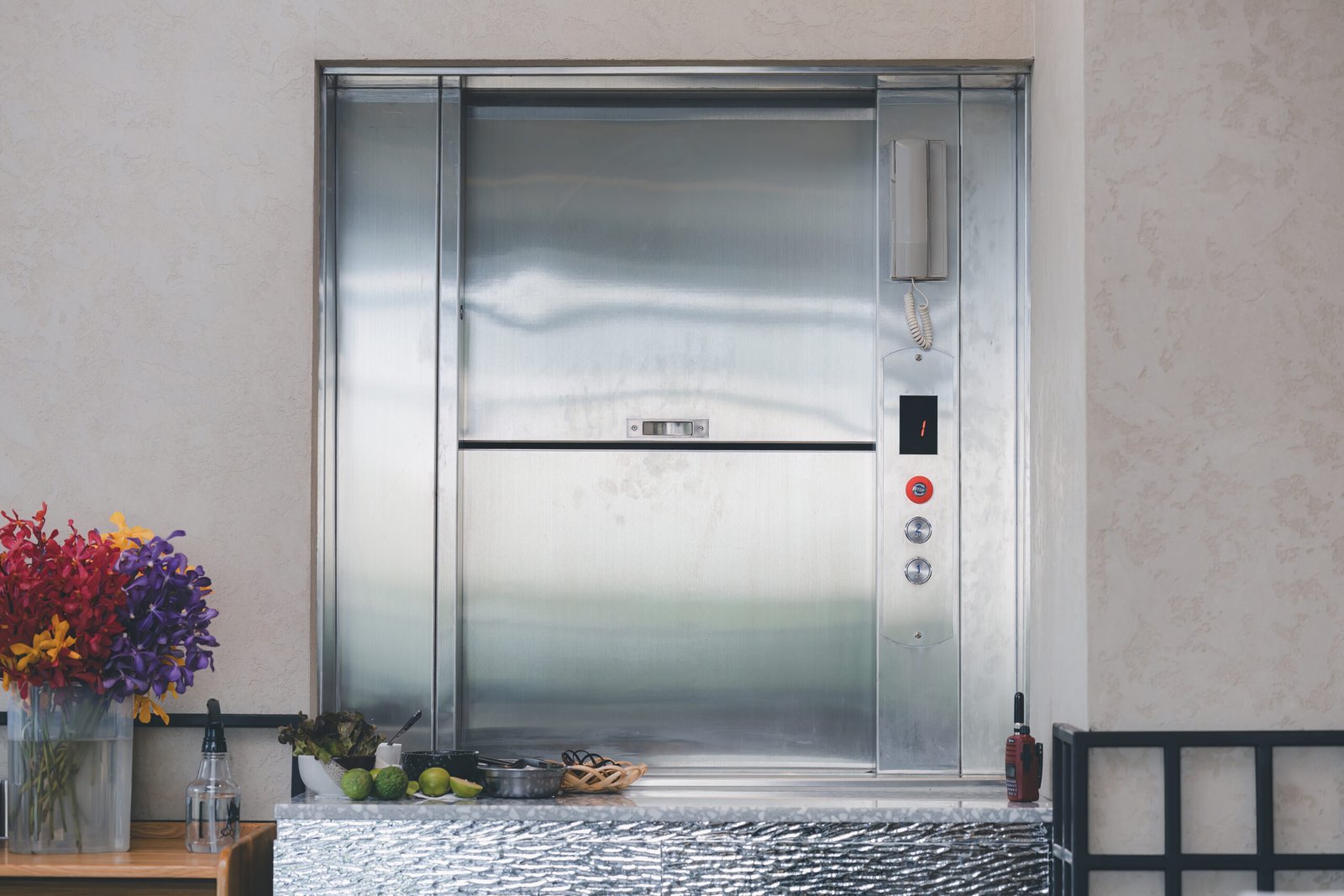
Specialized Equipment
Service lifts and other specialist units often sit outside a passenger-only product platform.
04 · Built on Manufacturing Experience
Understanding the Product Before Comparing the Options
JAFITA’s multi-brand capability is not based only on commercial sourcing. Our business developed from freight elevator production and OEM manufacturing.
That background gives us practical experience in:
- Car and car-frame structures
- Door systems
- Loading conditions
- Drive configurations
- Control-system coordination
- Component integration
- Manufacturing processes
- Quality requirements
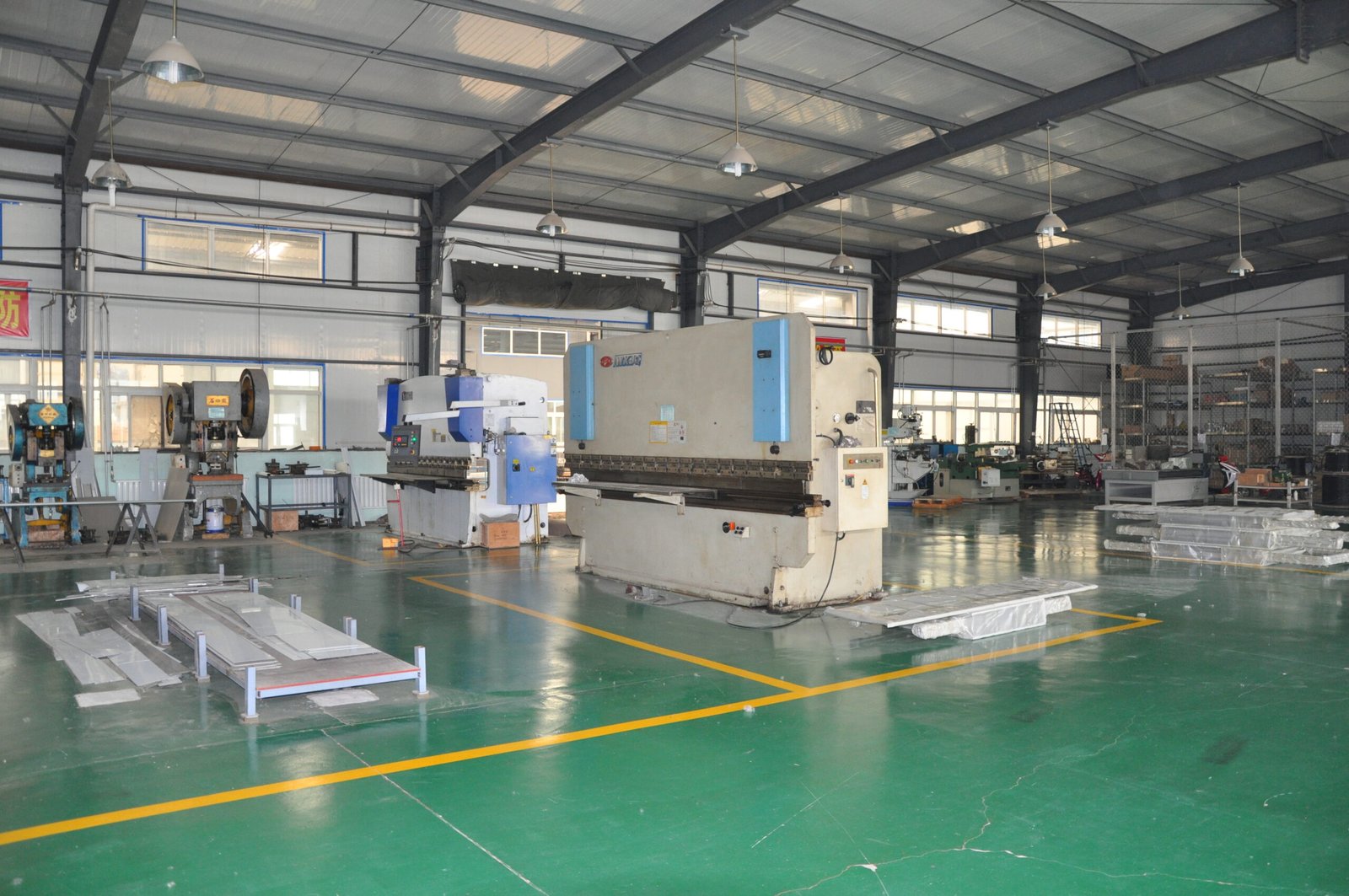
The company materials identify freight elevator production as a core strength and record OEM services for multiple elevator brands. This manufacturing perspective helps us evaluate product options beyond appearance, catalog presentation or brand recognition.
05 · Industry Relationships Developed Over Time
A Broader Supply Network Built Through Cooperation
Long-term OEM projects and industry cooperation gradually expanded JAFITA’s access to different elevator manufacturers and technologies. For customers, the value is not simply access to more names. The value is having more suitable options available when the project requires them.
06 · How We Compare Product Options
Technical Fit Comes First
When several product or manufacturing routes may be available, we compare them according to the project. The purpose of comparison is to narrow the options — not to overwhelm customers with multiple catalogs.
- 01
Application Fit
Is the equipment suitable for the building type and intended use?
- 02
Performance Fit
Can the required rated load, speed, travel, stops and traffic conditions be met?
- 03
Hoistway Fit
Does the configuration work with the available shaft, pit, overhead and entrances?
- 04
Product Configuration
Are the drive, door, controller, cabin and operating functions appropriate?
- 05
Market Fit
Can the selected solution address the destination-market and project requirements that have been identified?
- 06
Commercial Fit
Does the option align with the project’s budget, quantity, customization and delivery objectives?
07 · One Project Can Use More Than One Product Strength
Coordinate Different Categories Under One Scope
Large developments often require multiple types of vertical transportation equipment. JAFITA’s broader supply model allows these requirements to be coordinated through one project team while suitable resources are selected for each category.

Passenger + Freight Elevators
Common in commercial, mixed-use and residential developments.

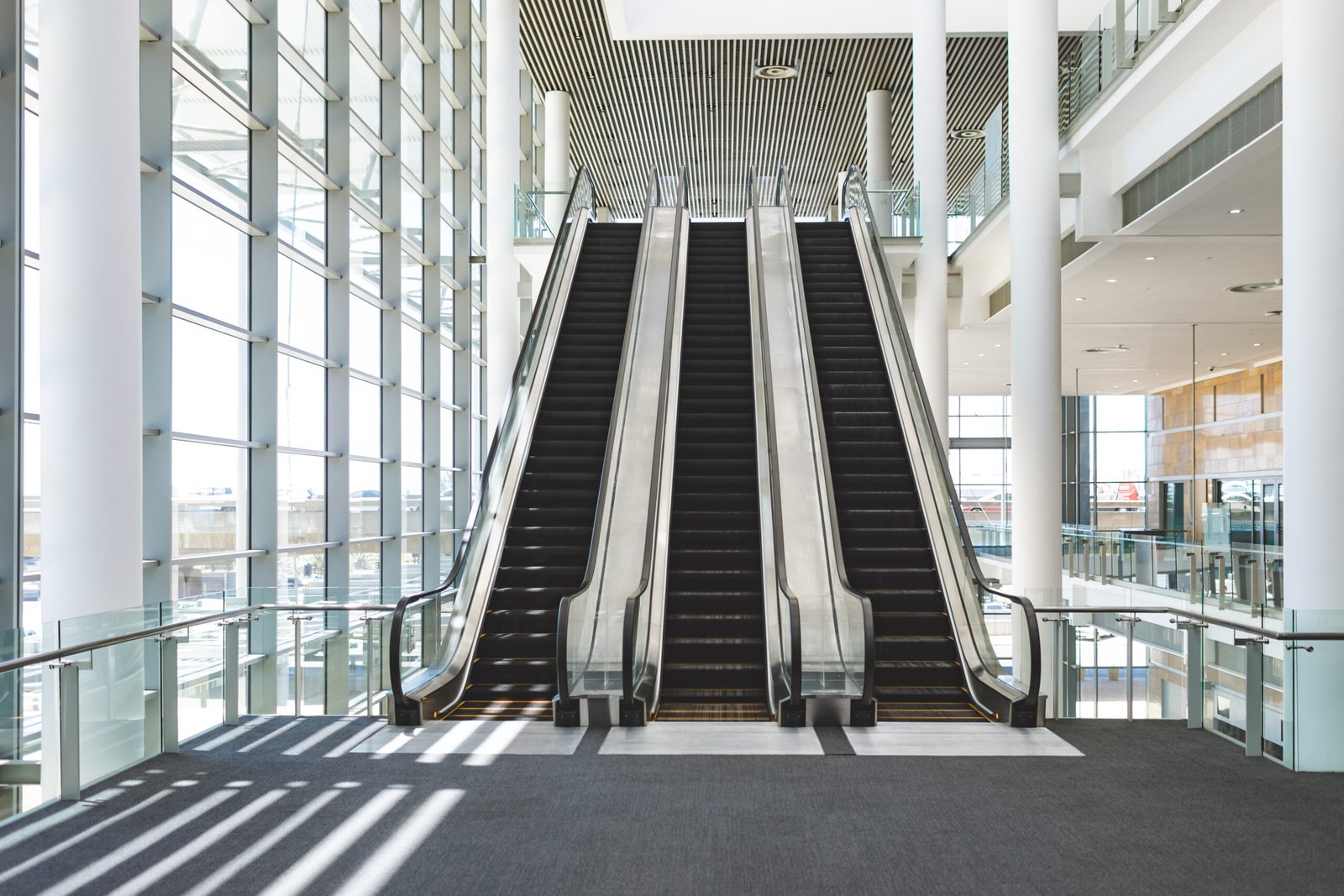
Passenger Elevators + Escalators
Often required in shopping centers, transportation facilities and public buildings.

Passenger + Hospital Elevators
For healthcare developments requiring separate passenger and bed transportation.
Guest + Service Elevators + Dumbwaiters
For hotels and hospitality projects with different operational requirements.
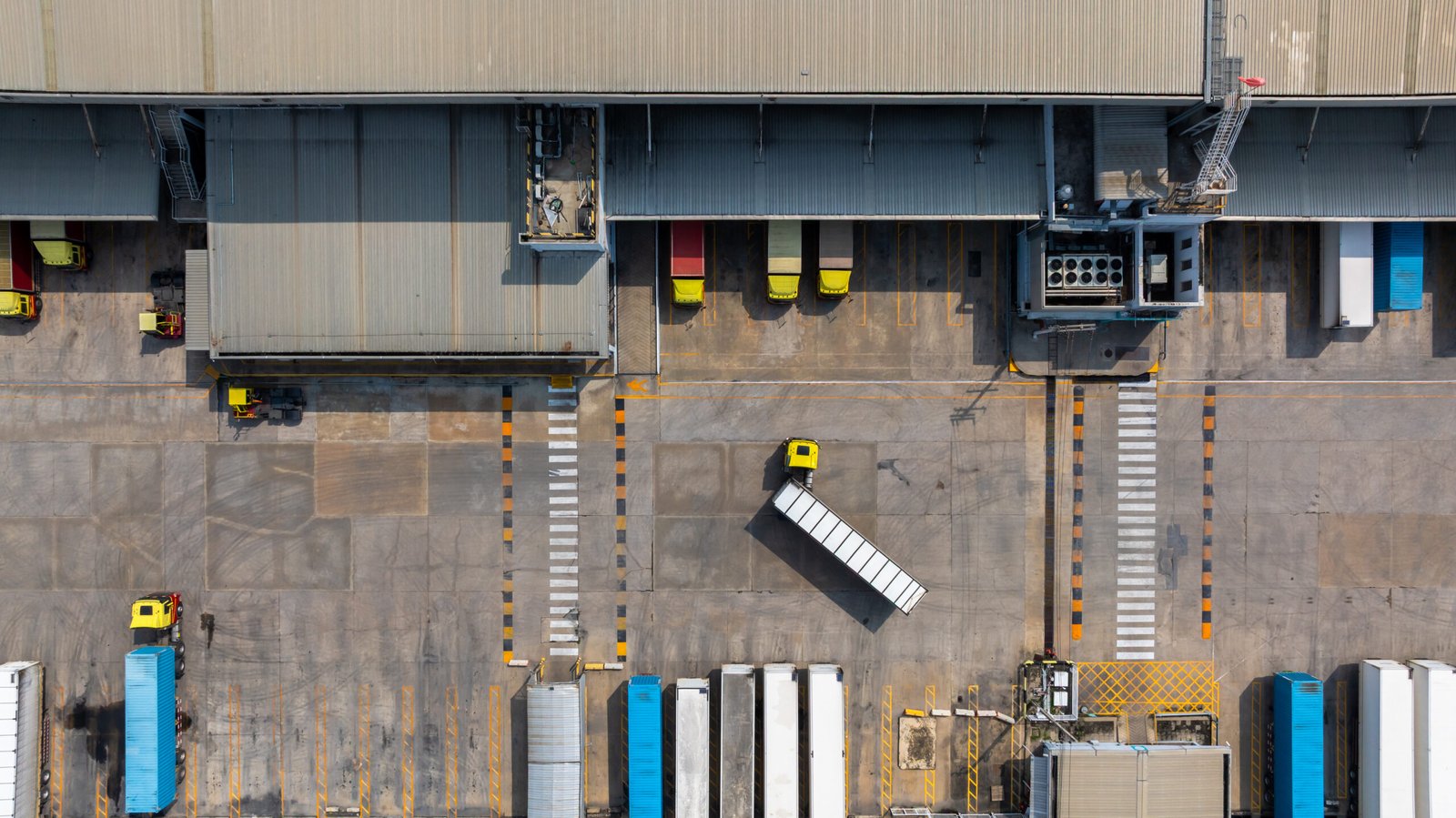
Freight + Heavy-Duty Equipment
For factories, warehouses and industrial applications.
08 · Multi-Brand Does Not Mean Uncontrolled Sourcing
One Technical Logic Should Connect the Project
Using different manufacturing resources can create problems if each product is handled independently. Specifications, drawings, electrical requirements, finishes, documentation and delivery conditions still need to be coordinated at the project level.
JAFITA therefore focuses on keeping the main project requirements clear across the selected supply scope. This may involve coordination of:
- Technical parameters
- Hoistway interfaces
- Entrance arrangements
- Electrical conditions
- Cabin finishes
- Operating fixtures
- Documentation
- Packaging and delivery
Customers gain access to broader product resources without having to manage every supplier relationship independently.

09 · Flexible Supply for Different Buyer Types
The Same Comparison Method, Different Buying Roles

Developers & Project Owners
For projects where equipment needs to be selected according to building function, technical requirements and commercial objectives.
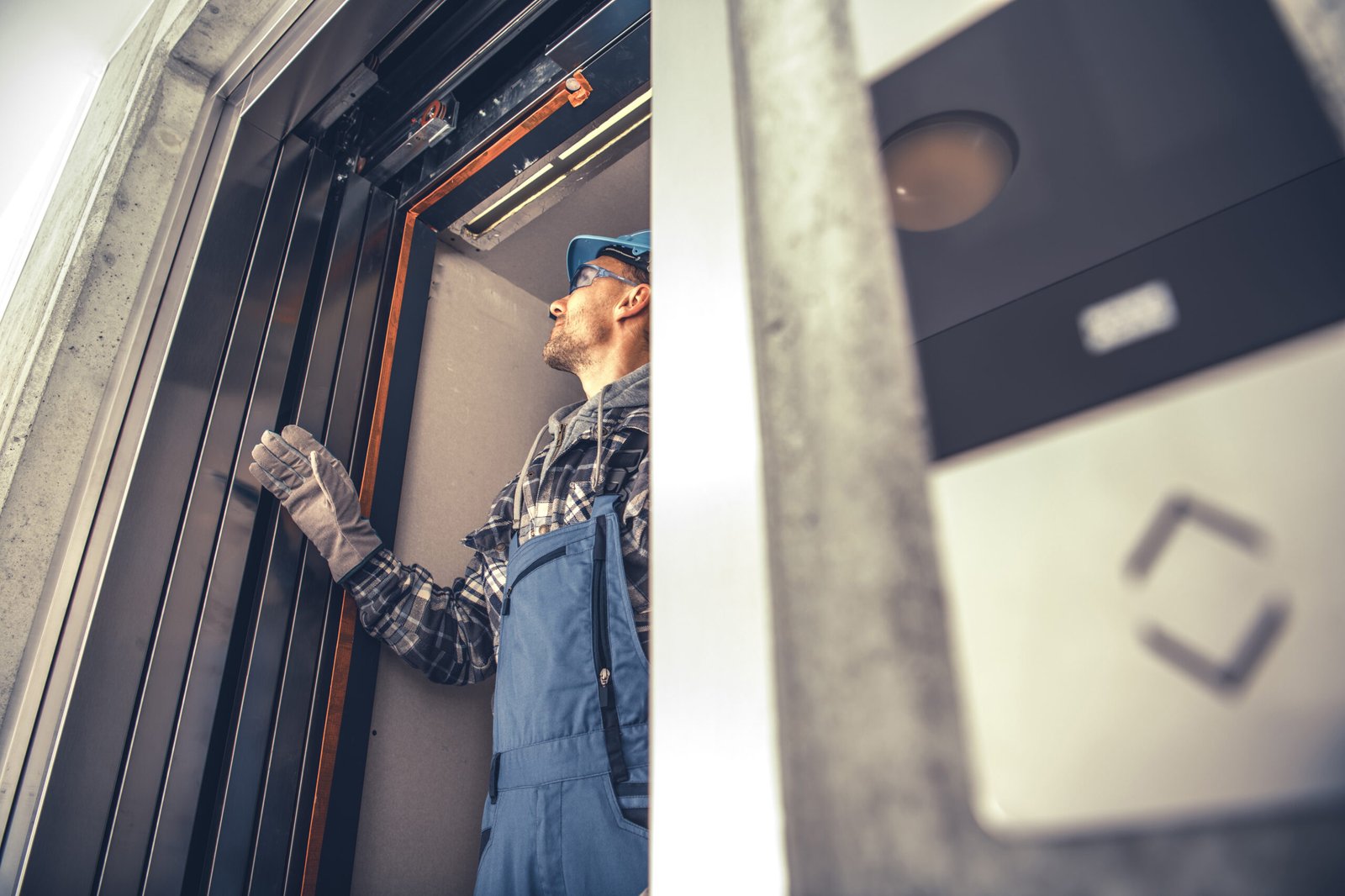
Contractors & EPC Companies
For developments involving several equipment categories and coordinated project documentation.

Elevator Companies
For complete units, specialized equipment, OEM products and components not covered by their own standard product range.

Distributors
For buyers who need different product categories or configurations to serve their regional markets.

Installation Companies
For complete systems and project-specific equipment that must match local site conditions.
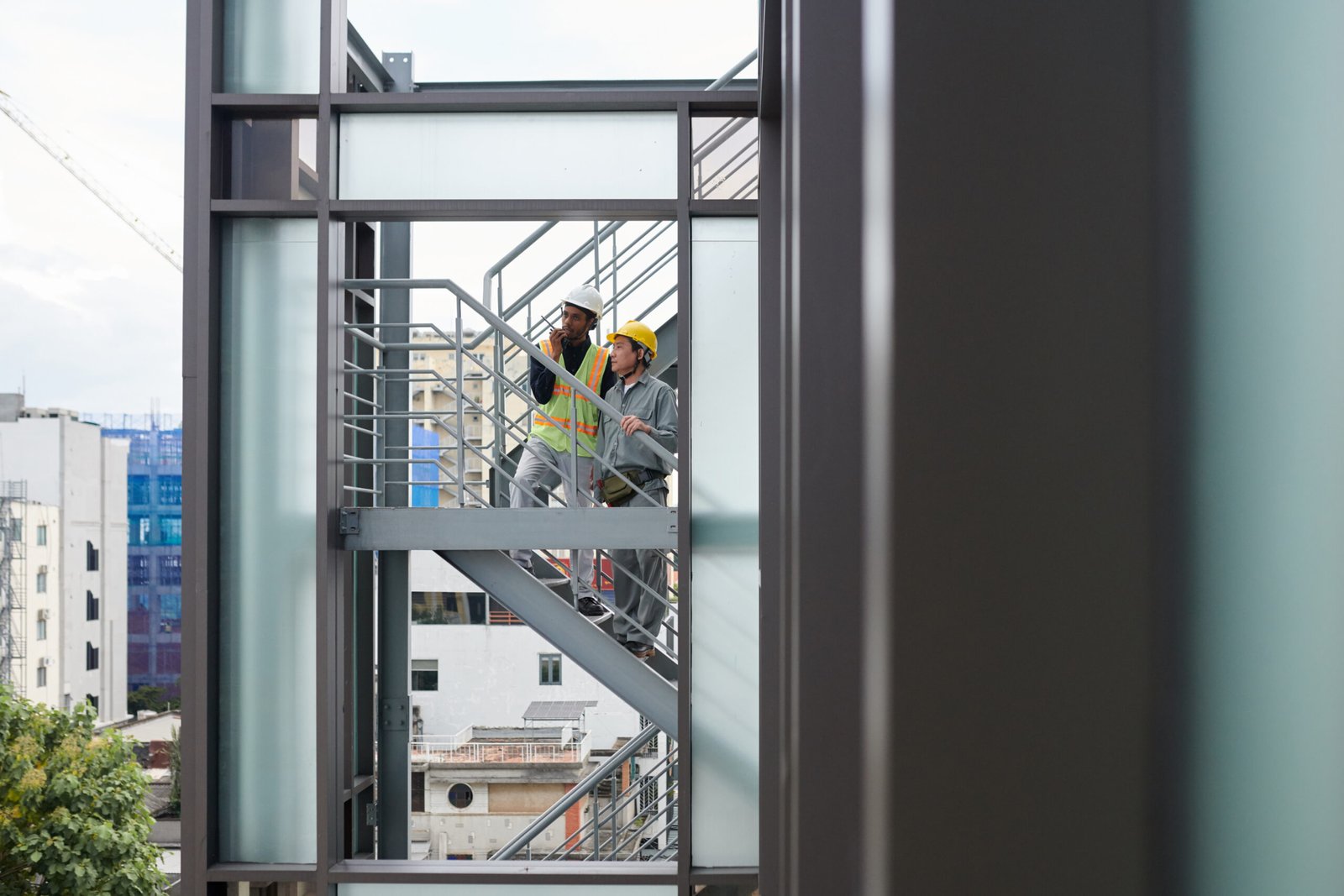
Shared Comparison Process
The filters stay the same — application, performance, hoistway, market and commercial fit — whoever places the enquiry.
10 · Multi-Brand Solutions for International Projects
Destination Market Matters
A technically suitable elevator for one project may not automatically be suitable for another country. JAFITA began developing its export business in 2008 and has since built a professional international team familiar with different market requirements.

- Destination country
- Required technical standards
- Voltage and frequency
- Product configuration
- Language requirements
- Technical documentation
- Certification scope
- Packaging and shipping
11 · Multi-Brand Component Supply
Compatibility Matters More Than the Logo
The same principle also applies to elevator components. A project may require a specific traction machine, controller, door operator, inverter or safety component because of technical compatibility — not simply because of brand preference.
For component enquiries, we review available information such as:
- Original manufacturer
- Model and part number
- Voltage and electrical rating
- Dimensions
- Communication interface
- Connector arrangement
- Equipment series
Match components by specification — not by appearance. Where alternatives are available, technical compatibility and project requirements should be confirmed before substitution.
12 · When Is a Multi-Brand Solution Most Useful?
Six Situations Where Broader Resources Help the Decision
Several Elevator Categories
Different applications can be matched with more appropriate specialist resources.

Flexible Existing Specification
Customers can compare more than one technical or commercial route.

Customized Equipment
Different manufacturing capabilities can be evaluated according to the specific requirement.

Units and Components Together
Equipment and supporting parts can be coordinated within the same supply relationship.

A Broader Distributor Portfolio
Different product categories can be discussed without relying on one fixed factory platform.

Specific Overseas Requirements
Product selection can take destination-market conditions into account from the beginning.
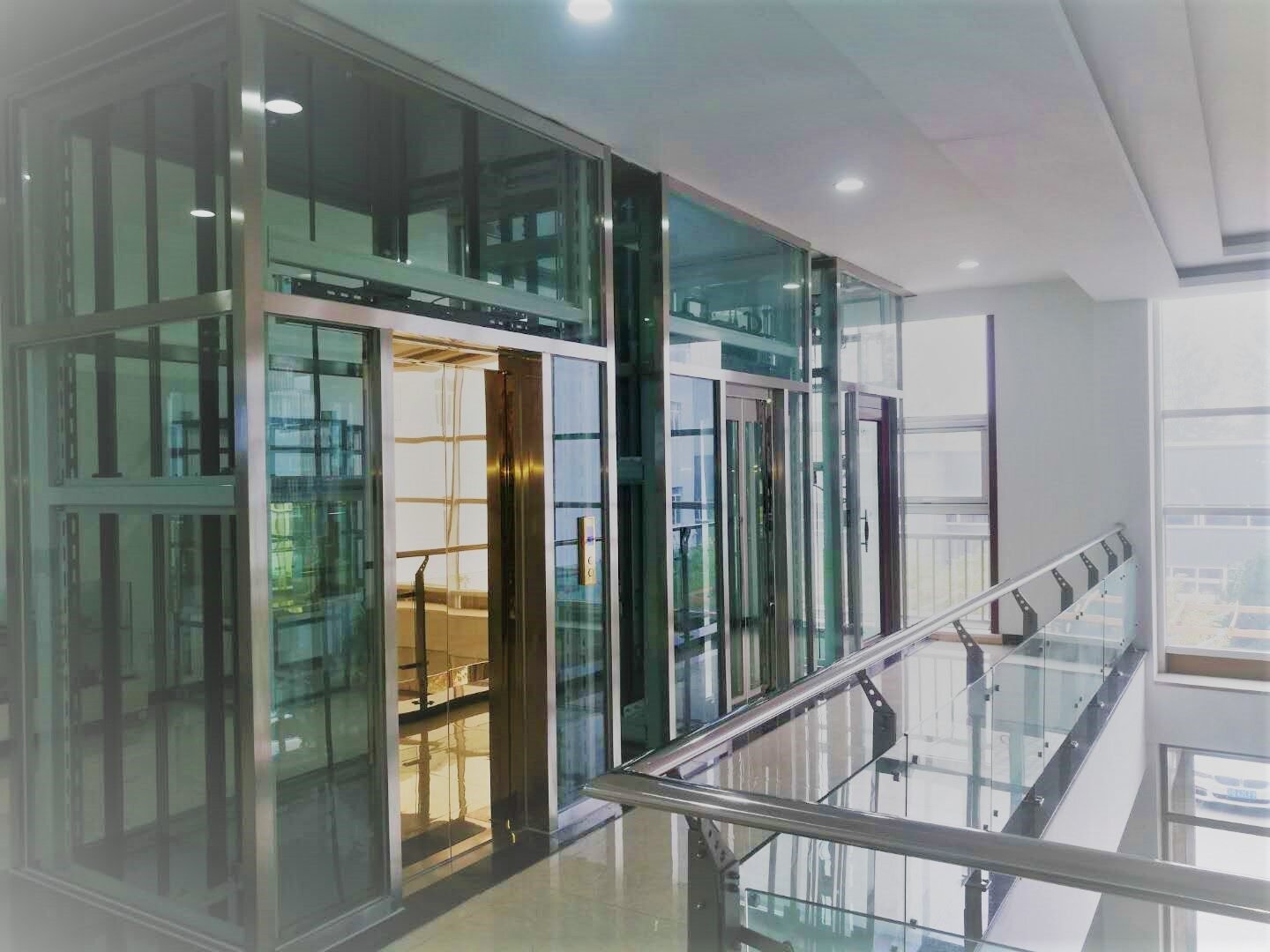
We do not recommend a product only because it is available
13 · What We Do Not Do
A Broad Network Should Not Mean Unnecessary Choices
Our role is to reduce uncertainty. That means we do not treat every available product as equally suitable. Instead, we ask:
- Does it fit the shaft?
- Does it meet the required performance?
- Is it suitable for the intended application?
- Can the technical documentation be coordinated?
- Does it make commercial sense for the project?
Only options that can answer these questions should move forward in the selection process.
14 · From More Options to One Clear Proposal
Tell Us What the Project Requires
A multi-brand strategy is useful only when it leads to a clearer decision. Our goal is not to sell the largest number of brands. It is to help the customer reach a more suitable equipment decision.
If you already have a specification, send it for review. If the project is still early, start with project country, building type, elevator type, quantity, rated load, rated speed, and floors or stops.