
Parts & modernization · Buyer guide 02
Elevator Suspension Ropes vs. Belts: Differences and Replacement Considerations
Editorial update, October 9, 2026: additional replacement-scope decision guidance, technical evidence requirements and procurement checklist. This article does not certify compatibility, approve a replacement or substitute for qualified engineering review.
Record the original suspension system.
Verify sheaves, terminations and monitoring.
Separate replacement from modernization.
In this guide
For a building owner, the useful question is not simply whether ropes or belts are “better.” It is whether the existing system should receive a documented replacement or whether the project requires a broader modernization package.
This comparison is intended for procurement and maintenance planning. Work on suspension equipment, inspection decisions and return-to-service approval belong to qualified elevator personnel using the equipment documentation and applicable requirements.
What is being compared?
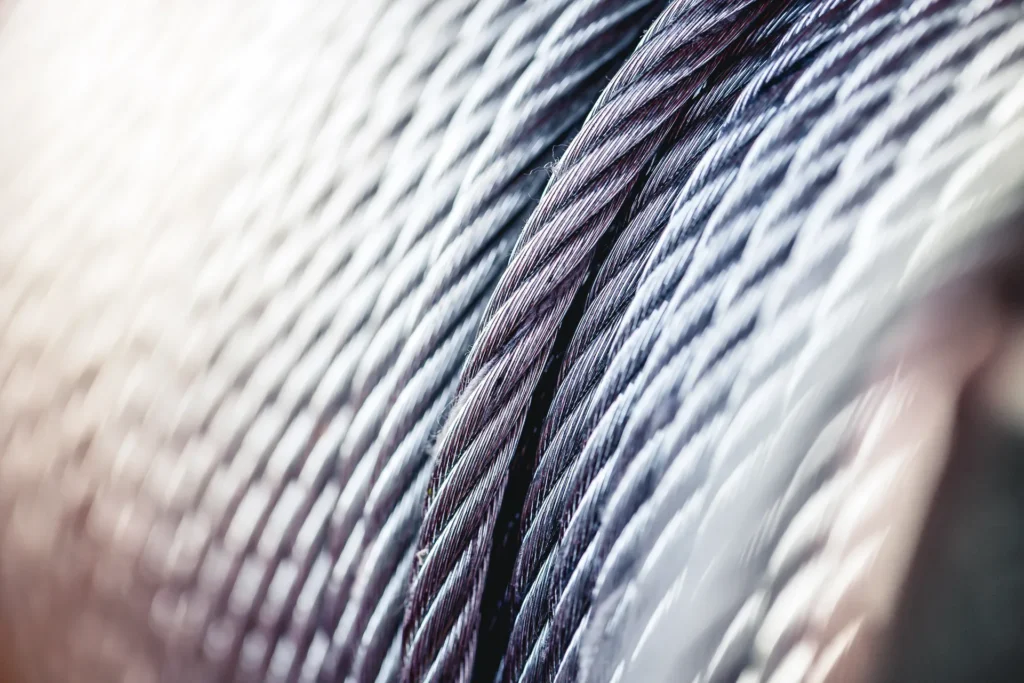
Conventional elevator wire ropes use a round arrangement of steel wires and strands. Their identity includes construction, diameter and other properties that are not apparent from a photograph alone.
Coated steel belts use steel load-bearing elements within a coated, noncircular member. The belt, traction surface, terminations and any required monitoring arrangement belong to a defined equipment system. “Belt” here does not mean a generic industrial transmission belt.
ASME’s A17.6 standard description treats steel wire ropes and noncircular elastomeric-coated steel suspension members as distinct technologies. Its stated scope includes material, design, testing, inspection and replacement considerations; the standard is intended for use alongside A17.1/CSA B44. The edition applicable to a particular project must be established separately.
Ropes and belts: a buyer’s comparison
| Decision area | Steel wire rope system | Coated steel belt system | Evidence to request |
|---|---|---|---|
| Identification | Diameter plus construction, manufacturer and original specification | Exact belt identification, section and approved system application | Original equipment and suspension records |
| Traction interface | Rope and sheave-groove relationship | Belt and matching traction surface or pulley arrangement | Machine and sheave documentation |
| End connections | Terminations matched to rope and hitch arrangement | Terminations matched to the specified belt system | Approved assembly identification |
| Inspection | Product-specific examination and discard criteria | Product-specific examination, plus monitoring where required | Current maintenance instructions |
| Replacement proposal | Exact replacement or a documented alternative | Exact replacement or a documented system-compatible alternative | Written compatibility assessment |
| Technology change | Retaining ropes still requires verification of retained equipment | Conversion to belts may require a coordinated modernization package | Defined retained/replaced equipment schedule |
The comparison is an enquiry framework, not a statement that every manufacturer offers both options. JAFITA’s ropes, belts and suspension page identifies the information needed for sourcing; it does not establish a universal JAFITA belt product range.
Why a belt is not a direct substitute for a rope
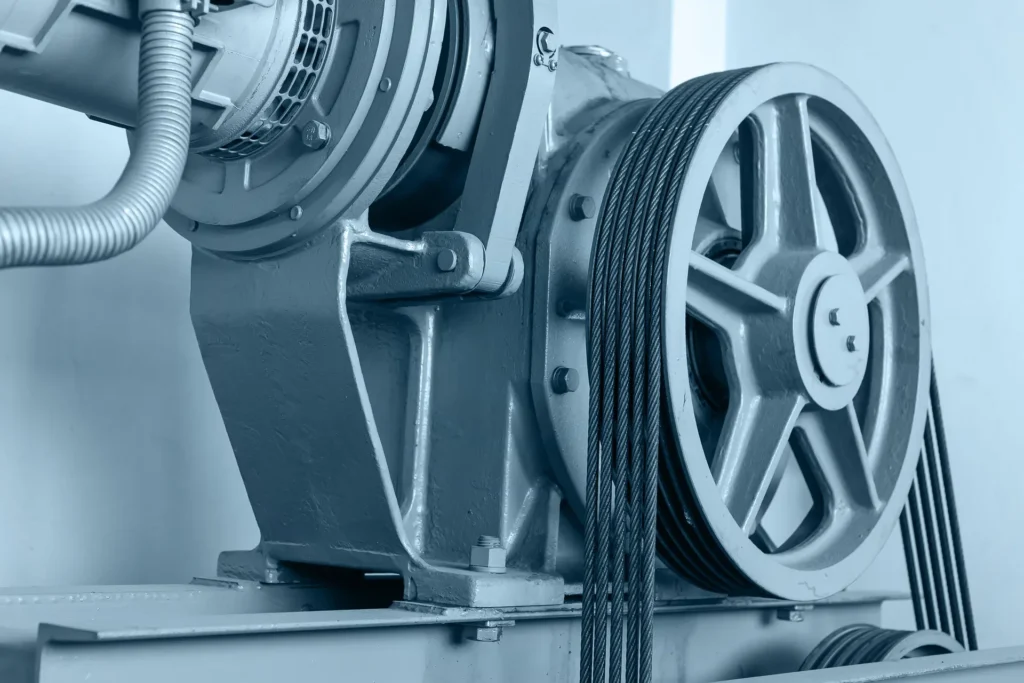
A change in suspension technology can affect more than the member carrying the load. The proposal may need to address the machine, traction surface, pulley arrangement, terminations, monitoring and connections to the car and counterweight.
A useful manufacturer example is Otis’s 2026 Gen3 modernization announcement. It describes transition from traditional ropes to its coated steel belts within modernization solutions. The listed package includes related equipment such as a gearless machine, monitoring and car/counterweight interfaces. This illustrates a coordinated package, not permission to fit an unrelated belt to an existing rope elevator.
For your project, ask the supplier to name every retained component and state how compatibility will be demonstrated. A quotation that only lists the new belts leaves the engineering scope unclear.
A matching rope diameter is not enough
Even a rope-to-rope replacement needs more information than diameter and length. The original rope specification, sheave relationship, terminations and elevator application must be identified.
Sheave condition deserves explicit attention. PFEIFER DRAKO’s technical information on elevator ropes explains that groove geometry and wear affect traction and rope life, and that worn or unsuitable grooves can shorten the life of replacement ropes. Its discussion supports including the sheave assessment in a rope-replacement enquiry rather than treating it as unrelated work.
Ask the maintenance contractor to attach its assessment to the procurement record. A new suspension set does not, by itself, resolve an incompatible or deteriorated interface.
Inspection and monitoring are system-specific
Do not assume that the visible surface tells the whole story for every suspension technology. For example, Otis describes electronic monitoring of coated steel belts within its Gen2 modernization system. That is an identified manufacturer’s arrangement, not a universal feature of all belts.
Record the monitoring device and its relationship to the existing system, where present. Ask which inspections, equipment and documentation apply after replacement. A monitoring feature should not be interpreted as eliminating the rest of the prescribed maintenance programme.
Similarly, do not adopt a universal replacement interval from an article or sales brochure. Inspection criteria, condition and equipment instructions must determine the decision. The appropriate response to a reported fault is a qualified assessment, not an attempt to clear it through a purchasing substitution.
Build a retained-equipment schedule
Use one row for each interface before seeking a modernization price.
| Equipment or record | Current identification | Retain or replace? | Required confirmation |
|---|---|---|---|
| Suspension ropes or belts | Manufacturer, type, count and installed arrangement | Record proposal | Exact approved replacement |
| Traction machine and sheave | Models, drawings and condition report | Record proposal | Compatibility with proposed suspension |
| Deflection pulleys or sheaves | Arrangement and available records | Record proposal | Suitability within the new configuration |
| Car and counterweight terminations | Models, hitch details and drawings | Record proposal | Approved connection arrangement |
| Suspension monitoring, if fitted | Device model and system information | Record proposal | Required monitoring and integration |
| Elevator technical file | Load, speed, travel and configuration | Update as necessary | Final approved equipment record |
A blank row is an unresolved question. It should not silently become an installation contractor’s responsibility after materials arrive.
Example: two proposals with different scope
Suppose an owner receives one quotation for replacement ropes and another for a belt-based modernization. The first retains the existing machine, subject to assessment. The second changes the machine, suspension members and related interfaces.
These are different projects. Compare them against the same operational objective: restoring the current system, resolving obsolescence or achieving a defined modernization outcome. Then compare scope, verification, downtime, documentation and future support. The price per metre of suspension material cannot make that decision.
What to send with a replacement enquiry
Ask qualified site personnel to compile the records and photographs safely; a buyer should not enter the hoistway to collect missing information.
If identification is incomplete, describe the missing evidence and request help establishing the specification. Do not convert an uncertain identification into an order for a visually similar item.
Frequently asked questions
Do elevator belts always last longer than ropes?
No universal service-life comparison can be applied to every installation. Compare documented performance for the proposed system and duty. A claim about one manufacturer’s package is not a general replacement schedule.
Can a belt replace steel wire ropes on an existing elevator?
Only through a suitable, engineered and approved configuration. Establish the complete scope of changes and retained interfaces before treating conversion as feasible.
Can only one damaged rope or belt be replaced?
Do not assume an individual-member replacement is acceptable. The qualified contractor must determine the replacement scope under the applicable equipment instructions and requirements, including compatibility within the installed set.
Does a matching belt width establish compatibility?
No. Exact product identity and compatibility with the traction system, terminations and any required monitoring still need confirmation.
Turn the comparison into a documented enquiry
For component sourcing, start with JAFITA’s suspension-system information and provide the completed equipment record. If several major interfaces need to change, review the elevator modernization route and request a project assessment. Keep the proposed supply scope tied to the actual elevator configuration.
Send your project requirements