
JAFITA / ELEVATOR CONFIGURATION
MRL vs. Machine-Room Elevators: Shaft Size, Speed, Cost and Selection Guide
Quick answer: Choose a machine-room-less (MRL) elevator for low- and mid-rise buildings up to about 1.75 m/s and 40–75 m of travel. Choose a machine-room (MR) elevator for taller, faster buildings, up to about 2.5 m/s and 135 m of travel, or where a usable machine room already exists.
The equipment price is similar for both. The real cost difference is the machine room you do or do not have to build.
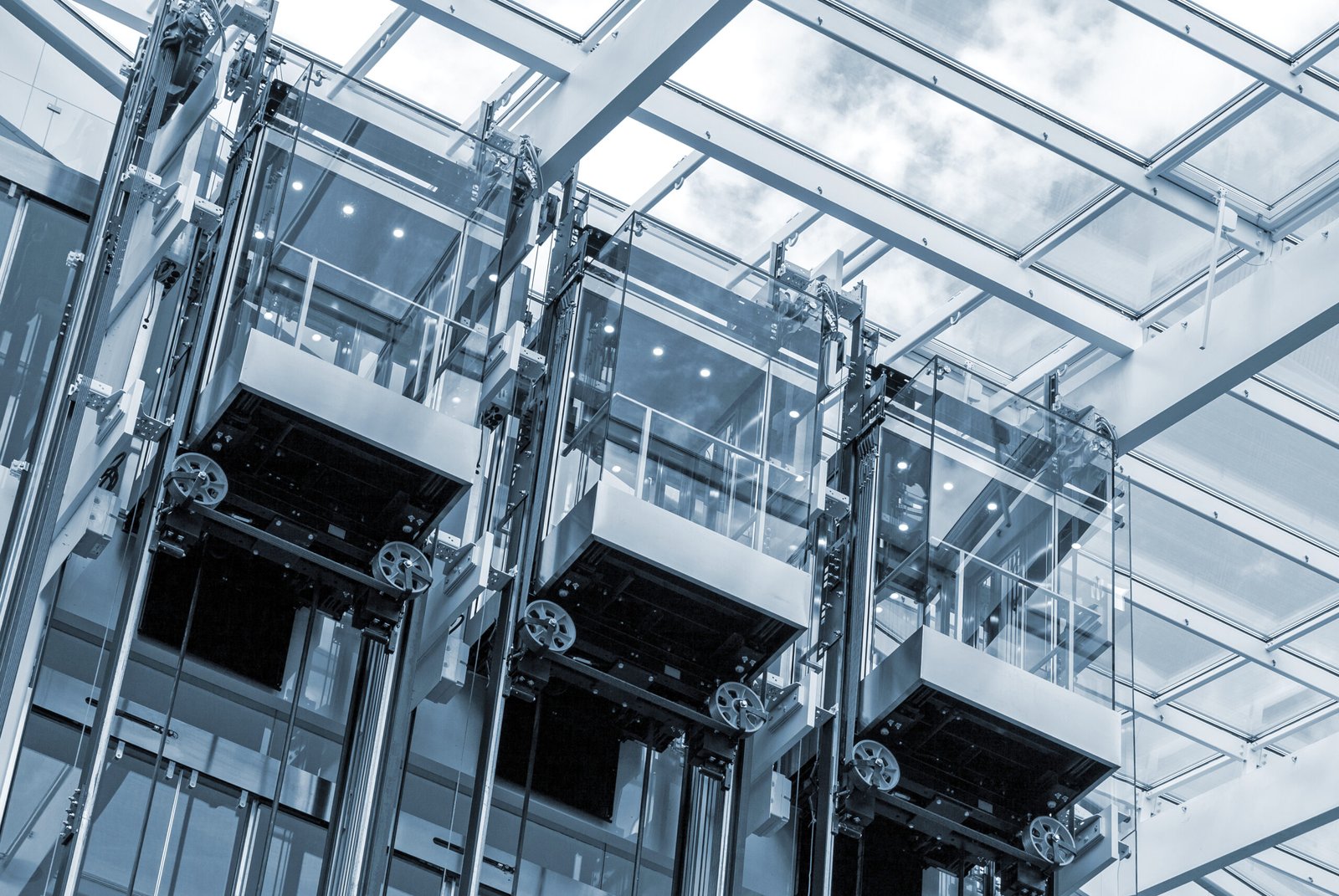
| MRL (benchmark configuration) | Machine room (benchmark configuration) | |
|---|---|---|
| Machine location | Inside the shaft | Separate room above the shaft |
| Speed | 1.0 – 1.75 m/s | 1.0 – 2.5 m/s |
| Max travel / floors | 40 m / 21 floors at 1.0 m/s; 75 m / 24 floors at 1.6–1.75 m/s | Up to 135 m / 48 floors |
| Load range | 320 – 1,150 kg | 630 – 1,150 kg |
| Shaft for 630 kg (car 1,100 × 1,400 mm) | 1,570 × 1,750 mm | 1,750 × 1,850 mm |
| Pit at 1.0 m/s | 1,100 mm | 1,150 mm |
| Machine room | None | Required |
| Listed price from China (equipment) | US$6,569 – 14,400 | US$6,000 – 16,000 |
1. What Is the Difference?
MRL (machine-room-less): The gearless machine sits inside the hoistway, usually on the guide rails at the top of the shaft. The controller sits in a landing cabinet or door frame.
Machine-room (MR): The machine and controller sit in a dedicated room, normally directly above the shaft.
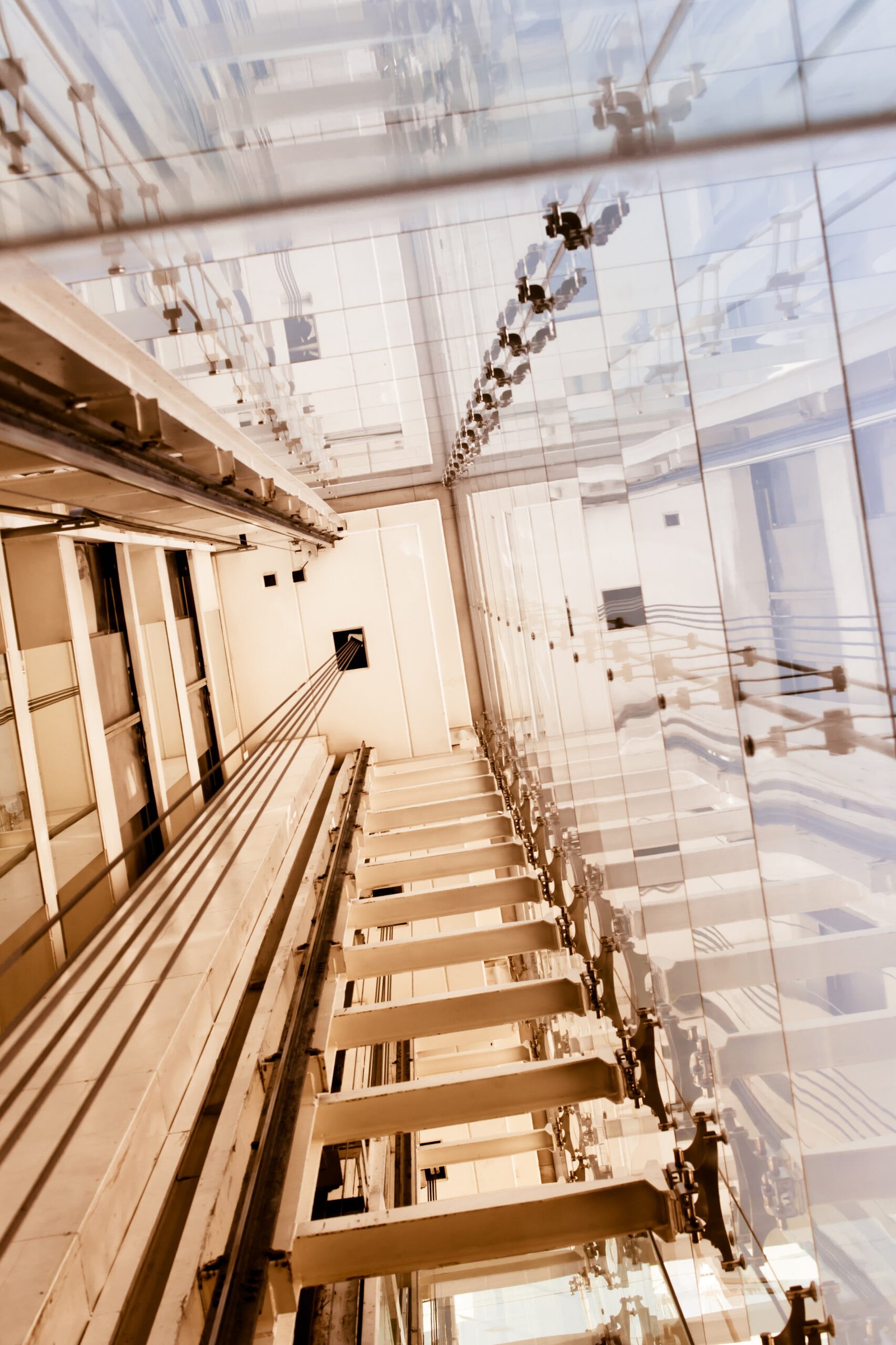
Both are traction elevators. Neither is automatically more reliable or more efficient. Speed, travel and building layout decide which fits.
2. When Does MRL Make Sense — and When Does It Not?
| Project | Better fit | Why |
|---|---|---|
| Apartments, hotels, offices up to about 20 floors | MRL | No rooftop machine room; fits within 1.0–1.75 m/s and 40–75 m travel |
| Building with a roof height limit or heritage roofline | MRL | No structure above the roof |
| High-rise over about 75 m travel | Machine room | MRL ranges stop at 75 m; MR goes to 135 m |
| Speed above 1.75 m/s | Machine room | MR goes up to 2.5 m/s in this comparison |
| Existing building with a sound machine room | Machine room (modernization) | Re-uses the room and structure |
| Hard-to-service location | Check both | MRL service is done from the shaft top and landing cabinet |
Industry practice puts MRL as the default for low- and mid-rise buildings, typically up to around 20 floors.
3. Shaft Size: MRL vs Machine Room
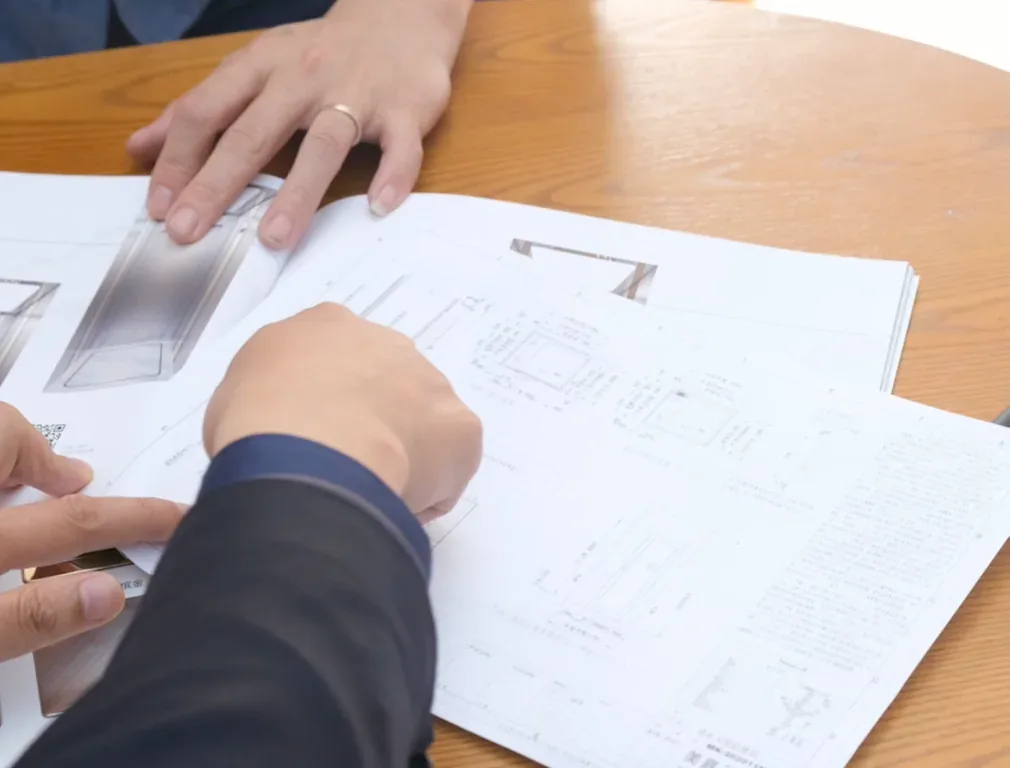
Same car, side-opening 800 mm door (630 kg, 8 persons)
| Car size | Shaft (W × D) | Shaft area | |
|---|---|---|---|
| MRL — benchmark configuration | 1,100 × 1,400 mm | 1,570 × 1,750 mm | 2.75 m² |
| Machine room — benchmark configuration | 1,100 × 1,400 mm | 1,750 × 1,850 mm | 3.24 m² |
In this comparison, the MRL shaft is about 15% smaller, and there is no machine room on top.
1,000 kg (13 persons)
| Car size | Door | Shaft (W × D) | |
|---|---|---|---|
| MRL — benchmark configuration | 1,100 × 2,100 mm (stretcher depth) | 900 mm | 1,600 × 2,435 mm |
| MRL — benchmark configuration | 1,400 × 1,600 mm | 900 mm | 1,900 × 1,950 mm |
| Machine room — benchmark configuration | 1,600 × 1,400 mm | 900 mm | 2,200 × 1,850 mm |
Shaft sizes include ±25 mm tolerance.
4. Pit and Headroom
| MRL (benchmark configuration) | Machine room (benchmark configuration) | |
|---|---|---|
| Pit at 1.0 m/s | 1,100 mm (1,400 mm with counterweight safety gear) | 1,150 mm |
| Pit at 1.6–1.75 m/s | 1,200 mm | about 1,250–1,300 mm |
| Headroom at 1.0 m/s | Car height + 1,220 to 1,380 mm | — |
| Overhead at 1.75 m/s, 2,400 mm car | Car height + 1,420 to 1,580 mm | 4,100 mm (1,000 kg) |
| Reduced pit/headroom option | Yes, under EN 81-21 (pit from 650 mm, headroom from car height + 500 mm) | Project-specific |
Worked example: For a 2,100 mm car at 1.0 m/s, the MRL needs about 3,320–3,480 mm of headroom. A machine-room elevator needs a similar shaft top plus the machine room above it.
EN 81-21 reduced dimensions can help existing buildings, but some countries require prior approval. Check before you design around them.
5. Cost: Is MRL Cheaper?
Equipment price from China is about the same. Indicative equipment asking prices recorded 19 October 2026:
| Listing | Type | Listed price (US$) |
|---|---|---|
| Machine-roomless passenger elevator, gearless motor | MRL | 6,569 – 14,400 |
| VVVF machine-room residential passenger elevator | Machine room | 6,000 – 9,000 |
| 450–1,600 kg, 1–2.5 m/s passenger elevator | Machine room | 10,000 – 15,000 |
| High-speed 5 m/s passenger elevator with machine room | Machine room | 9,000 – 16,000 |
Where MRL saves money is in the building:
- No machine room to design, build, ventilate, light and give access to.
- No rooftop structure, which can matter for height limits and waterproofing.
- Lettable space: a room that is not needed can be used for something else.
Where MRL can cost more:
- Service: technicians work at the top of the shaft and from a landing cabinet, which some local contractors are less used to.
- Replacement access: plan how the machine will be removed in 20–25 years.
6. Energy Use
Both modern MRL and machine-room elevators typically use gearless permanent-magnet machines with variable-frequency drives. Energy depends on the machine, drive, standby mode and traffic — not on where the machine sits.
Ask both suppliers for an energy figure measured or calculated to ISO 25745 under the same traffic assumptions.
7. Worked Example: 8-Stop Commercial Building
| Input | Value |
|---|---|
| Stops | 8 |
| Travel | about 24 m |
| Load | 1,000 kg |
| Speed needed | 1.0 m/s |
| Machine room in design | No |
Check against the ranges: 24 m of travel is within MRL’s 40 m limit at 1.0 m/s, and 8 stops is within the 21-floor limit. So MRL is the natural first choice.
Next, confirm the shaft: for a 1,400 × 1,600 mm car the benchmark is 1,900 × 1,950 mm, with a 1,100 mm pit and about 3,320–3,480 mm headroom for a 2,100 mm car.
If the building were 30 floors at 2.0 m/s, a machine-room elevator would be the starting point instead.
8. Maintenance and Emergency Rescue
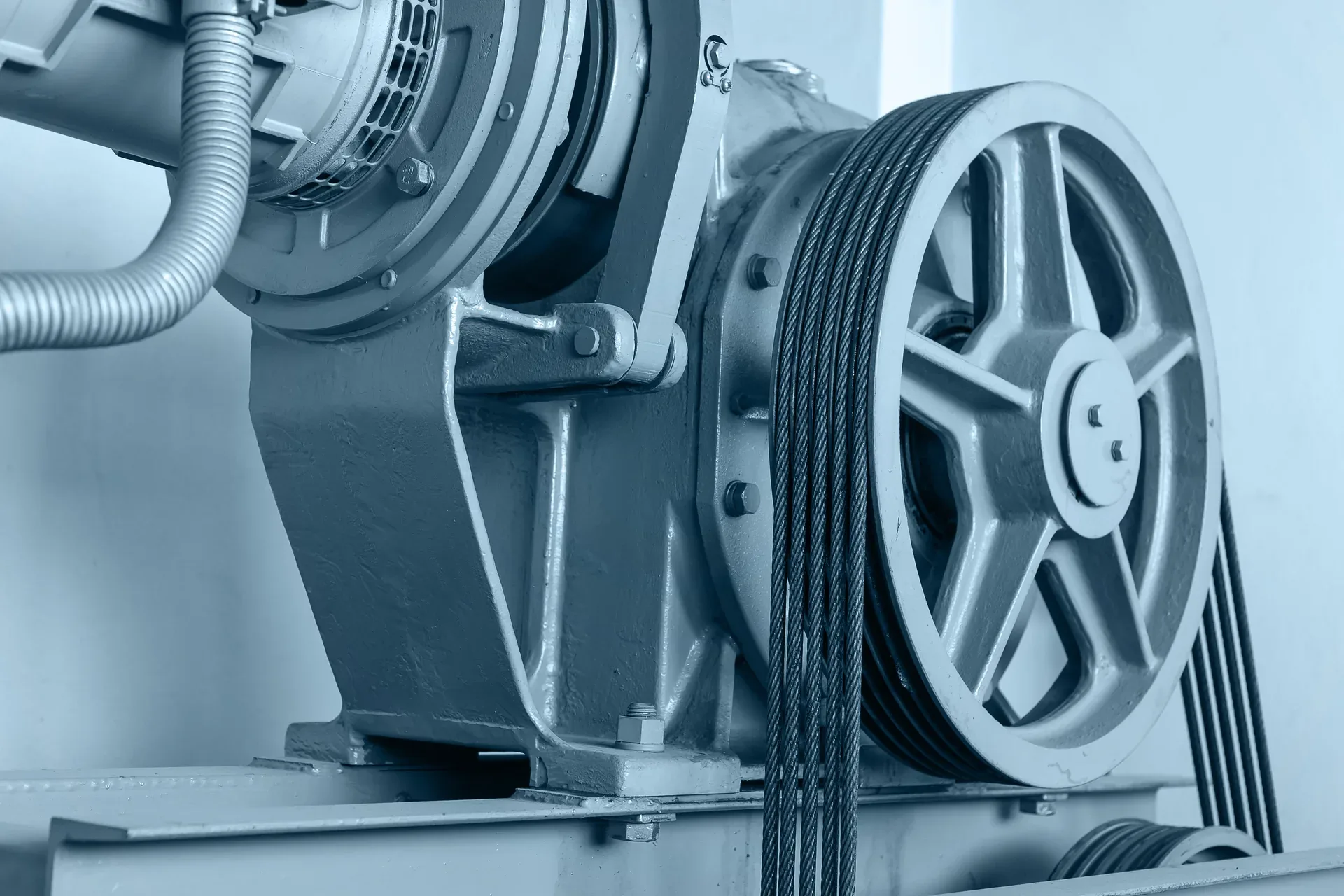
| Question to ask | Why it matters |
|---|---|
| Where are the machine, brake and controller? | Determines technician access |
| How is a trapped passenger rescued during a power cut? | MRL usually uses a battery-powered or manual brake release at the landing cabinet |
| What tools, software or passwords are needed for service? | Avoid being locked to one service company |
| How is the machine replaced in future? | Plan lifting points and access now |
| Who will maintain the elevator locally? | Confirm before ordering |
9. Safety Standards
| Market | Main reference |
|---|---|
| International / EU | ISO 8100-1 and -2 (2026); EN 81-20/50 for new lifts; EN 81-21 for reduced pit and headroom in existing buildings |
| North America | ASME A17.1/CSA B44 |
| China | GB/T 7588 |
10. Elevator RFQ: What to Send
Five details start a quotation:
- Country and building type
- Number of stops and travel height
- Load or number of passengers
- Shaft drawing or available dimensions (width, depth, pit, headroom)
- MRL, machine room, or “please compare both”
11. Why JAFITA?
JAFITA is the international brand of Beijing Jieteda Elevator Co., Ltd.:
- Founded: Beijing, 2001; exporting since 2008
- Licences and certificates: China Special Equipment Production License; ISO 9001, ISO 14001 and ISO 45001
- Partnerships: OEM cooperation and direct factory relationships stated in the company information
See JAFITA Passenger Elevators, Project Consulting and Elevator Modernization.
Frequently Asked Questions
Is an MRL elevator cheaper than a machine-room elevator?
The equipment price is similar: Chinese listings show about US$6,500–14,400 for MRL and US$6,000–16,000 for machine-room units. MRL usually saves building cost because no machine room is needed.
How many floors can an MRL elevator serve?
In the MRL benchmark configuration, up to 21 floors and 40 m at 1.0 m/s, or 24 floors and 75 m at 1.6–1.75 m/s.
Does an MRL elevator need less space?
Usually. For the same 1,100 × 1,400 mm car, the MRL shaft is 1,570 × 1,750 mm versus 1,750 × 1,850 mm for the machine-room model compared here — and there is no machine room.
How deep is the pit for an MRL elevator?
About 1,100 mm at 1.0 m/s (1,400 mm with counterweight safety gear) and 1,200 mm at 1.6–1.75 m/s. EN 81-21 options can reduce it to about 650 mm in existing buildings.
When should I choose a machine-room elevator?
For speeds above 1.75 m/s, travel above about 75 m, or when a sound machine room already exists.
Is an MRL elevator more energy-efficient?
Not by itself. Both types use gearless machines and VVVF drives. Compare ISO 25745 energy figures under the same traffic.
Can an existing machine-room elevator be replaced with MRL?
Yes, often, but the shaft top, pit and rescue arrangement must be checked. Keeping the machine room is sometimes simpler.
Get an MRL or Machine-Room Recommendation
Send JAFITA country, building type, stops, travel height, load and shaft drawing. We will recommend MRL or machine room, confirm pit and headroom, and quote.
Get My Elevator Recommendation on WhatsApp
WhatsApp: +86 150 1106 6254 · Email: info@jafita.cn · Export Enquiries
Technical Standards
Technical note: These dimensions are comparison benchmarks, not JAFITA model specifications. Prices are indicative market asking prices, not official JAFITA quotations. Final dimensions depend on the selected equipment and approved drawings.